Advertisement
As I rolled out the dough for noodles, the kitchen filled with the cheerful scent of fresh eggs and flour, a reminder of cozy family dinners. These Homemade Gluten Free Egg Noodles have become a staple for my weeknight meals, bringing back that familiar comfort in a gluten-free form. With just five simple ingredients, I can whip up this beloved dish in under 30 minutes, making it a quick fix for those busy evenings or a lovely way to impress friends during a shared meal. Plus, the beauty of these noodles is in their versatility; pair them with your choice of sauce or stir-fried veggies for a satisfying and wholesome dinner. Curious to discover how simple and rewarding making your own gluten-free noodles can be? Let’s dive in!
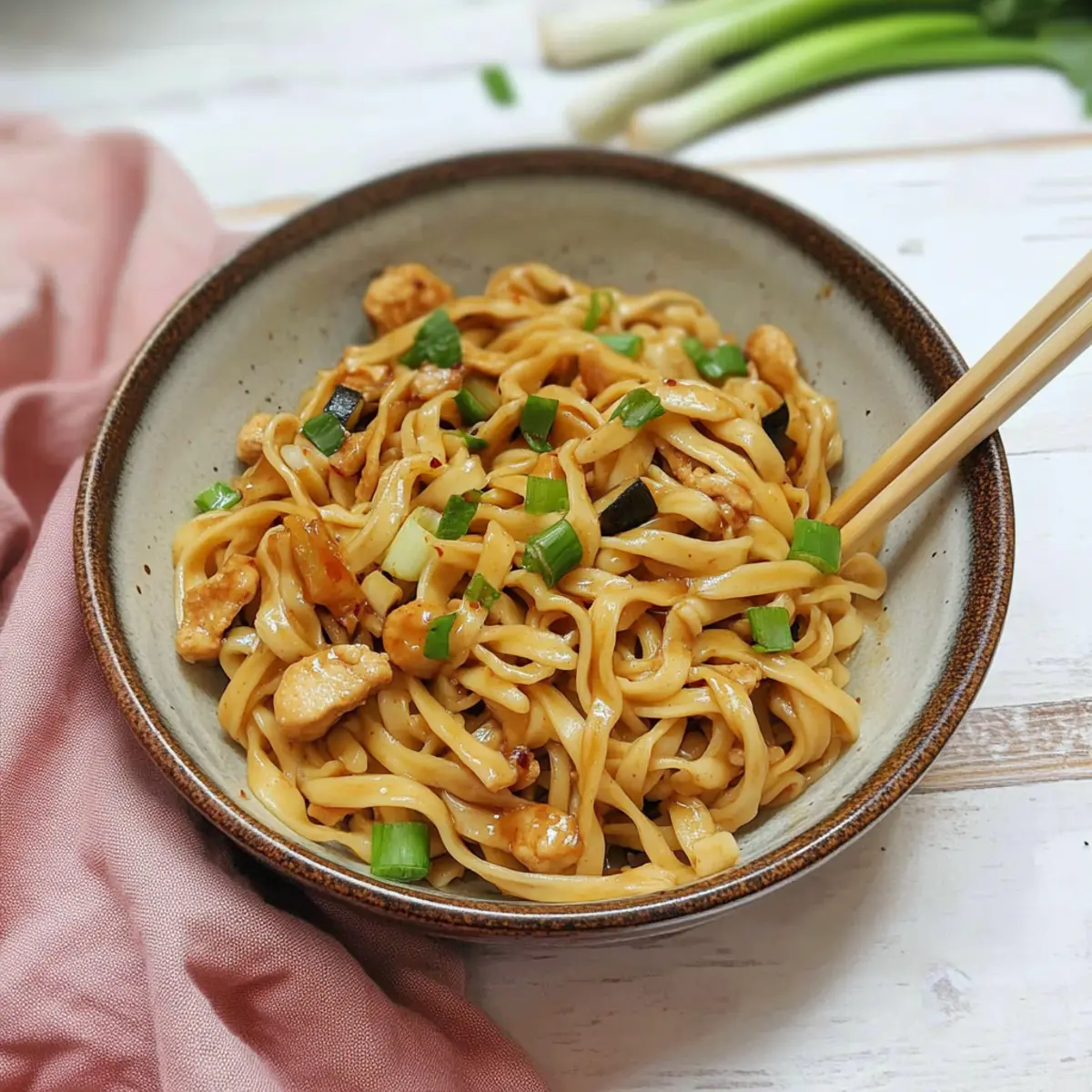
Why Choose Gluten Free Egg Noodles?
Quick Preparation: These noodles come together in under 30 minutes, perfect for busy weeknights.
Homemade Goodness: Experience the satisfaction of crafting your own noodles, elevating your meals from ordinary to extraordinary.
Advertisement
Versatile Base: Pair them with a variety of sauces—like rich pesto or savory stir-fries—for endless meal options.
Hearty Texture: Enjoy the tender yet slightly chewy consistency, reminiscent of traditional egg noodles. It’s a texture that will please everyone at the table!
Dairy-Free Option: Made without dairy, these gluten-free noodles cater to diverse dietary needs while still delivering great flavor.
Family-Friendly: A fun activity to involve the kids in the kitchen, making mealtime a memorable family affair. If you’re looking for more inspiration, check out my Bacon Egg Hashbrown for an easy breakfast option or my Mongolian Ground Beef Noodles for a delicious dinner idea!
Gluten Free Egg Noodles Ingredients
For the Noodles
• Gluten Free White Bread Flour – Provides structure and firmness to your homemade noodles; opt for a quality blend like FREEE for best results.
• Xanthan Gum – Acts as a binding agent to keep the noodles from crumbling; if you’re sensitive to gums, substitute with psyllium husk powder.
• Gluten Free Tapioca Flour – Adds elasticity and a chewy texture to the noodles; potato flour can also be used for a different spin.
• Large Eggs – Crucial for flavor and moisture; if dietary needs require, consider a specific egg replacement such as flax eggs.
• Egg Yolk – Enhances richness and adds a lovely color to your gluten free egg noodles; save the whites for another scrumptious dish!
• Olive Oil – Adds moisture and aids in kneading, but any neutral oil will do if olive oil is not available.
Step‑by‑Step Instructions for Homemade Gluten Free Egg Noodles
Step 1: Combine Dry Ingredients
In a large mixing bowl, blend together 2 cups of gluten free white bread flour, 1 teaspoon of xanthan gum, and 1 cup of gluten free tapioca flour until well combined. Use a whisk to ensure an even distribution, creating a light and fluffy mix that sets a solid base for your gluten free egg noodles.
Step 2: Whisk Wet Ingredients
In a separate bowl, crack open 2 large eggs and add 1 egg yolk. Whisk vigorously for about 30 seconds until fully combined, creating a smooth, golden mixture. This step is essential for adding richness and moisture, giving your noodles the satisfying texture they deserve.
Step 3: Incorporate Wet into Dry
Gradually pour the egg mixture into the flour blend, using a wooden spoon to mix. Initially, the dough will be sticky and may seem unmanageable, but keep at it until it forms a cohesive dough. This process should take about 2-3 minutes, bringing the essence of your homemade gluten free egg noodles to life.
Step 4: Knead and Rest Dough
Add 1 tablespoon of olive oil to the dough and knead it with your hands for roughly 5 minutes until smooth and elastic. Once you’ve achieved a pliable texture, shape the dough into a ball, cover it with a damp cloth, and let it rest at room temperature for 15-20 minutes. This resting phase is crucial for allowing the gluten-free flours to absorb moisture fully.
Step 5: Prepare for Rolling
When the dough has rested, lightly flour your work surface with a bit of gluten free flour to prevent sticking. Divide the dough into four equal portions. This division makes it easier to roll out each piece uniformly, ensuring even thickness in your gluten free egg noodles.
Step 6: Roll Out Dough
Take one portion of dough and roll it out with a rolling pin to a thickness of about 2mm. Remember to dust both sides lightly with flour as you go to prevent sticking. Aim for an even roll, which is essential for creating delightful, tender noodles that cook uniformly; repeat this for the remaining portions of dough.
Step 7: Cut Noodles
Using a sharp knife or a pizza cutter, slice the rolled-out dough into thin strips. Aim for about 1/4 inch thickness for the best cooking outcome. Gather the cut noodles gently and dust them with a little more flour to prevent them from sticking together as they wait to be cooked.
Step 8: Dry Noodle Nests
Allow the gathered noodle strips to rest on the floured surface for about 10-15 minutes before cooking. This drying time helps slightly firm up the gluten free egg noodles, making them easier to handle while cooking, ensuring you achieve that perfect chewy texture.
Step 9: Cook Noodles
Bring a large pot of salted water to a rolling boil. Carefully drop your gluten free egg noodles into the pot and stir immediately to prevent any sticking. Cook for approximately 2 minutes or until they float and are tender yet slightly chewy. Drain the noodles well, ready to be combined with your favorite sauce or stir-fried veggies.
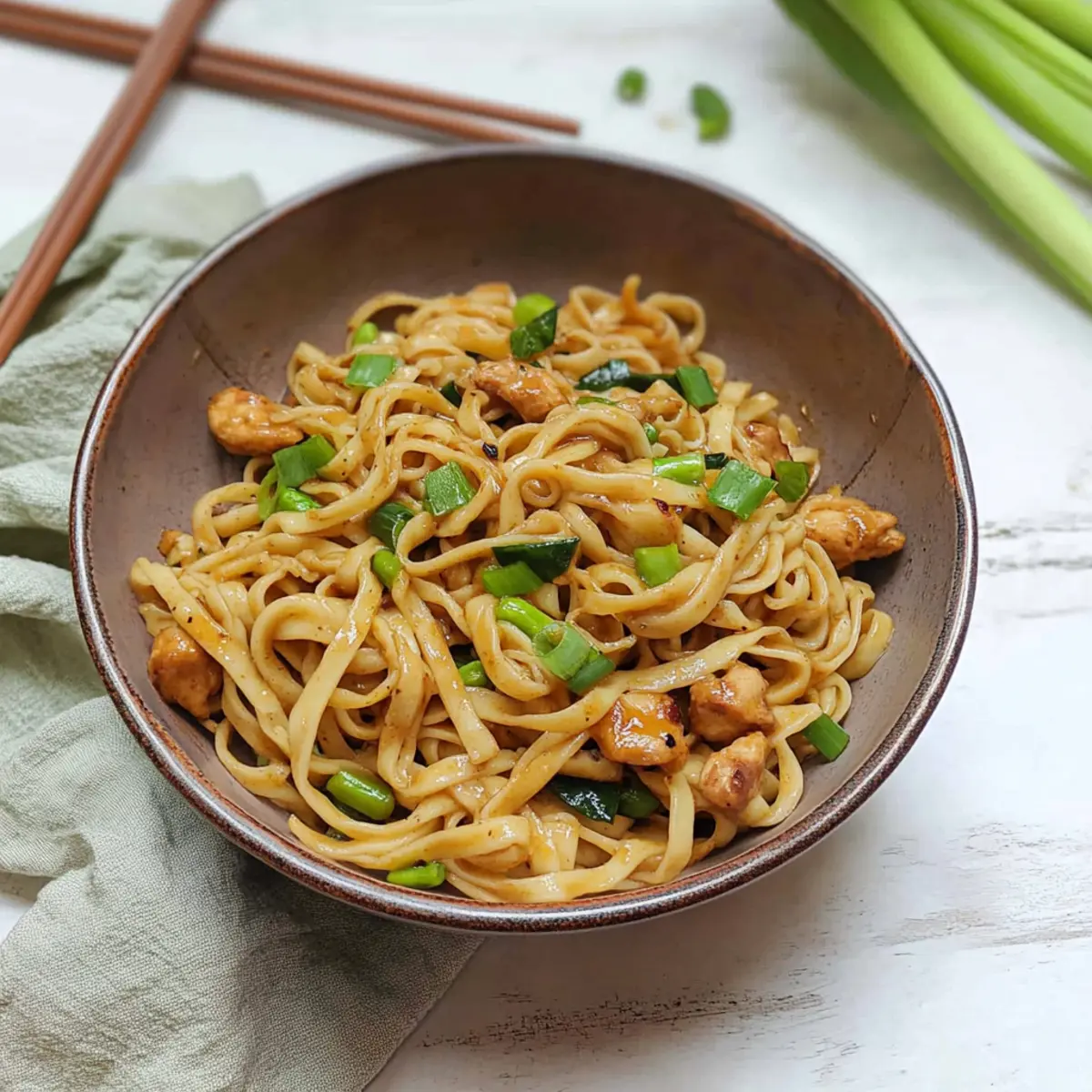
Variations & Substitutions for Gluten Free Egg Noodles
Feel free to customize your gluten free egg noodles and make them your own with these delightful variations!
-
Dairy-Free Option: Replace eggs with flax eggs (1 tablespoon flaxseed meal + 2.5 tablespoons water = 1 egg) for a plant-based twist.
-
Herbed Noodles: Add dried herbs like oregano or thyme to the flour mix for a fragrant flavor upgrade. These paired with a light sauce can create a beautiful aromatic dish.
-
Spicy Kick: Mix in a pinch of red pepper flakes or cayenne pepper for a deliciously fiery version. This will not only add heat but will invigorate any sauce you choose.
-
Using Different Flours: Experiment with a blend of rice flour and chickpea flour for an intriguing texture. This provides a unique taste that pairs wonderfully with a variety of sauces.
-
Infused Oils: Instead of olive oil, try using sesame oil for an Asian-inspired flavor profile. It adds depth, especially if you later toss your noodles into a stir-fry.
-
Vegetable Enrichment: Fold in pureed vegetables (like spinach or beetroot) into the dough for a colorful presentation and extra nutrients. These vibrant hues can brighten up your dish!
-
Nutty Addition: Incorporate almond flour into the mix for added nuttiness. It changes the flavor and adds a slight crunch, providing more depth to your noodles.
-
Sauce Pairings: If you’re not sure where to start, try your homemade noodles with a flavorful sauce like pesto, or mix them with some stir-fried veggies. For more ideas, take a look at my Cheesecake Egg Rolls for a sweet treat or dive into the heartiness of my Mongolian Beef Noodles that complement these noodles beautifully!
What to Serve with Homemade Gluten Free Egg Noodles
The comforting embrace of homemade gluten-free noodles can really shine when served with delightful accompaniments, creating a meal that sings with flavor and texture.
-
Savory Stir-Fried Vegetables: Pair with a colorful mix of bell peppers, broccoli, and snow peas tossed in sesame oil for a crunchy texture.
-
Creamy Garlic Sauce: A rich and velvety garlic sauce elevates the noodles, infusing each bite with savory goodness. The creaminess beautifully contrasts the slight chew of the noodles.
-
Hearty Chicken Stir-Fry: Combine with tender chicken and a zesty ginger sauce. The protein adds a filling element, pairing wonderfully with the noodles’ texture.
-
Fresh Spring Salad: A crisp salad with cucumber, carrots, and a light vinaigrette brings a refreshing balance that complements the rich flavors of the noodles.
-
Classic Marinara Sauce: A simple marinara sauce provides an Italian twist, coating the noodles in vibrant tomato flavors that won’t disappoint.
-
Sweet and Sour Sauce: Enjoy a tangy sweet and sour sauce that mingles beautifully with the noodles, giving an Asian flair that will have everyone coming back for more.
-
Tasty Tofu Skewers: Grilled marinated tofu skewers not only add protein but also offer a delightful contrast to the noodles’ soft texture, perfect for a vegan option.
-
Warm, Crusty Bread: For those who appreciate extra carbs, serve with fresh, crusty gluten-free bread to soak up any remaining sauces. The texture is a delightful pairing with the noodles.
-
Chilled Green Tea: Sip a refreshing glass of chilled green tea to cleanse the palate between each delicious bite, enhancing the overall dining experience.
Make Ahead Options
These Gluten Free Egg Noodles are a fantastic option for meal prep, allowing you to savor homemade goodness with a fraction of the effort on busy nights. You can prepare the dough and shape the noodles, then refrigerate them for up to 3 days. Just ensure they’re lightly dusted with flour and kept in an airtight container to maintain their quality and prevent sticking. If you want to go a step further, you can dry the shaped noodles and freeze them for up to 3 months for even longer storage. When you’re ready to enjoy your noodles, simply boil salted water, cook the noodles for about 2 minutes, and toss them with your favorite sauce. It’s that easy!
Storage Tips for Gluten Free Egg Noodles
Fridge: Store cooked gluten free egg noodles in an airtight container for up to 3 days. To maintain freshness, toss them with a drizzle of olive oil to prevent sticking.
Freezer: Uncooked noodle nests can be wrapped tightly in plastic wrap and kept in the freezer for up to 3 months. When ready, boil them straight from frozen without thawing.
Reheating: Reheat cooked noodles by briefly boiling for 1-2 minutes or stir-frying with your favorite sauce. This revitalizes their tender, slightly chewy texture, perfect for a quick meal.
Make-Ahead: Consider making a larger batch of gluten free egg noodles. They can be refrigerated for a couple of days or frozen to create easy, delicious meals whenever you crave them!
Expert Tips for Gluten Free Egg Noodles
Consistent Thickness: Ensure even noodle thickness when rolling out. Thin noodles cook better and maintain their shape—around 2mm works best.
Boil Water First: Always bring the water to a rolling boil before adding the noodles. This prevents them from becoming overly soft or falling apart.
Flour Diligently: Dust both sides of your noodles with flour to avoid sticking during cutting and cooking. This little trick keeps them perfectly separated.
Right Size Strips: Aim for 1/4 inch thin noodle strips for even cooking. Thinner noodles will be more tender and absorb sauces beautifully.
Make Ahead: Prepare extra noodle nests by refrigerating them—simply boil or stir-fry for a quick meal later. They’ll keep well for a couple of days in the fridge.
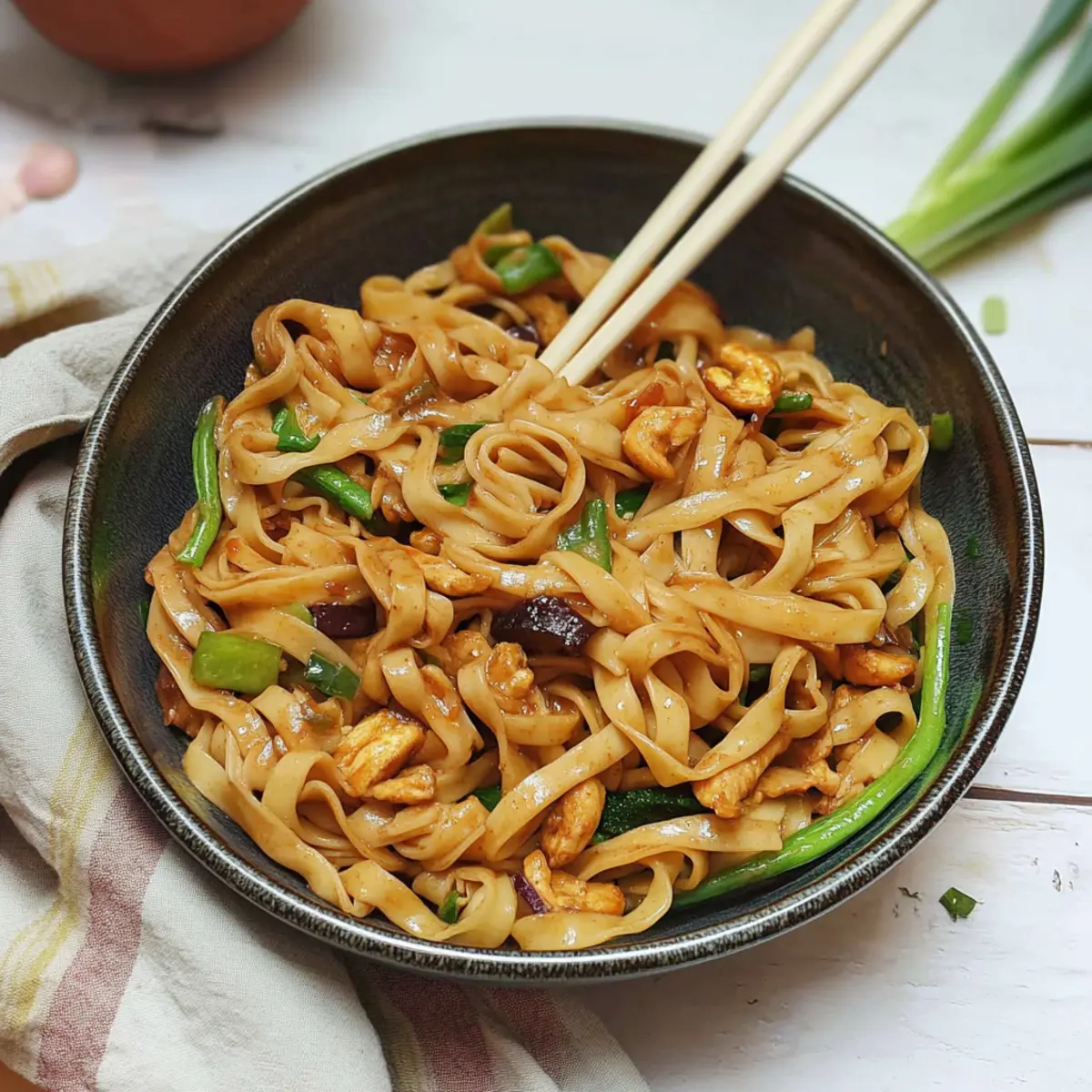
Gluten Free Egg Noodles Recipe FAQs
How do I select the right gluten free flour for this recipe?
Absolutely! For the best results, choose a high-quality gluten-free white bread flour like FREEE, which provides the necessary structure and firmness. Always check the ingredient list for a blend that includes xanthan gum or other binding agents, as this ensures the noodles hold together well and achieve the desired texture.
Can I store leftover cooked gluten free egg noodles?
Certainly! Store any cooked noodles in an airtight container in the fridge for up to 3 days. To keep them from sticking together, I recommend tossing them lightly with a drizzle of olive oil before sealing the container. This way, you’ll have an easy base for your next meal!
How can I freeze uncooked gluten free egg noodles?
Very easily! Wrap the uncooked noodle nests tightly in plastic wrap and place them in a freezer-safe bag or container. They can be stored in the freezer for up to 3 months. When you’re ready to use them, simply boil the noodle nests directly from frozen—there’s no need to thaw them first!
What if my dough is too sticky or crumbly?
If your dough feels too sticky, try adding a little more gluten free flour—just a tablespoon at a time—until it reaches a workable consistency. On the flip side, if it’s too crumbly, you might need to add a bit more moisture, such as a tiny splash of water or an extra egg yolk. Kneading the dough longer can also help it come together better.
Are these noodles suitable for those with allergies?
Yes, they can be! This gluten free egg noodle recipe is also dairy-free; however, be aware of cross-contamination if you’re preparing them for someone with a severe gluten allergy. Additionally, if you need a vegan option, a flax egg can substitute for regular eggs, which I often recommend for those with dietary restrictions while still achieving a pleasant texture.
How long do uncooked noodles need to dry before cooking?
I recommend letting your noodle nests dry for about 10-15 minutes at room temperature. This brief drying period helps slightly firm up the noodles, making them easier to handle and cook effectively without breaking apart, ensuring you get that delightful chewy texture you love!
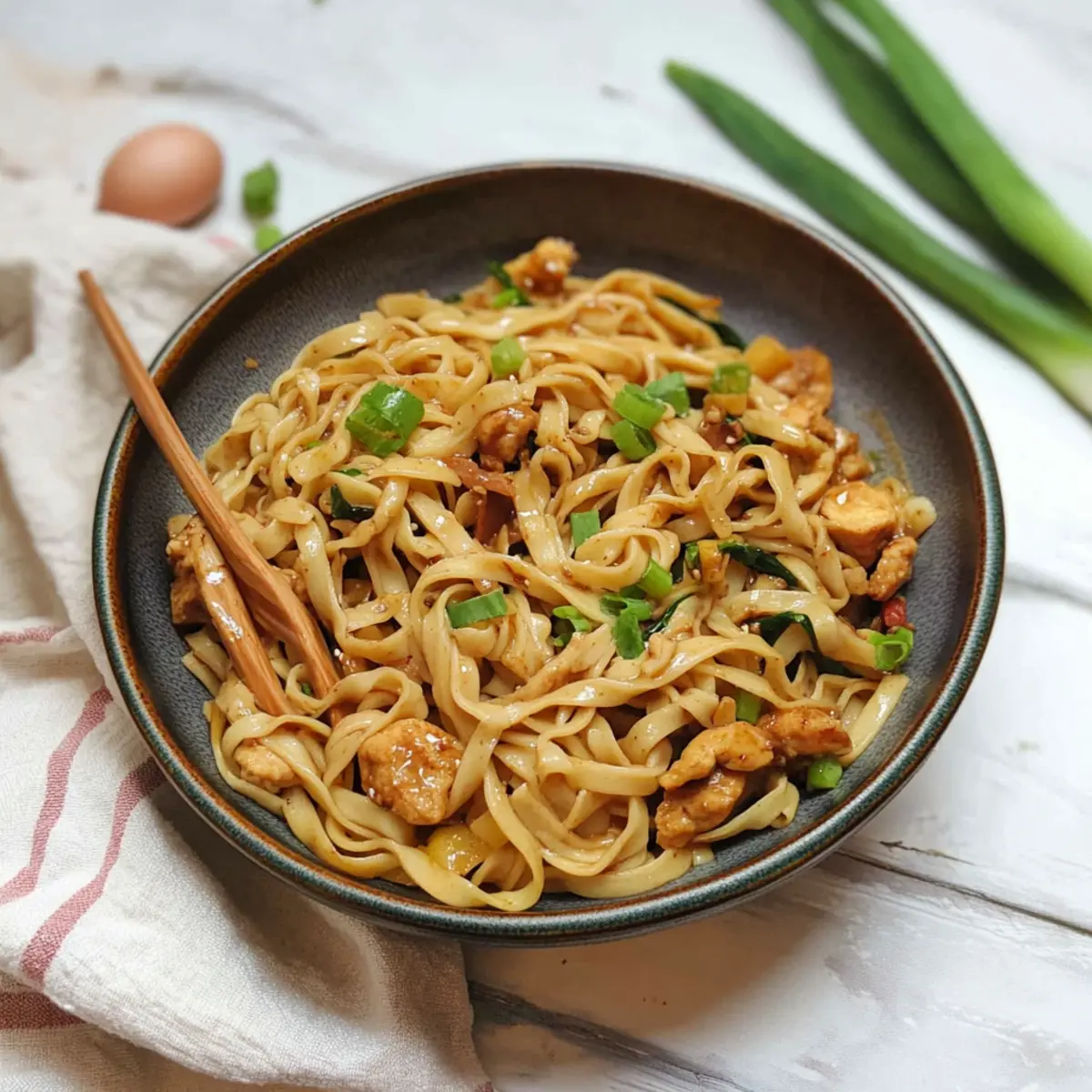
Delicious Homemade Gluten Free Egg Noodles in 30 Minutes
Ingredients
Equipment
Method
- In a large mixing bowl, blend together 2 cups of gluten free white bread flour, 1 teaspoon of xanthan gum, and 1 cup of gluten free tapioca flour until well combined.
- In a separate bowl, crack open 2 large eggs and add 1 egg yolk. Whisk vigorously for about 30 seconds until fully combined.
- Gradually pour the egg mixture into the flour blend, using a wooden spoon to mix until it forms a cohesive dough.
- Add 1 tablespoon of olive oil to the dough and knead for roughly 5 minutes until smooth and elastic. Let it rest for 15-20 minutes.
- Lightly flour your work surface and divide the dough into four equal portions.
- Roll out one portion of dough to a thickness of about 2mm, dusting with flour as necessary to prevent sticking.
- Using a sharp knife or pizza cutter, slice the rolled-out dough into thin strips, aiming for about 1/4 inch thickness.
- Allow the gathered noodle strips to rest on the floured surface for about 10-15 minutes before cooking.
- Bring a large pot of salted water to a rolling boil. Drop in your gluten free egg noodles and cook for approximately 2 minutes or until tender.