Advertisement
Sinking my spoon into a fluffy cloud of sweetness, I can’t help but be transported to vibrant Vietnamese street markets where the allure of desserts fills the air. Today, I’m excited to share my version of the delightful Vietnamese Honeycomb Cake (Banh Bo Nuong)! This cake is not only charming with its stunning honeycomb appearance but also incredibly easy to whip up at home. Plus, it’s gluten-free and dairy-free, making it a perfect indulgence for everyone, regardless of dietary needs. You’re going to love how light and airy each slice is, complimented by the aromatic notes of pandan and the richness of coconut. It’s a fantastic showstopper for gatherings or a comforting treat for yourself. Curious about how to bring these exotic flavors to your kitchen? Let’s dive in!
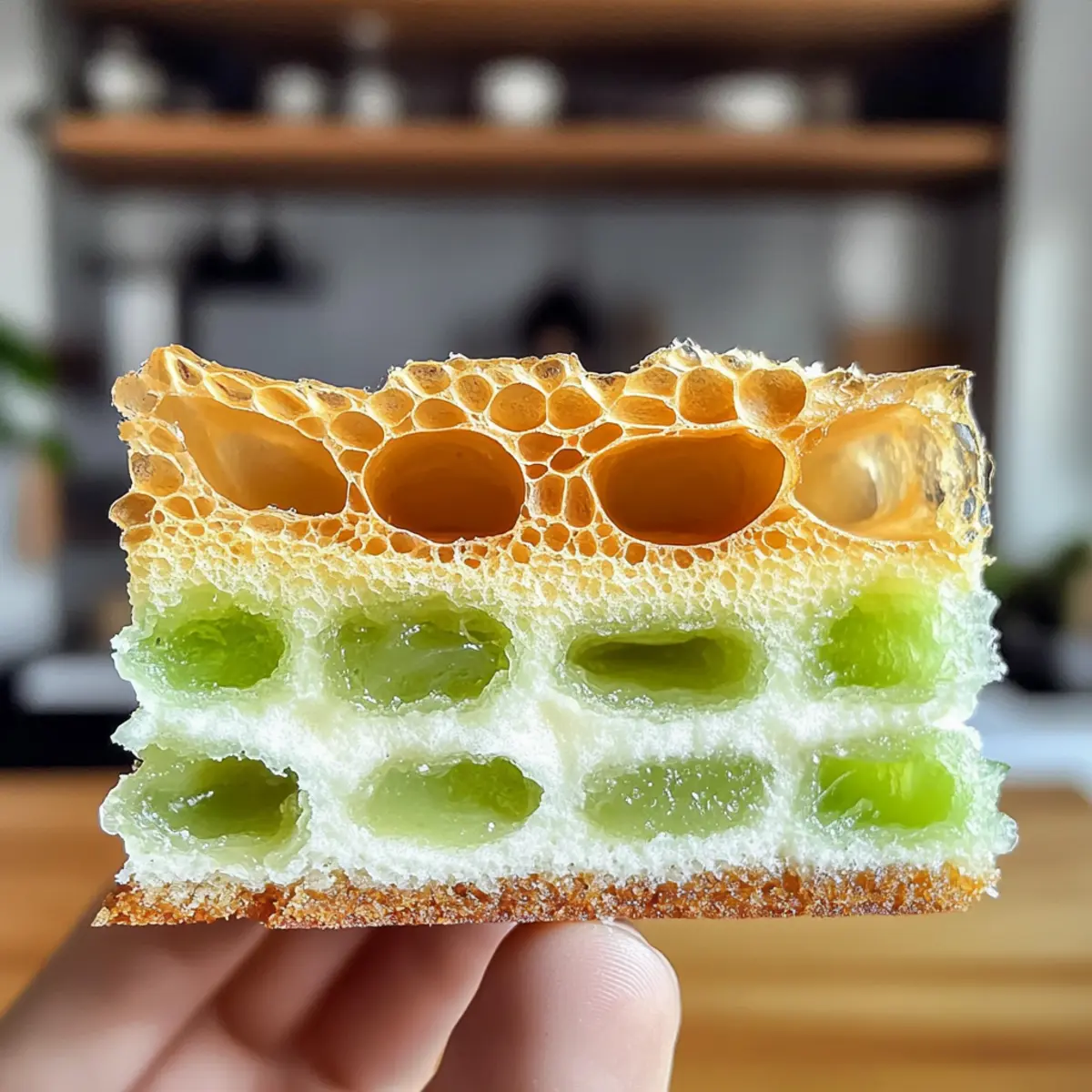
Why is this cake so irresistible?
Unique Flavors: This Vietnamese Honeycomb Cake delivers an exotic taste experience, with rich coconut and aromatic pandan blending beautifully.
Easy Preparation: With a straightforward process, even novice bakers can master this delight, making it perfect for spontaneous baking adventures.
Advertisement
Diet-Friendly: Being both gluten-free and dairy-free means everyone can enjoy this fantastic dessert without compromising on flavor.
Visually Stunning: The gorgeous honeycomb pattern adds an impressive touch, making it ideal for gatherings and special occasions.
Crowd-Pleasing: Serve it at parties or family get-togethers—the unique taste and delightful texture will enchant guests every time!
If you’re intrigued by Asian desserts, check out my gluten-free mochi recipe for another fabulous treat!
Vietnamese Honeycomb Cake Ingredients
For the Batter
- Coconut Milk – Provides richness and moisture; use full-fat for a creamier texture.
- Pandan Leaves – Infuses the cake with a sweet aroma and flavor; substitute with 1 teaspoon of pandan extract if fresh leaves are unavailable.
- Eggs – Important for structure and richness; large eggs are best for optimal results.
- Granulated Sugar – Sweetens the batter; adjust to taste if you prefer a less sweet version.
- Pandan Extract – Enhances the pandan flavor if fresh leaves aren’t available; use 1/2 teaspoon, and double if substituting for leaves.
- Vanilla Extract – Adds depth and complexity to the cake’s flavor profile.
- Tapioca Starch – Essential for achieving that signature airy texture; do not substitute with other flours.
- Baking Powder – Provides lift, helping the cake rise during baking.
- Salt – Balances the sweetness and enhances the overall flavor of the cake.
If you’re looking to indulge in a delightful treat, these Vietnamese Honeycomb Cake ingredients are your perfect starting point!
Step‑by‑Step Instructions for Vietnamese Honeycomb
Step 1: Preheat the Oven
Begin by preheating your oven to 350°F (177°C). As the oven heats, place your bundt pan inside for about 10 minutes to warm it up. This helps ensure a smooth release of the cake later and contributes to achieving the perfect texture in your Vietnamese Honeycomb Cake.
Step 2: Prepare the Coconut Mixture
In a blender, combine the full-fat coconut milk and pandan leaves. Blend until you achieve a smooth consistency, about 1-2 minutes. Next, strain the mixture through a fine mesh sieve into a bowl to extract the liquid, discarding any solids. This creamy coconut mixture is crucial for the delightful flavor of your honeycomb cake.
Step 3: Mix Wet Ingredients
In a separate mixing bowl, gently whisk together the strained coconut mixture, eggs, and granulated sugar. Be careful to minimize the incorporation of air bubbles as you mix, which takes about 1-2 minutes. The goal is to achieve a smooth blend that will provide richness and stability for your Vietnamese Honeycomb Cake.
Step 4: Add Flavorings
Once your wet ingredients are combined, stir in the pandan extract and vanilla extract to infuse your batter with aromatic notes. Mix until fully incorporated, focusing on creating a harmonious blend of flavors. The beautiful essence of pandan is key to the cake’s enticing flavor profile and should shine through.
Step 5: Combine Dry Ingredients
In another bowl, whisk together the tapioca starch, baking powder, and salt. This dry mixture is essential for the texture of your cake. Next, gently fold this dry mixture into the wet ingredients until just combined. Avoid over-mixing to preserve the light, airy quality that characterizes the Vietnamese Honeycomb Cake.
Step 6: Bake the Cake
Carefully pour the batter into the warmed bundt pan, ensuring an even distribution. Bake the cake in the preheated oven for about 50-55 minutes, or until a toothpick inserted in the center comes out clean. You’ll see the cake puffing up beautifully with a golden-brown exterior, signaling that it’s nearing perfection.
Step 7: Cool the Cake
After baking, allow the cake to cool in the bundt pan for about 60 minutes. This cooling process is essential for the structure of your Vietnamese Honeycomb Cake. Once cooled, carefully invert the cake onto a wire rack, letting it cool completely to maintain its stunning honeycomb appearance while enhancing the flavors.
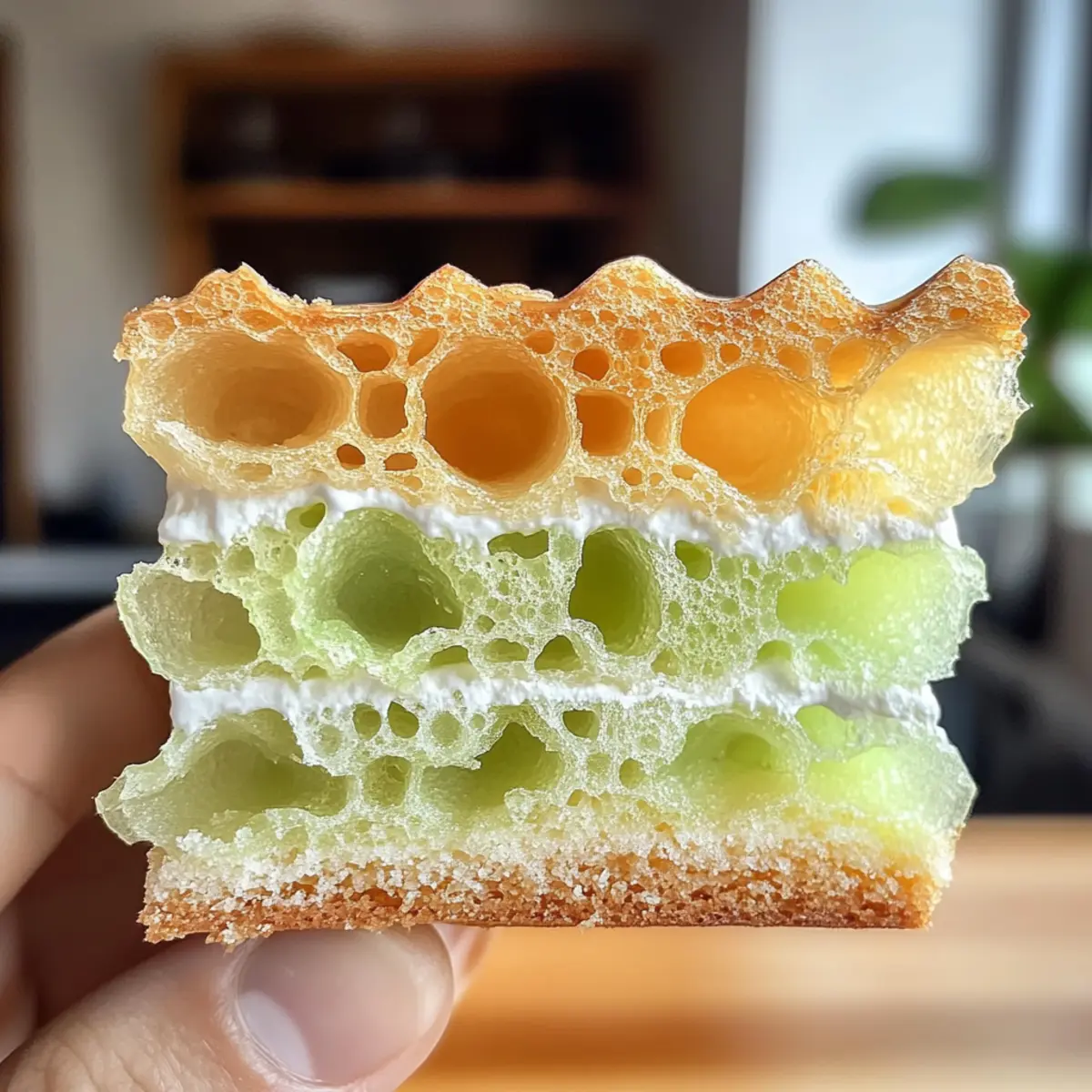
What to Serve with Vietnamese Honeycomb Cake?
Savor the enchanting experience of pairing this light and airy dessert with delightful accompaniments that enhance its unique flavors.
-
Coconut Ice Cream: The creamy texture complements the cake’s fluffiness, adding a cool contrast that’s irresistibly refreshing.
-
Fresh Mango Slices: Juicy and sweet, ripe mango adds a burst of brightness that beautifully balances the cake’s rich coconut flavor.
-
Citrus Salad: A vibrant mix of orange and grapefruit segments brings a zesty edge, creating a refreshing palate cleanser alongside the sweet cake.
-
Jasmine Tea: The subtle floral notes of this tea pair harmoniously with the pandan essence, enhancing the overall sensory experience.
-
Chilled Coconut Soup: This creamy, sweet dessert soup offers another layer of coconut flavor while providing a soothing creaminess that complements the honeycomb texture.
-
Chocolate Drizzle: A light drizzle of dark chocolate adds a touch of decadence; the bitterness contrasts nicely with the sweet cake, elevating each bite.
-
Lychee Sorbet: This fruity, icy treat introduces a hint of exotic sweetness, making for a dreamy summer dessert duo.
-
Toasted Coconut Flakes: Sprinkling these on top not only adds texture but also intensifies the coconut flavor, making it a delightful visual and taste experience.
Vietnamese Honeycomb Cake Variations
Feel free to mix things up and create your own memorable twist on this delightful cake!
-
Flavor Twist: Substitute brown sugar for white sugar for a rich caramel flavor that deepens the cake’s sweetness. It adds a lovely complexity to the overall taste profile.
-
Nutty Undertone: Use almond milk instead of coconut milk to enjoy a different, nutty flavor without losing the cake’s delightful texture. The subtle almond twist will surprise your taste buds!
-
Extra Texture: Try topping the cake with toasted coconut flakes or fresh mango slices for a burst of brightness. These toppings elevate the dish while adding appealing contrasts in texture.
-
Mini Cakes: Bake the batter in muffin tins for bite-sized treats! Perfectly portioned for gatherings, these mini cakes are just as fluffy and delicious as the full-sized version.
-
Citrusy Zing: Add the zest of a lemon or lime to the batter for a refreshing citrus note. This brightens the cake and balances its sweetness perfectly.
-
Spicy Kick: Sprinkle in some ground ginger or a pinch of cayenne pepper for a little heat. It creates a lovely contrast to the cake’s sweetness, leaving your taste buds dancing!
If you’re seeking other delicious desserts, you might enjoy my easy gluten-free mochi recipe for a fun, chewy treat!
- Chocolate Lovers: Fold in some cocoa powder into the batter for chocolatey goodness. This variation changes the color and flavor, making it an exciting option for chocolate fans.
Storage Tips for Vietnamese Honeycomb Cake
-
Room Temperature: Keep your cake in an airtight container at room temperature for up to 3 days to maintain its delightful texture and flavor.
-
Fridge: If you’re in a warm climate, store the cake in the refrigerator for up to 1 week. Ensure it’s covered to prevent drying out.
-
Freezer: You can freeze the Vietnamese Honeycomb Cake for up to 2 months. Wrap it well in plastic wrap and then foil to prevent freezer burn.
-
Thawing: When ready to enjoy, thaw in the fridge overnight. A gentle reheat in the microwave for a few seconds can restore its fluffy texture.
Expert Tips for Vietnamese Honeycomb Cake
-
Warm the Pan: Always ensure to warm the bundt pan in the oven for 10 minutes. This helps the cake release easily and achieve the ideal texture.
-
Avoid Over-Mixing: When folding the dry ingredients into the wet mixture, stop as soon as you see no more dry flour. Over-mixing can prevent the cake from reaching its signature airy texture.
-
Strain Well: Use a fine mesh sieve to strain your coconut-pandan mixture without lumps. This simple step ensures a smooth batter contributing to the cake’s delightful texture.
-
Check Baking Powder Freshness: Always check the expiration date on your baking powder for the best rise. Old baking powder can result in a dense cake instead of the light Vietnamese Honeycomb Cake you desire.
-
Cooling is Crucial: Let the cake cool completely in the bundt pan before inverting. This prevents it from breaking apart and preserves that beautiful honeycomb structure.
Make Ahead Options
These Vietnamese Honeycomb Cake (Banh Bo Nuong) preparations are perfect for busy home cooks who want to save time! You can prepare the batter and store it in the refrigerator for up to 24 hours before baking. To do this, mix your wet and dry ingredients as directed, then combine them and refrigerate in an airtight container. When you’re ready to bake, simply pour the batter into the preheated pan and follow the baking instructions. This helps maintain the cake’s light and airy texture, ensuring your surprise guests will enjoy just as delicious a cake as if you had made it freshly in the moment!
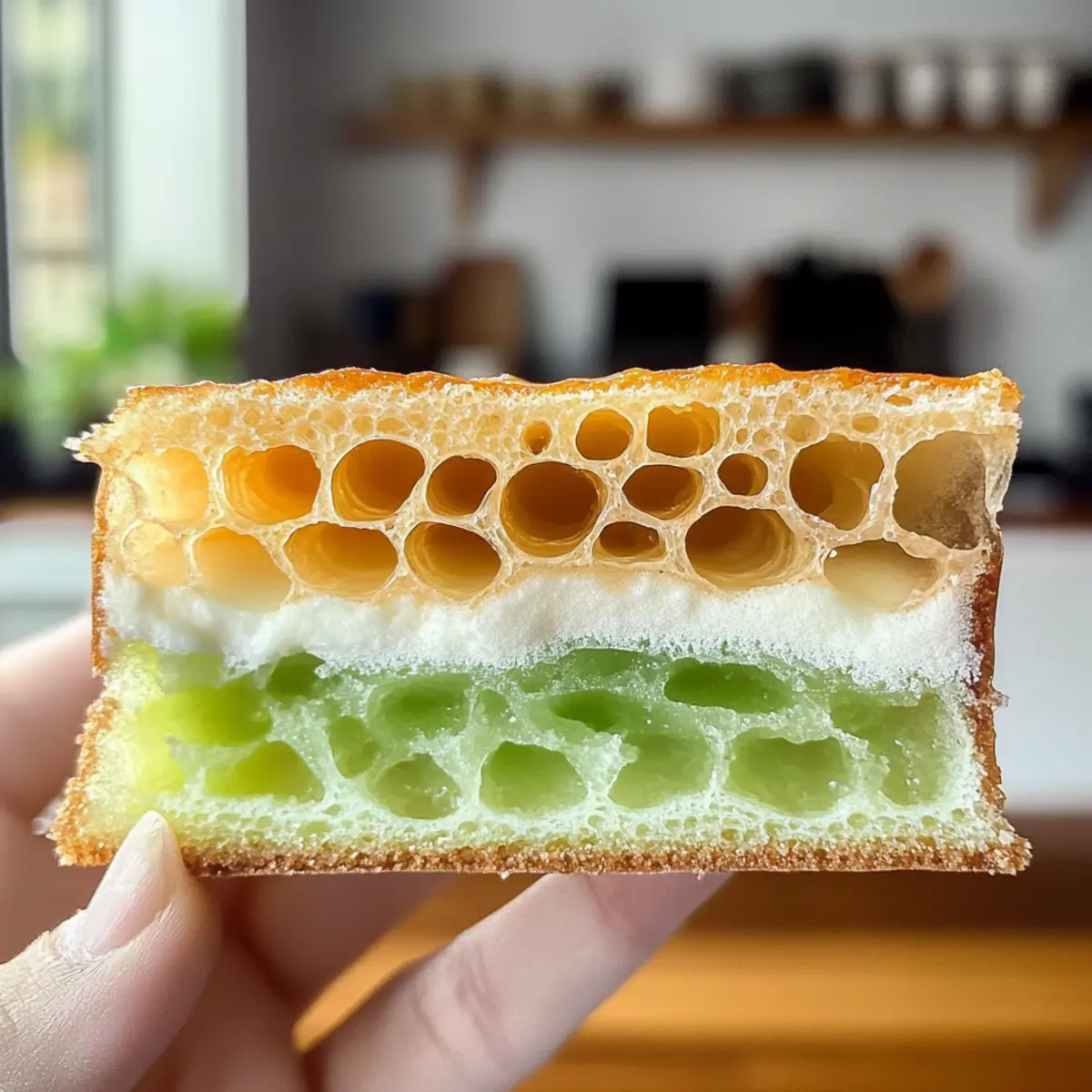
Vietnamese Honeycomb Cake Recipe FAQs
What are the best pandan leaves to use for this cake?
When selecting pandan leaves, look for vibrant green, fresh leaves without any dark spots or wilting. The leaves should feel pliable and emit a sweet, grassy aroma, indicating freshness. If fresh pandan leaves are unavailable, you can use 1 teaspoon of pandan extract, which provides a similar flavor.
How should I store the Vietnamese Honeycomb Cake?
Store the cake in an airtight container at room temperature for up to 3 days. If you’re in a warmer climate, refrigerate it for up to 1 week to prevent spoilage. Always ensure it’s covered properly to keep it moist and delicious!
Can I freeze Vietnamese Honeycomb Cake?
Absolutely! You can freeze the cake for up to 2 months. Wrap it tightly in plastic wrap and then in foil to prevent freezer burn. To thaw, place it in the refrigerator overnight, and for a fluffy texture, warm it for a few seconds in the microwave before serving.
What should I do if the cake doesn’t rise properly?
If the Vietnamese Honeycomb Cake doesn’t rise as expected, there are a few common culprits. First, ensure your baking powder is fresh, as expired baking powder can lead to a dense cake. Second, be careful not to over-mix the batter, as this can prevent the cake from achieving its signature airy texture. Lastly, always warm your bundt pan before pouring in the batter to aid with rising.
Is this cake safe for people with allergies?
This Vietnamese Honeycomb Cake is naturally gluten-free and dairy-free, making it suitable for many dietary restrictions. However, always check ingredients like sugar and baking powder for potential cross-contamination with allergens. If you’re making this for someone with specific allergies, you can also consider using egg substitutes, like flaxseed meal, to ensure everyone can enjoy it!
Can I use a different type of milk in the recipe?
Yes! While coconut milk gives this cake its rich flavor, you can substitute it with almond milk or any plant-based milk if you prefer. However, keep in mind that it may slightly alter the taste and texture. For the creamiest result, full-fat coconut milk is always a great choice.
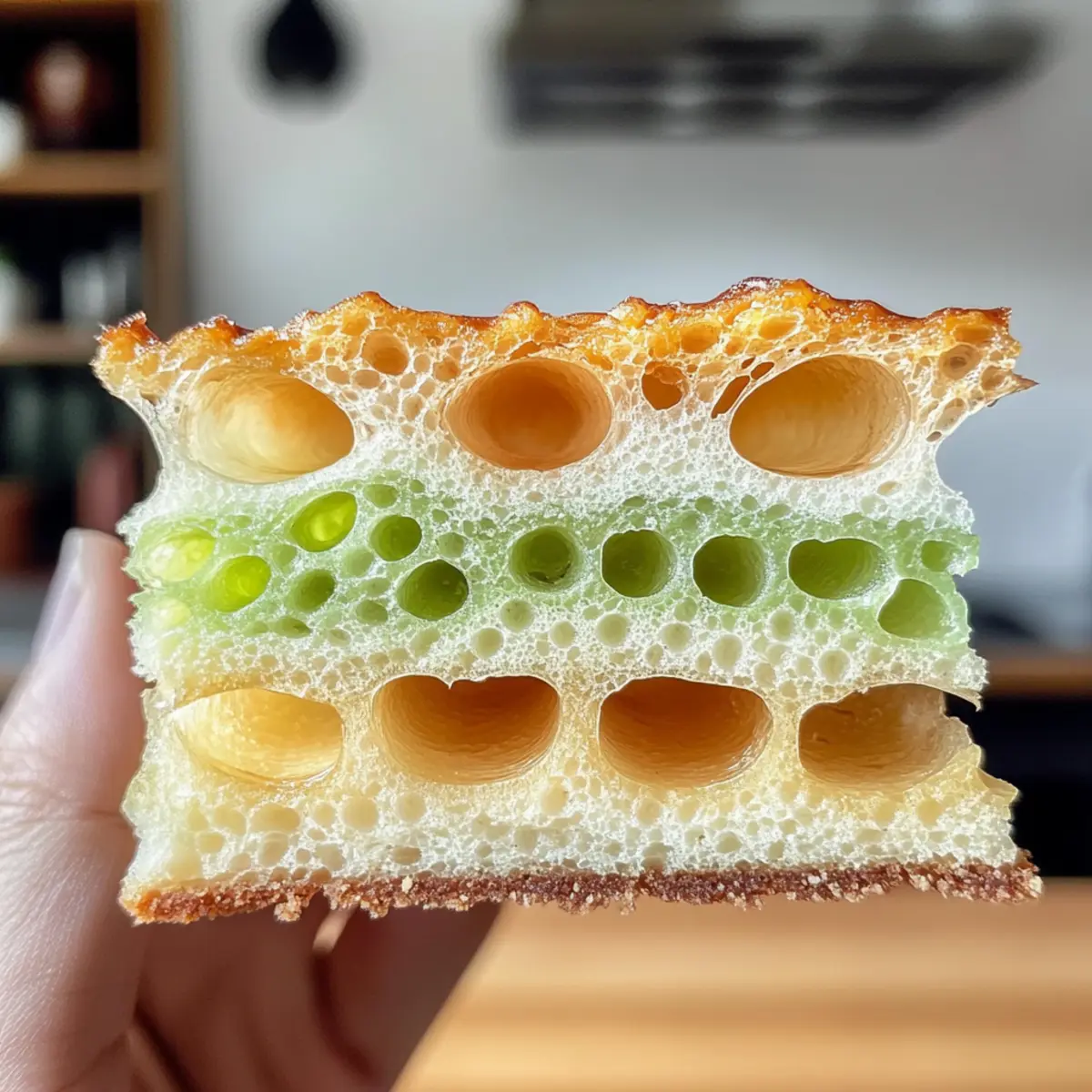
Delicious Vietnamese Honeycomb Cake: Easy Gluten-Free Delight
Ingredients
Equipment
Method
- Preheat your oven to 350°F (177°C) and warm the bundt pan for 10 minutes.
- Blend full-fat coconut milk and pandan leaves until smooth, then strain through a sieve.
- In a bowl, whisk together the strained coconut mixture, eggs, and sugar until smooth.
- Stir in pandan extract and vanilla extract until fully combined.
- Whisk together tapioca starch, baking powder, and salt, then gently fold into the wet mixture.
- Pour the batter into the bundt pan and bake for 50-55 minutes.
- Allow the cake to cool in the pan for 60 minutes before inverting onto a wire rack.