Advertisement
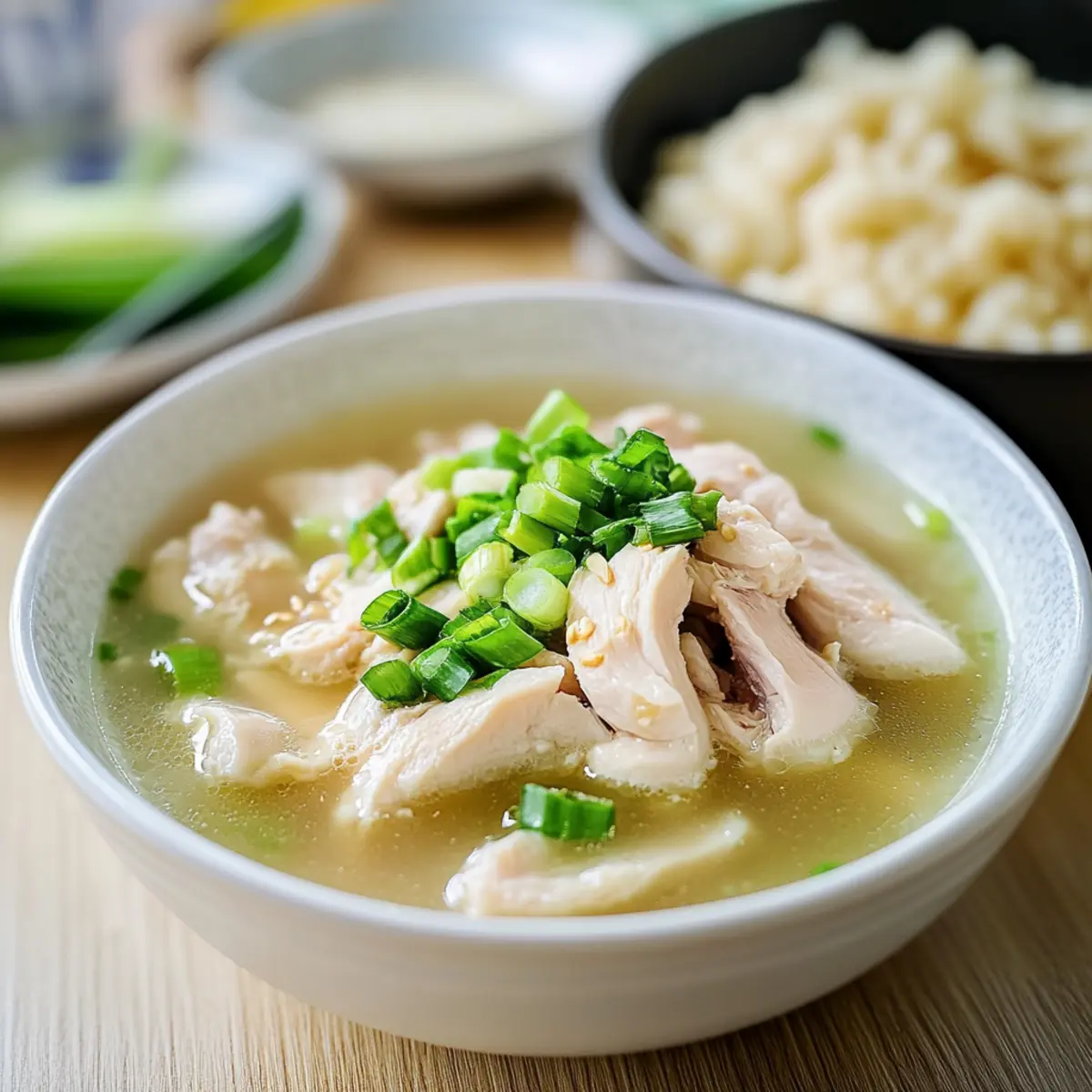
On a chilly evening, when the air is crisp and the world feels a bit heavy, there’s nothing quite like the embrace of a warm bowl of dakgomtang (Korean chicken soup). This traditional dish features tender chicken simmered to perfection with aromatic garlic, ginger, and onion, creating a milky broth that wraps you in comfort. What I adore about dakgomtang is not just its soothing qualities—it’s surprisingly quick to prepare, making it an ideal option for those bustling weeknights. Plus, its versatility lets you get creative with additional spices or veggies! Are you ready to dive into a pot of pure warmth and flavor? Let’s get cooking!
Why Is Dakgomtang So Irresistible?
Comforting warmth: There’s something truly special about the healing qualities of dakgomtang—a perfect remedy for cold days or when you’re feeling down.
Time-saving delight: In under an hour, you can create a rich and delicious soup that impresses without the stress.
Flavorful simplicity: With just a handful of wholesome ingredients, this recipe showcases the beauty of traditional Korean cooking.
Creative versatility: Feel free to add your personal touch! Adding vegetables like napa cabbage or adjusting the spice level with gochugaru gives you the freedom to experiment.
Crowd-pleasing appeal: Serve it alongside rice and kimchi for a delightful spread that’s sure to satisfy family and friends alike. If you’re looking for more delicious chicken dishes, be sure to check out these Healthy White Chicken Chili and Cheesy Chicken Roll recipes!
Dakgomtang Ingredients
• For the Soup
Advertisement
- Whole Chicken (3 to 4 pounds) – Main protein; opt for bone-in for a richer broth.
- Garlic (10-12 cloves) – Adds depth and flavor; increasing the amount enhances aromatic qualities.
- Ginger (1-inch piece, sliced) – Provides warmth and spiciness; fresh ginger is preferred for best flavor.
- Onion (1/2 medium) – Adds sweetness and balance to the soup; use yellow or white onion.
- Scallion (2-3 white parts + 3 finely chopped) – For aromatic infusion and garnish; use fresh scallions for the best results.
- Whole Black Peppercorns (1/2 teaspoon) – Enhances broth flavor; if unavailable, ground pepper works as a substitute.
- Salt and Pepper – For seasoning to taste; adjust based on personal preference.
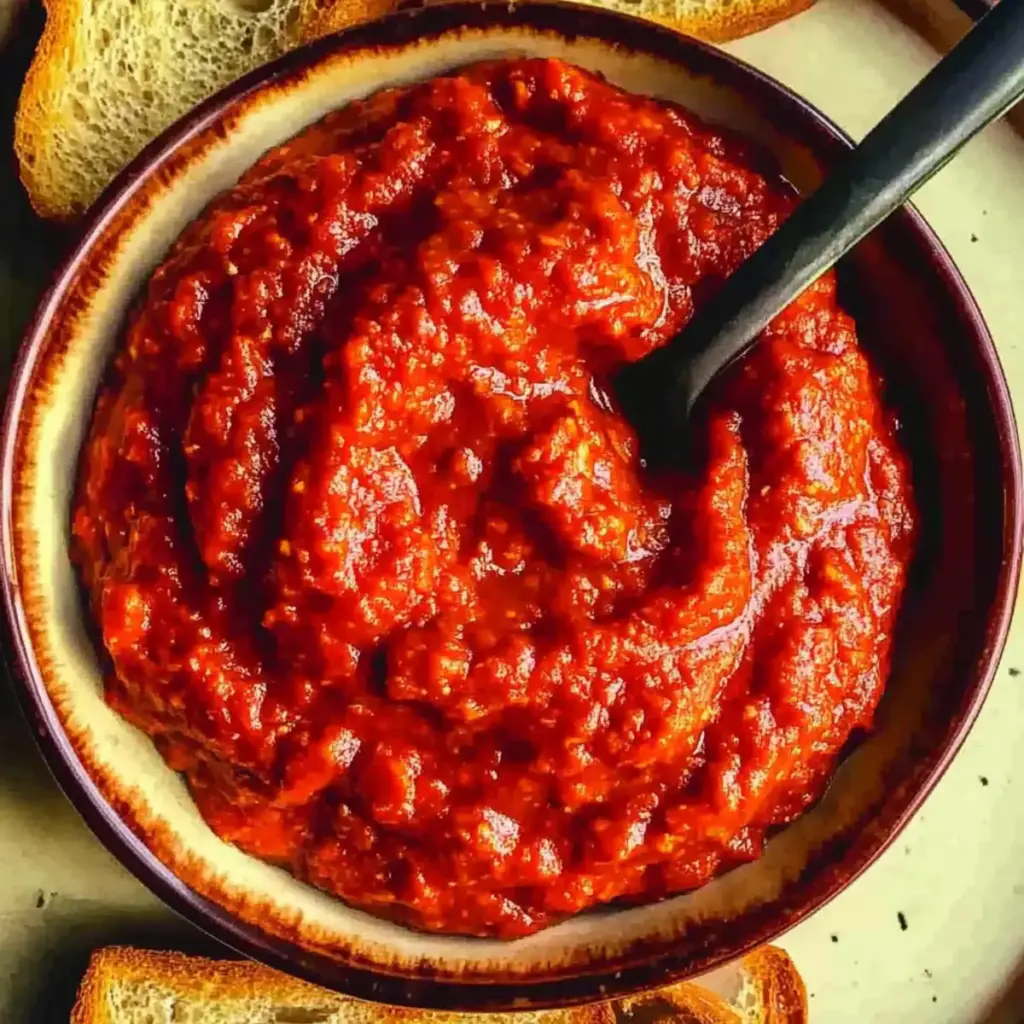
• For the Spicy Sauce (optional)
- Gochugaru (3 tablespoons) – Adds heat and color; can be adjusted for spice levels.
- Minced Garlic (2 teaspoons) – For an extra garlic kick in the sauce.
- Soup Soy Sauce (1 tablespoon) – For umami; substitute with regular soy sauce if needed.
- Chicken Broth (3 tablespoons) – Enhances the sauce’s depth.
This collection of ingredients will set you on the path to creating the ultimate comforting dakgomtang (Korean Chicken Soup)!
Step‑by‑Step Instructions for Dakgomtang (Korean Chicken Soup)
Step 1: Prepare the Chicken and Ingredients
Begin by cleaning the whole chicken under cold running water and removing any excess fat. In a large stock pot, place the chicken along with 10 cups of water, 10-12 garlic cloves, sliced ginger, half an onion, and the white parts of 2-3 scallions. If you enjoy additional depth, toss in ½ teaspoon of whole black peppercorns.
Step 2: Bring to Boil
Set the stock pot over high heat and bring the mixture to a vigorous boil. As the soup heats up, you’ll notice foam rising to the surface; use a ladle to skim off any impurities with gentle movements. This will help create a clearer broth for your dakgomtang, enhancing its visual appeal.
Step 3: Simmer the Chicken
Once boiling, reduce the heat to medium and cover the pot with a lid. Allow the soup to simmer gently for 40-50 minutes or until the chicken is tender and cooked through. You’ll know it’s ready when the meat easily pulls away from the bone, imparting savory flavors into the broth.
Step 4: Shred the Chicken
Carefully remove the chicken from the pot using tongs or a slotted spoon, placing it on a cutting board to cool slightly. Once it’s manageable, shred the meat into bite-sized pieces, discarding the skin and bones. Set the freshly shredded chicken aside while you enhance the broth for your dakgomtang.
Step 5: Enhance the Broth
To deepen the flavor, return the bones to the pot and let the broth simmer for an additional 30-60 minutes. This will create a richer, more robust broth. When you’re satisfied with the flavor, strain the broth using a fine mesh sieve, ensuring a silky texture in your final dakgomtang.
Step 6: Assemble and Serve
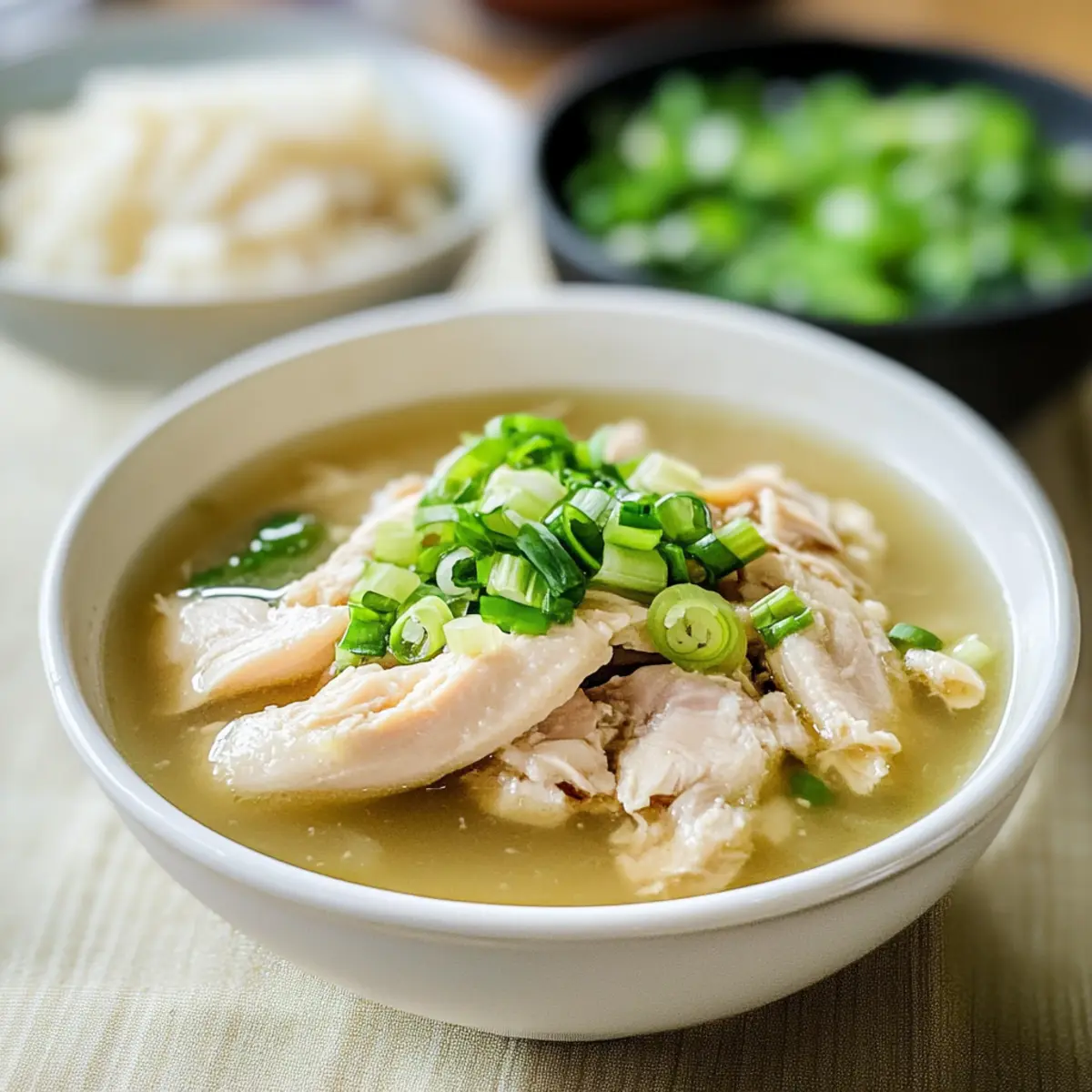
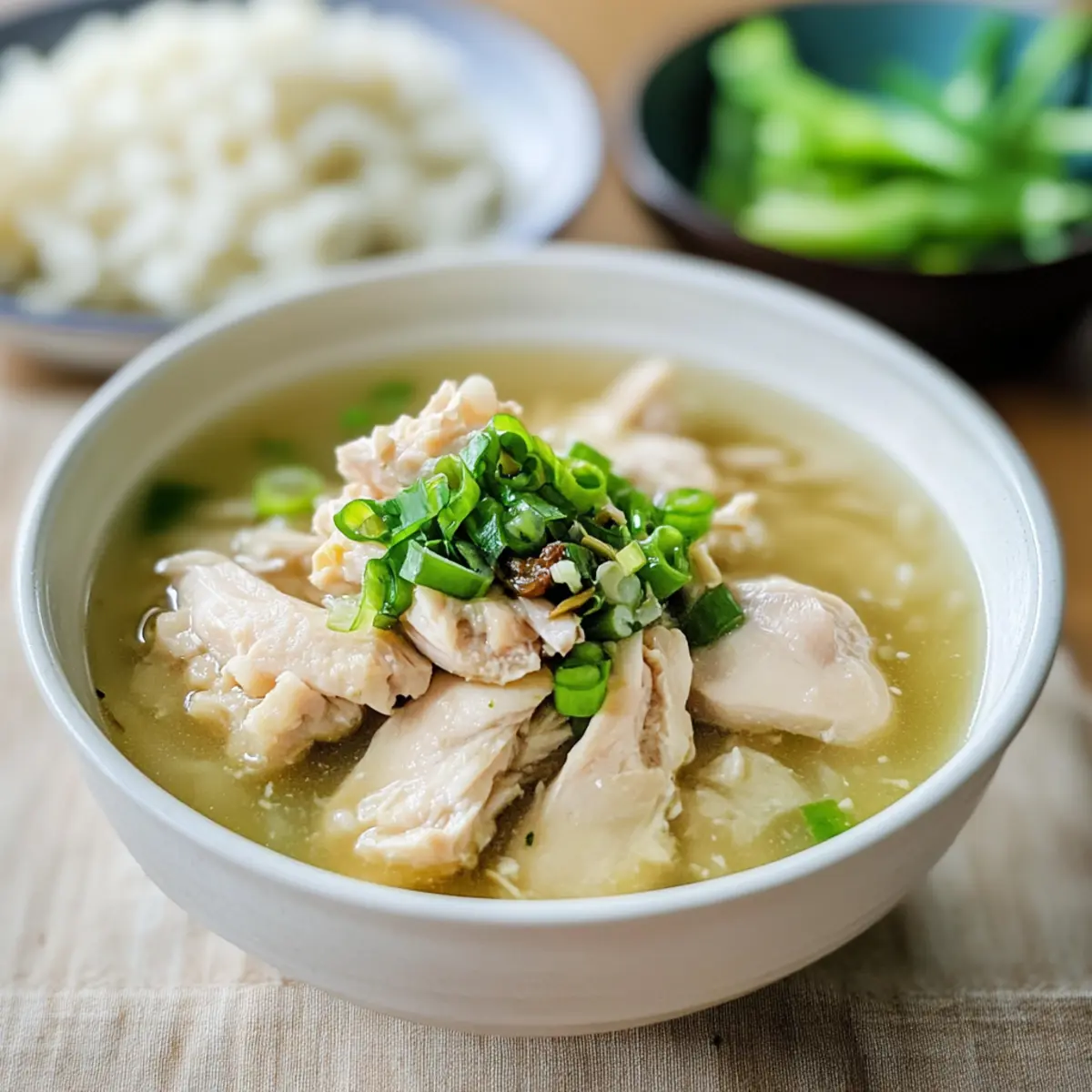
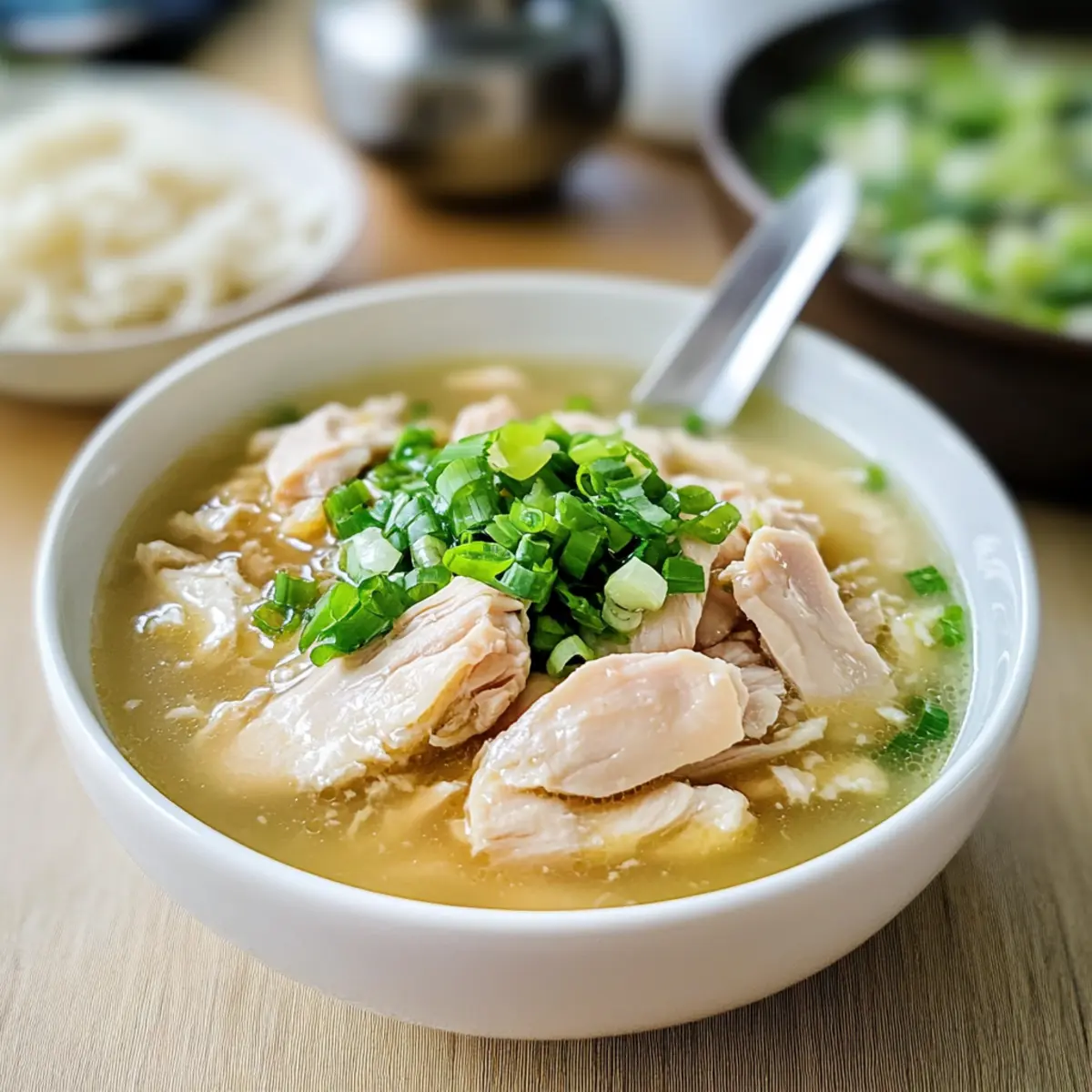
To serve, place a scoop of rice in each bowl and top with some of the shredded chicken. Ladle the hot, fragrant broth over the chicken and rice until everything is generously submerged. For an extra touch, garnish with finely chopped green parts of the scallions and season with salt to taste. Optional spicy sauce can add flavor if desired.
Make Ahead Options
Dakgomtang (Korean Chicken Soup) is perfect for busy weeknights and can easily be prepped in advance! You can clean and season the whole chicken and store it in the refrigerator for up to 24 hours, which allows the flavors to meld beautifully. Additionally, you can chop the garlic, ginger, and onion, storing them in an airtight container for up to 3 days before cooking. When you’re ready to enjoy your dakgomtang, simply place the chicken and vegetables in a pot, add water, and follow the cooking instructions as usual. This way, you’ll have a comforting, homemade meal with minimal effort, delivering just as delicious results!
Expert Tips for Dakgomtang
-
Choose Quality Chicken: Opt for a whole bone-in chicken for the best flavor; it ensures a richer, more comforting broth that enhances your dakgomtang.
-
Skimming Foam: Don’t skip skimming off the foam while boiling; it removes impurities that can cloud your broth and affect the taste.
-
Shred with Care: Let the chicken cool slightly before shredding to avoid burns; use two forks for a quick and easy method to achieve bite-sized pieces.
-
Simmer Longer if Possible: For an even richer flavor, simmering the broth for an extra 30-60 minutes can transform your dakgomtang into an unforgettable dish.
-
Adjust Spice Levels: Remember, you can control the heat! Add more or less gochugaru to suit your family’s preferences—the balance of spice makes all the difference.
-
Garnish for Flavor: Fresh scallions not only look beautiful but also add a burst of freshness. Don’t forget to sprinkle them generously on top before serving!
Dakgomtang Variations & Substitutions
Feel free to get creative with your dakgomtang by customizing the recipe to suit your tastes and pantry staples!
- Mild or Spicy: Adjust the amount of gochugaru to cater to your heat preference—add more for a fiery kick or less for a milder soup.
- Veggie Boost: Toss in napa cabbage or Korean radish for extra nourishment and a delightful crunch that complements the tender chicken beautifully.
- Different Cuts: For a different texture, switch from a whole chicken to chicken thighs or drumsticks, which are especially juicy and flavorful.
- Herb Infusion: Enhance your broth with fresh herbs such as basil or cilantro for a fragrant twist that brings freshness to each bowl.
- Nutty Flavor: A splash of sesame oil added just before serving can elevate your dakgomtang with a rich, nutty aroma you’ll love.
- Creamy Twist: Stir in a dollop of coconut cream for a rich, creamy broth that adds a subtle sweetness and makes the dish extra comforting.
- Quick Version: Using pre-cooked rotisserie chicken can speed up your preparation time while still yielding a flavorful dish for those busy weeknights.
- Textural Variation: Add wontons or dumplings for a fun texture that turns your dakgomtang into a heartier meal.
With these enjoyable tweaks, your dakgomtang can be a personal canvas of flavors—each bowl telling a unique, delicious story! For more delightful chicken recipes to explore, check out the Crispy Oven Baked Chicken Parmesan or Healthy Southwest Chicken Wraps with Avocado.
What to Serve with Hearty Korean Dakgomtang?
Pairing your comforting dakgomtang with the right sides elevates your meal, creating a full dining experience that warms both heart and soul.
- Steamed Rice: A classic companion, rice absorbs the rich broth beautifully, making every spoonful a harmonious delight.
- Kimchi: This spicy fermented side adds a tangy contrast, enhancing the soup’s flavors while providing probiotics for gut health.
- Vegetable Pancakes: Crispy and savory, these pancakes bring a satisfying crunch that complements the soup’s velvety texture. They’re perfect for dipping!
- Pickled Radishes: Crunchy and slightly sweet, these add brightness to the meal, balancing out the warmth of the dakgomtang.
- Sesame Spinach Salad: Fresh spinach dressed in sesame oil adds a refreshing, nutty flavor that contrasts wonderfully with the creamy broth.
- Hot Pepper Oil: Drizzling a bit over your dakgomtang adds an extra zing, allowing spice lovers to customize their experience.
- Fruity Soju: Pair your meal with a refreshing drink like fruity soju, which lightens the palate and adds a fun twist to traditional dining.
- Sweet Red Bean Dessert: End on a sweet note with this traditional treat, offering a delightful contrast after the heat of the meal.
- Steamed Dumplings: Stuffed with vegetables or meat, these provide an additional heartiness and can be a fun appetizer before diving into your soup.
How to Store and Freeze Dakgomtang
Fridge: Store leftover dakgomtang in an airtight container for up to 3 days. Allow it to cool completely before refrigerating to maintain its flavor and texture.
Freezer: For longer storage, freeze dakgomtang in individual servings for up to 3 months. Make sure to use freezer-safe containers or bags to prevent freezer burn.
Reheating: When ready to enjoy, reheat in a pot over medium heat until warmed through. Add a splash of water or chicken broth if the soup has thickened during storage.
Thawing: For frozen dakgomtang, thaw it overnight in the refrigerator or use the microwave’s defrost setting before reheating.
Dakgomtang (Korean Chicken Soup) Recipe FAQs
What type of chicken is best for dakgomtang?
Absolutely, I recommend using a whole bone-in chicken weighing between 3 to 4 pounds for the best flavor. The bones contribute to a richer, more comforting broth that’s the essence of good dakgomtang. If you’re short on time, boneless skinless chicken breasts can be used, but the broth will lack depth in flavor.
How should I store leftover dakgomtang?
Leftover dakgomtang can be stored in an airtight container in the refrigerator for up to 3 days. Be sure to let it cool completely before sealing it up, as this helps maintain the soup’s texture and flavor. When reheating, heat it slowly on the stove over medium heat to avoid scorching!
Can I freeze dakgomtang?
Certainly! Dakgomtang can be frozen for up to 3 months. For optimal freshness, ladle it into individual freezer-safe containers or bags, making sure to leave some space for expansion as it freezes. When you’re ready to enjoy it again, thaw the soup overnight in the refrigerator and reheat it gently before serving.
What’s the best way to ensure my broth is clear?
Skimming off the foam that forms on the surface while your broth is boiling is crucial! This process removes impurities that can cloud your broth. Use a ladle to gently skim off the foam, ensuring you’re left with a clear and beautiful soup, which is not only appealing but also enhances the overall flavor.
Are there any dietary considerations with dakgomtang?
Dakgomtang is naturally gluten-free, especially if you use gluten-free soy sauce for the spicy sauce. However, if you’re cooking for someone with severe allergies, always double-check the ingredient labels, especially for sauces. Also, be cautious with servings for pets; while small amounts of chicken are fine, avoid giving them broth that contains salt and spices.
How can I enhance the flavor of my soup?
For richer flavor, I often recommend simmering the broth longer—up to an additional 60 minutes after straining out the chicken. This extra time helps deepen the broth’s flavor. You can also tweak the spicy sauce by adjusting the amount of gochugaru to personalize the heat level to your liking!
Comforting Dakgomtang (Korean Chicken Soup) For Chilly Days
Ingredients
Equipment
Method
- Begin by cleaning the whole chicken under cold running water and removing any excess fat. In a large stock pot, place the chicken along with 10 cups of water, 10-12 garlic cloves, sliced ginger, half an onion, and the white parts of 2-3 scallions. If you enjoy additional depth, toss in ½ teaspoon of whole black peppercorns.
- Set the stock pot over high heat and bring the mixture to a vigorous boil. Skim off any impurities to create a clearer broth.
- Once boiling, reduce the heat to medium, cover, and let simmer gently for 40-50 minutes or until the chicken is tender.
- Carefully remove the chicken and shred the meat into bite-sized pieces, discarding the skin and bones.
- Return the bones to the pot and let the broth simmer for an additional 30-60 minutes, then strain the broth through a fine mesh sieve.
- Serve by placing a scoop of rice in each bowl, topping with shredded chicken, and ladling hot broth over. Garnish with finely chopped scallions.