Advertisement
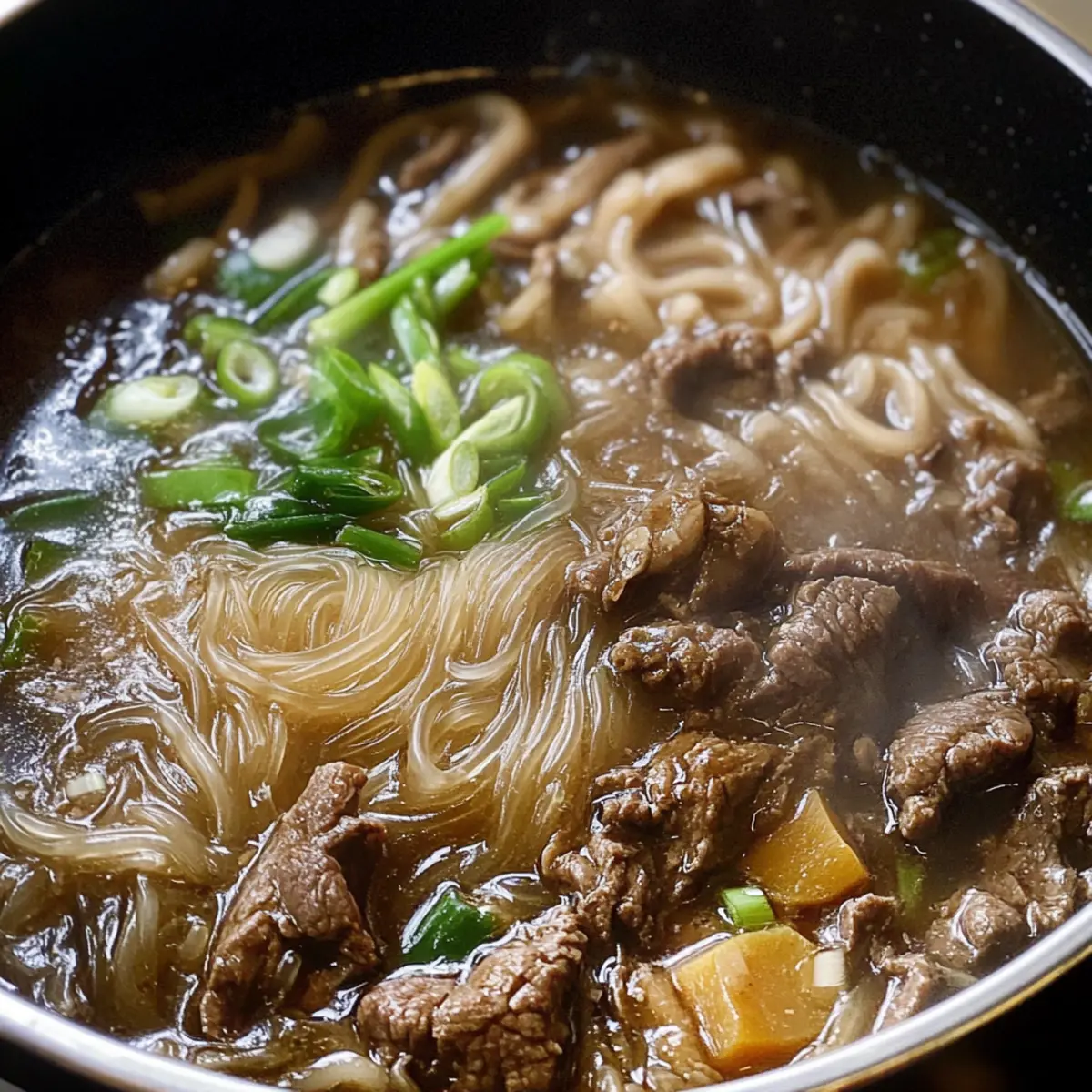
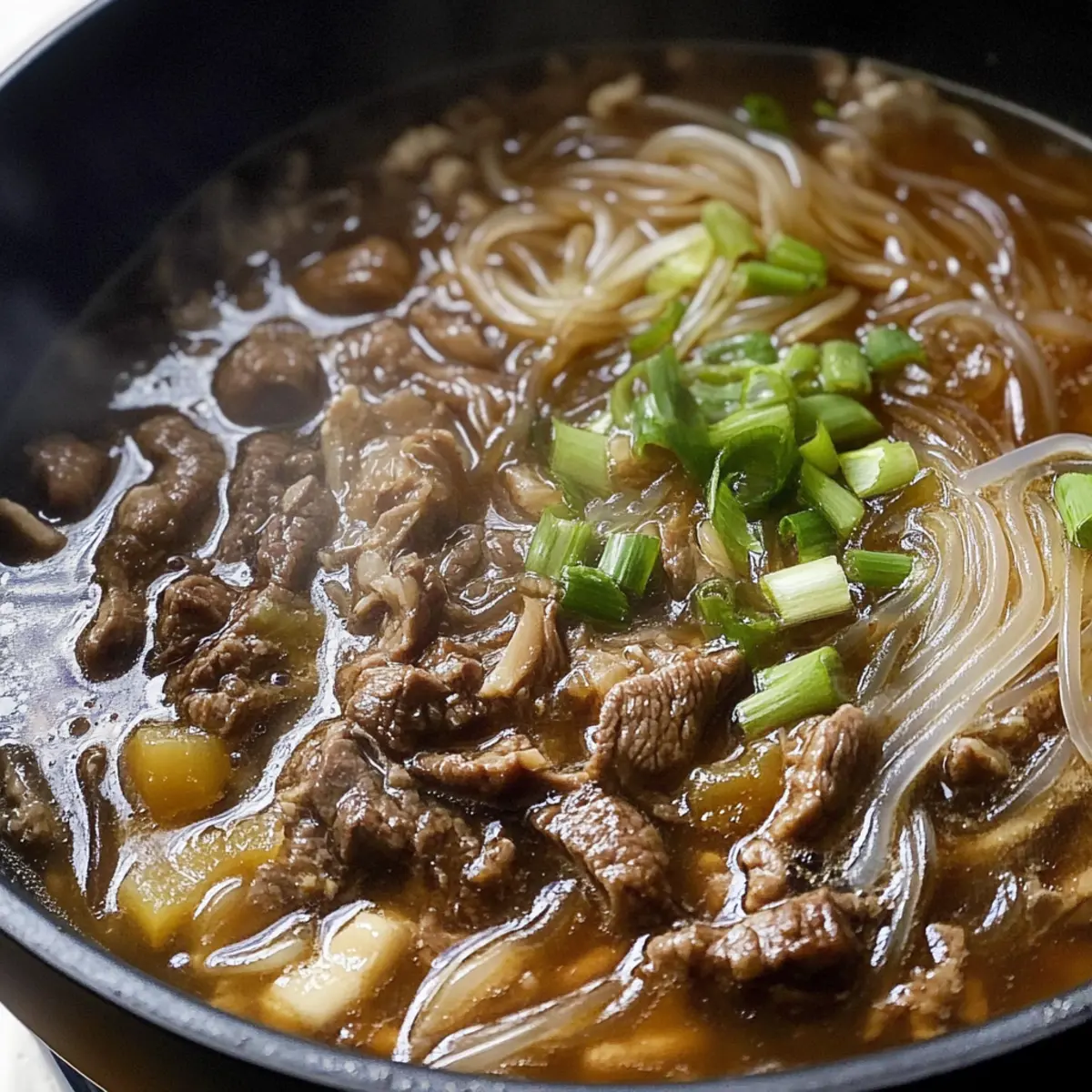
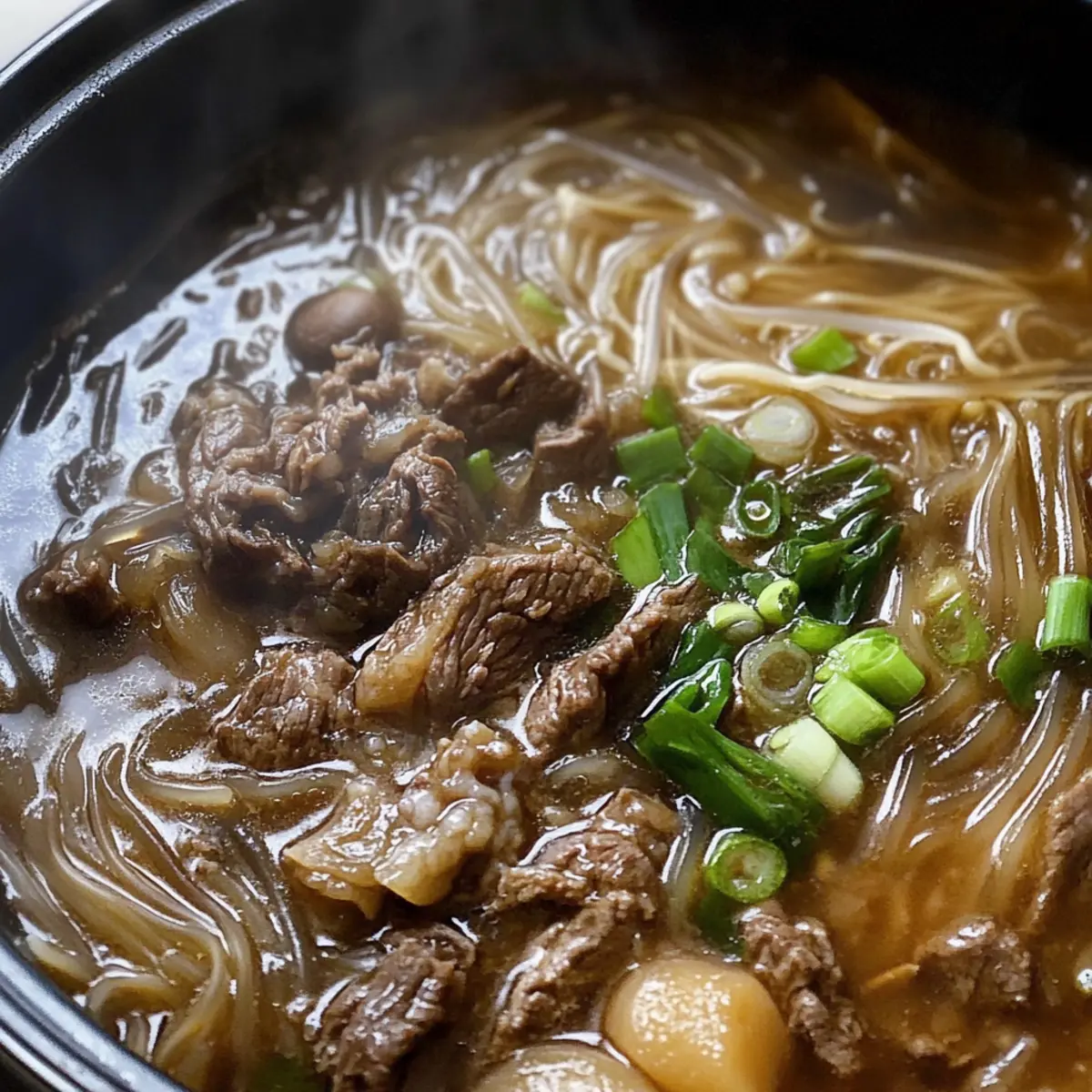
“Have you ever had that moment when you open the fridge and rush to find something to turn into a meal?” For me, it often leads to culinary magic, especially when leftover beef bulgogi is involved. Today, I’m excited to introduce you to my Quick Korean Beef Bulgogi Stew with Glass Noodles—a dish that takes your beloved bulgogi and transforms it into a hearty comfort food masterpiece. This stew is packed with tender beef, chewy sweet potato noodles, and a rich broth, perfect for cozy evenings. The best part? It comes together in under 30 minutes, making it an ideal choice for those busy weeknights when you crave something warm and satisfying without the hassle. Curious about how to whip up this flavorful dish? Let’s dive in!
Why is this stew a must-try?
Quick Preparation: This recipe takes under 30 minutes, making it perfect for busy evenings.
Flavor Packed: With the rich combination of beef bulgogi, sweet potato noodles, and a savory broth, every spoonful bursts with delicious Korean flavor.
Advertisement
Versatile Ingredients: You can easily customize with your favorite mushrooms or vegetables, like bok choy, for added nutrition.
Leftover Magic: Transforming leftover bulgogi into something entirely new adds excitement to mealtime without wasting food.
Crowd-Pleaser: Ideal for family dinners or when entertaining guests, this hearty stew is sure to impress everyone at the table.
For a sidekick, serve this with Mongolian Beef Noodles for an exciting flavor journey!
Korean Beef Bulgogi Stew Ingredients
• Here’s what you’ll need to create this delectable meal!
For the Stew
• Beef Bulgogi – This main protein source provides a sweet-savory flavor to the broth; feel free to use fresh or leftover bulgogi.
• Sweet Potato Noodles (Dangmyeon) – These add a chewy texture and absorb the delicious broth; you can substitute with rice noodles or udon if needed.
• Enoki Mushrooms – They deliver a tender-crisp texture and earthiness; shiitake or button mushrooms can be a great replacement.
• Green Onion – This ingredient brightens the dish with a fresh onion flavor; it’s an optional but tasty garnish.
• Water or Beef Broth – Serves as the base for the broth, enhancing the overall flavor; using beef broth yields a richer taste.
• Sesame Oil – Adds a delightful nutty flavor and depth; you can use olive oil in a pinch if needed.
• Dark Soy Sauce – Provides umami and saltiness for the stew; regular soy sauce works well if dark is unavailable.
Feel free to get creative—your Korean Beef Bulgogi Stew will be a comforting, hearty dish filled with irresistible flavors!
Step‑by‑Step Instructions for Korean Beef Bulgogi Stew
Step 1: Soak Noodles
Begin by soaking the sweet potato glass noodles in warm water for about 10 minutes, allowing them to soften and become pliable. This step is essential, as properly hydrated noodles will make your Korean Beef Bulgogi Stew hearty and satisfying. Once soaked, drain the noodles and set them aside until ready to add to the stew.
Step 2: Prepare Beef
In a medium pot, heat over medium heat and add the leftover beef bulgogi. Cook for about 4-5 minutes, stirring occasionally until the beef is warmed through and aromatic. This step enhances the flavor profile of the stew, as the savory scents of the bulgogi fill your kitchen—and your heart—promising a comforting meal ahead.
Step 3: Combine Flavors
Stir in 2 tablespoons of dark soy sauce and 1 tablespoon of sesame oil into the warmed beef bulgogi. Continue to cook for another 2-3 minutes, allowing the ingredients to meld together beautifully. The rich sauces will create a fragrant base for your stew, inviting a depth of flavor that’s truly mouthwatering.
Step 4: Add Broth
Pour in 4 cups of water or beef broth into the pot, raising the heat to bring the mixture to a rolling boil. Keep an eye on it, as this should take about 5 minutes of bubbling bliss. The steam will rise, and you’ll know your Korean Beef Bulgogi Stew is on its way to becoming a deliciously rich dish.
Step 5: Cook Noodles & Toppings
Once the broth is boiling, add the soaked glass noodles and 1 cup of enoki mushrooms to the pot. Let them cook for 3-4 minutes, gently stirring until the noodles are tender and the mushrooms have softened. The irresistible aroma will fill your kitchen as all the flavors come together into a heartwarming stew.
Step 6: Garnish & Serve
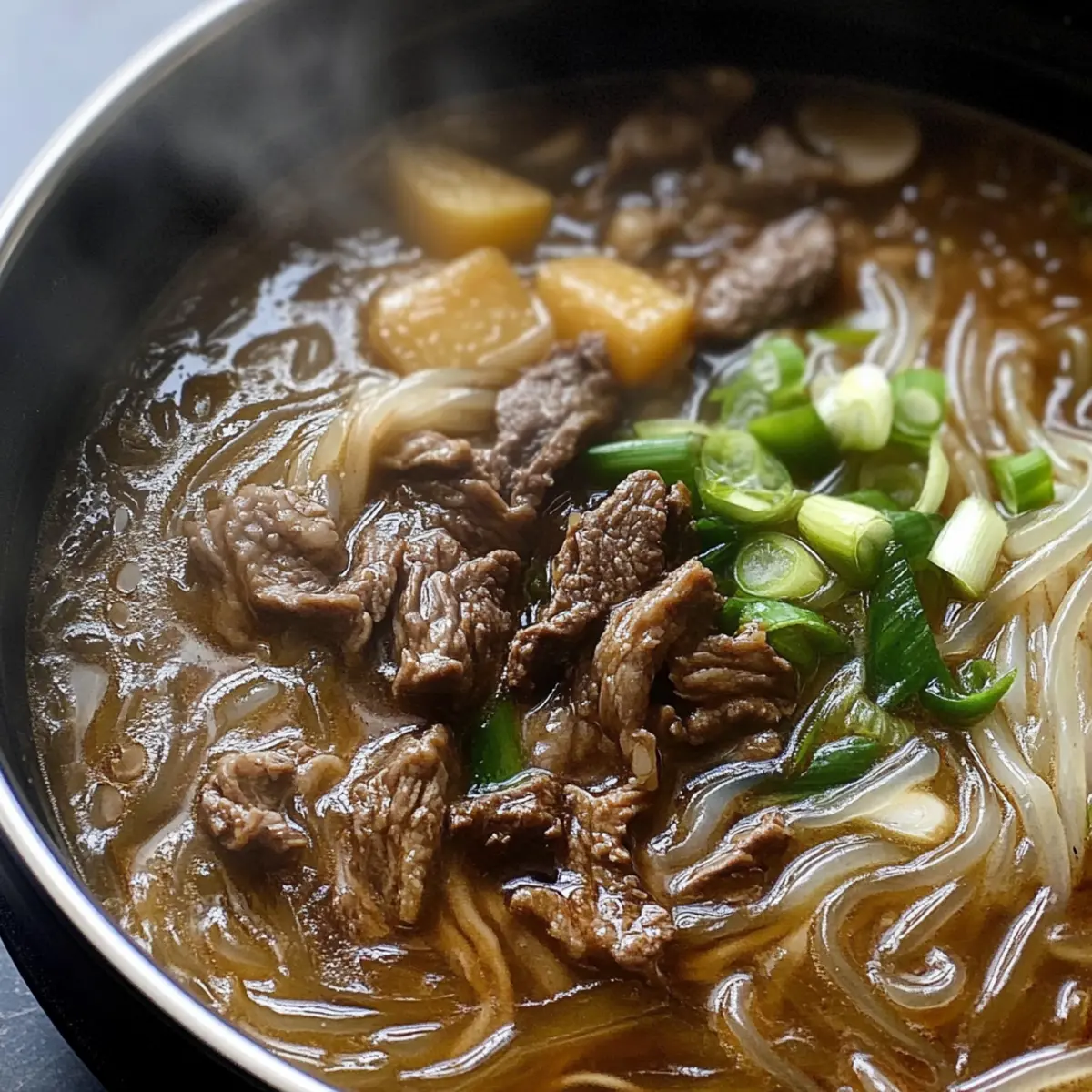
Finally, remove the stew from the heat and ladle it into bowls. Finish off by sprinkling chopped green onions on top for a vibrant touch. Serve your Korean Beef Bulgogi Stew hot, and enjoy the cozy, comforting warmth of this delightful meal, perfect for busy weeknights or any time you crave a taste of home.
Storage Tips for Korean Beef Bulgogi Stew
-
Room Temperature: Best enjoyed fresh, let the stew cool down to room temperature before storing it; avoid leaving it out for more than 2 hours for safety.
-
Fridge: Store leftovers in an airtight container in the refrigerator for up to 2 days; this allows you to enjoy your delicious Korean Beef Bulgogi Stew again without losing flavor.
-
Freezer: If you want to store it longer, freeze the stew for up to 3 months in a freezer-safe container; make sure to leave some space for expansion.
-
Reheating: Reheat your stew gently on the stovetop with a splash of water to restore its consistency, bringing back the savory broth and making it feel fresh again!
What to Serve with Quick Korean Beef Bulgogi Stew
A hearty dish like this stew deserves perfect companions to complete your meal experience in a satisfying way.
-
Steamed Rice: The classic pairing that soaks up the rich broth, providing a neutral base that balances the stew’s vibrant flavors.
-
Kimchi: This beloved Korean side dish adds a spicy crunch, enhancing the soup’s warmth with fermented depth and lively zing.
-
Seasoned Spinach: Sautéed with sesame oil and garlic, this fresh green side brings a nutritional pop and contrasting texture to your meal.
-
Cucumber Salad: A refreshing, crisp salad dressed in vinegar and sugar to cut through the warmth of the stew, adding a vibrant note.
-
Pickled Radish: This tangy taste enhances your meal with its crunch and tartness, acting as a perfect palate cleanser alongside the rich stew.
-
Fruit-Infused Iced Tea: A light, citrusy beverage like lemon or peach iced tea refreshes your palate, making the heartiness of the stew more enjoyable.
These accompaniments add layers of flavor and texture, creating a well-rounded dining experience!
Korean Beef Bulgogi Stew Variations
Feel free to personalize your Korean Beef Bulgogi Stew with these delightful twists and substitutions!
- Noodle Swap: Replace sweet potato noodles with traditional ramen or miso noodles for a different texture and flavor experience.
- Vegetable Boost: Add colorful vegetables, like carrots or bell peppers, to enhance nutrition and add a beautiful pop of color to your stew.
- Herb Kick: Toss in fresh herbs like cilantro or basil for a bright and fragrant kick—these herbs create a lovely contrast with the savory flavors.
- Spicy Touch: Add sliced chili peppers or a dash of chili paste to heat things up for those who like a little zing in their meals.
- Mushroom Mix: Substitute enoki mushrooms with shiitake or button mushrooms for varied textures and earthy flavors—each option changes the flavor profile nicely.
- Broth Base Variation: Experiment using vegetable broth instead of beef broth for a lighter, vegetarian-friendly version that still delivers comforting warmth.
- Creamy Flavor: For a twist, add a splash of coconut milk to your broth; it adds creaminess and a subtle sweetness that complements the savory elements beautifully.
- Sweet Yi: Drizzle some honey or maple syrup to balance out the savory notes. This little touch invites a delightful contrast that many will adore.
If you’re looking for more culinary inspiration, check out my Mongolian Ground Beef or Stovetop Ground Beef recipes for delightful meal ideas!
Make Ahead Options
Preparing your Korean Beef Bulgogi Stew in advance is a smart way to save time on busy nights! You can make the beef bulgogi up to 3 days ahead of time; simply cook it, cool it completely, and store it in an airtight container in the refrigerator. The glass noodles can also be soaked ahead of time—just keep them in warm water for up to 24 hours in the fridge to maintain their texture. When you’re ready to enjoy your stew, reheat the bulgogi on the stovetop for a few minutes, add in your broth, and then stir in the soaked noodles and mushrooms. This ensures your meal is just as delicious and comforting, providing a quick and satisfying option for any busy household!
Expert Tips for Korean Beef Bulgogi Stew
-
Noodle Soaking: Ensure the sweet potato glass noodles are fully soaked before cooking; this guarantees they achieve that perfect chewy texture in your stew.
-
Beef Flavor Boost: Using well-marinated beef bulgogi not only enhances the stew’s flavor but also saves time. If using leftovers, warm them thoroughly for the best taste!
-
Vegetable Variations: Don’t hesitate to add other vegetables, like bok choy or bell peppers; they elevate the stew’s nutritional profile and add delightful textures.
-
Broth Base Choice: Opt for beef broth instead of water for a richer, more satisfying flavor; however, veggie broth can be a fantastic alternative for a lighter dish.
-
Store & Reheat: If you have leftovers, store them in an airtight container in the fridge. Reheat on the stovetop with a splash of water for an even consistency in your Korean Beef Bulgogi Stew.
Korean Beef Bulgogi Stew Recipe FAQs
How do I select the best beef bulgogi for the stew?
Absolutely! When choosing beef bulgogi, look for cuts that are well-marinated and tender, such as ribeye or sirloin. If using leftovers, ensure they are from a recent preparation, as this maximizes flavor. Fresh beef bulgogi should have a vibrant color and a pleasant aroma, which indicates high quality.
How should I store leftover Korean Beef Bulgogi Stew?
To keep your stew fresh, allow it to cool to room temperature and then transfer it to an airtight container. It can be stored in the refrigerator for up to 2 days. Just reheat it on the stovetop with a splash of water to maintain the consistency and flavor.
Can I freeze Korean Beef Bulgogi Stew for later use?
Yes, you can! Freeze the stew in a freezer-safe container for up to 3 months. When freezing, make sure to leave some space at the top of the container for the stew to expand. To reheat, thaw overnight in the fridge and warm gently on the stove with a little added water for the best results.
What should I do if my stew is too salty?
If your stew ends up being too salty, don’t worry! You can add a little water or low-sodium broth to help dilute the saltiness. Additionally, adding a few slices of raw potato can absorb excess salt—just remove the potato after about 15-20 minutes of cooking. Taste and adjust until it’s just right!
Is this recipe suitable for those with gluten allergies?
While traditional ingredients in Korean Beef Bulgogi Stew include soy sauce, which contains gluten, you can easily substitute with gluten-free soy sauce or tamari. Additionally, make sure your sweet potato noodles are certified gluten-free, and you can enjoy this delicious stew without worry!
What can I use if I can’t find sweet potato glass noodles?
Very! If sweet potato glass noodles are hard to find, you can use rice noodles or even udon noodles as a substitute. Both alternatives will provide a satisfying texture, but make sure to adjust the cooking time according to the package instructions for the best outcome.
Savory Korean Beef Bulgogi Stew in Just 30 Minutes
Ingredients
Equipment
Method
- Soak the sweet potato glass noodles in warm water for about 10 minutes. Drain and set aside.
- In a medium pot, heat and add the leftover beef bulgogi. Cook for about 4-5 minutes until warmed through.
- Stir in the dark soy sauce and sesame oil, cooking for another 2-3 minutes.
- Pour in the water or beef broth and bring to a rolling boil, about 5 minutes.
- Add the soaked glass noodles and enoki mushrooms. Cook for 3-4 minutes until noodles are tender.
- Remove from heat and garnish with chopped green onions before serving.