Advertisement
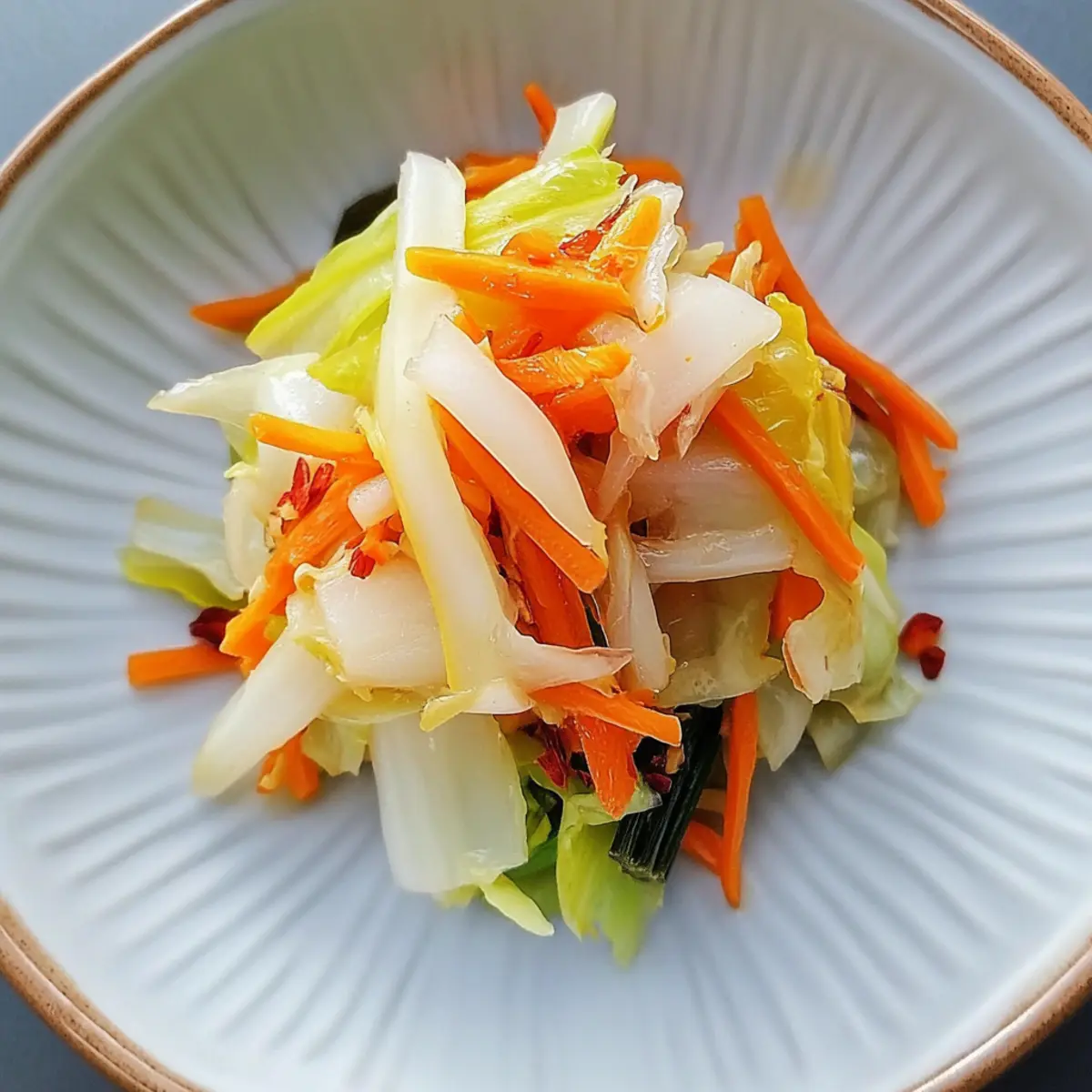
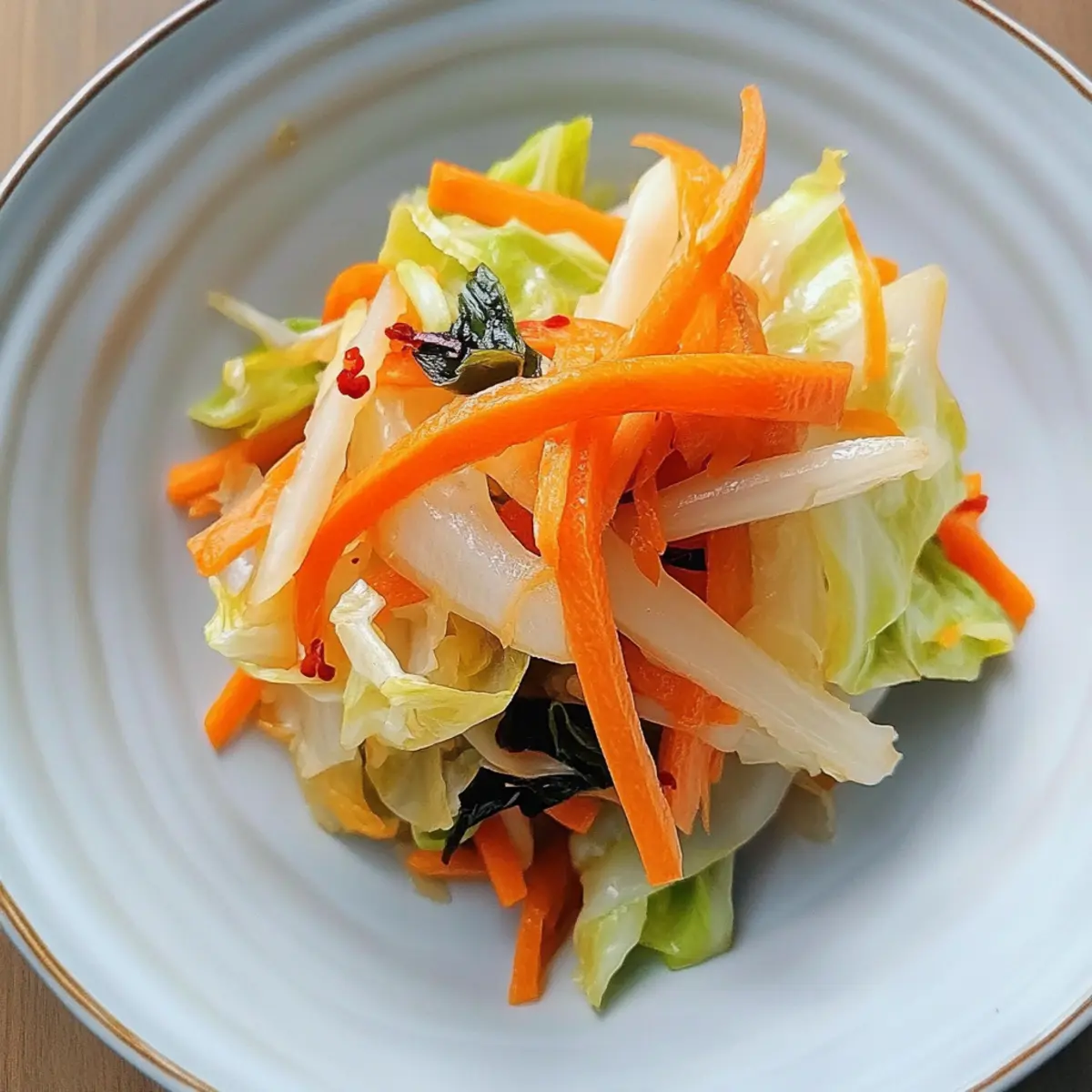
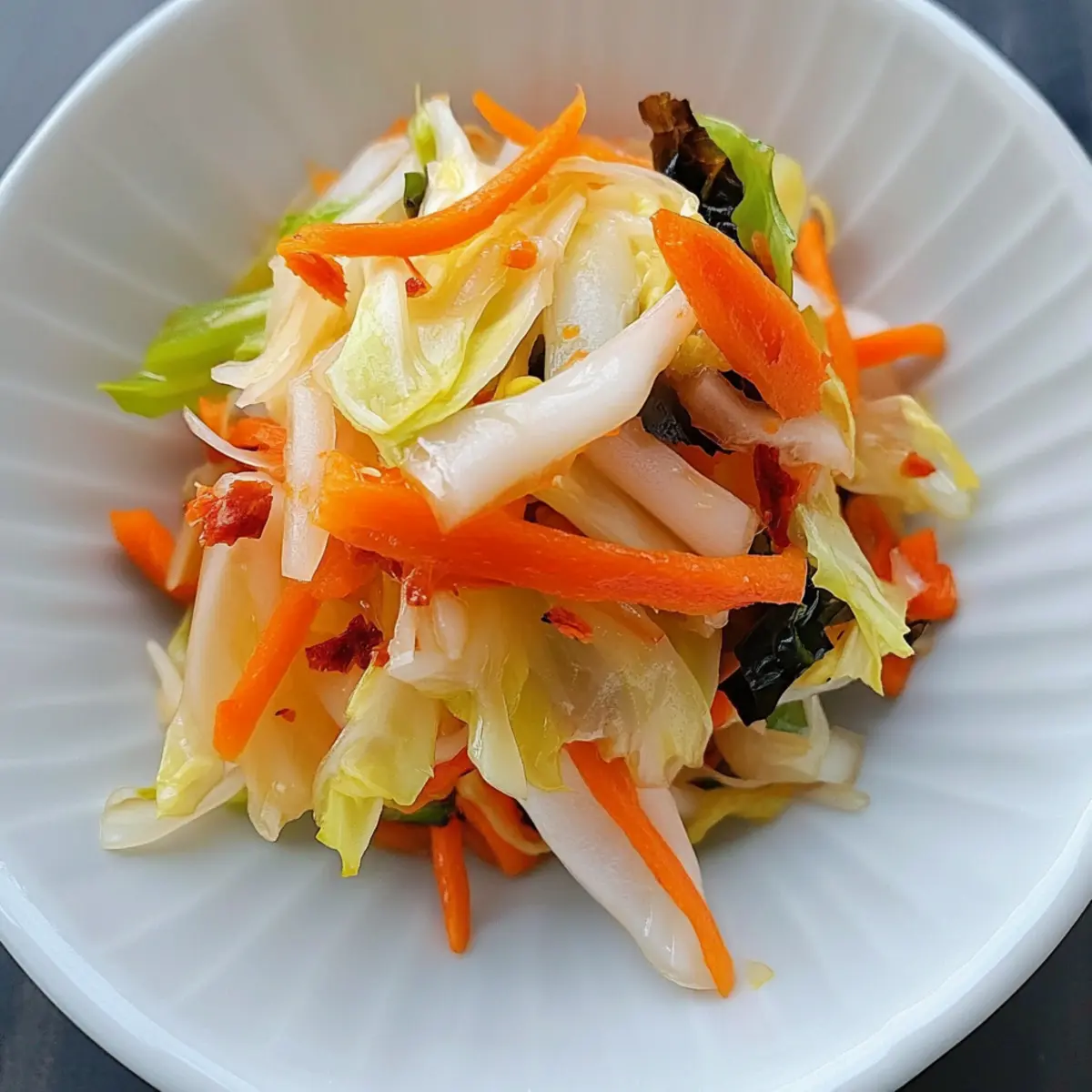
As I opened the fridge one sweltering afternoon, I was struck by the leftover napa cabbage staring back at me, begging for attention. It was time for a tasty transformation into Quick and Easy Asazuke (Japanese Pickled Cabbage). This delightful dish not only comes together in just a few hours but also packs a low-calorie punch that’s perfect for those looking to spice up their meals without the fuss. The bright crunch of this pickled cabbage makes it an excellent side for everything from grilled meats to simple rice bowls, ensuring it complements any dining experience. Plus, its vibrant colors will definitely brighten up your plate! Want to discover just how simple it is to create this refreshing treat? Let’s dive in!
Why is Asazuke So Irresistible?
Quick preparation: This recipe requires minimal effort, making it perfect for busy cooks who want a refreshing side dish without spending all day in the kitchen.
Crisp and Crunchy: The textures of napa cabbage and carrots create a delightful contrast, ensuring every bite is truly satisfying.
Advertisement
Flavor-packed goodness: The combination of ginger, scallions, and a hint of heat from chili peppers delivers a delicious umami boost, elevating your meals effortlessly.
Versatile pairing: Asazuke complements a wide range of dishes, from grilled meats to vegetarian options, and makes a fantastic addition to your sushi nights.
Low-calorie options: This pickled delight is not only tasty but also healthy, rich in vitamins A and C—perfect for those seeking lighter meal options. Ready to explore other quick side dishes? Check out our guide on easy vegetable sides!
Asazuke (Japanese Pickled Cabbage) Ingredients
Get ready to pickle in no time!
For the Pickles
- Napa Cabbage – The star of the dish, providing bulk and crunch; feel free to swap it for Japanese cucumbers or daikon radish for fun twists.
- Carrots – Add a touch of sweetness and vibrant color; julienne them for efficient pickling.
- Scallions – Offer a mild onion flavor to the mix; chop them finely so they blend seamlessly with the cabbage.
- Ginger – Gives a spicy aroma; mince it for a flavorful punch in every bite.
- Salt – A crucial ingredient for drawing out moisture; ensure to use about 3% of the total weight of vegetables for the best results.
- Dried Chili Peppers – Introduces a subtle heat; omit them if you prefer a milder flavor profile.
- Konbu – Adds a rich umami flavor to your pickles; cut into strips for easier integration.
With these simple ingredients in hand, you’re just moments away from enjoying a batch of vibrant and crunchy Asazuke (Japanese Pickled Cabbage)!
Step‑by‑Step Instructions for Asazuke (Japanese Pickled Cabbage)
Step 1: Prep Vegetables
Begin by prepping the vegetables for your Asazuke. Cut the napa cabbage into 2-inch pieces, ensuring they’re bite-sized for an easy crunch. Julienne the carrots to enhance their sweetness and vibrant color, and finely chop the scallions for a mild onion flavor. Finally, mince a small piece of ginger to contribute its spicy aroma to the mix.
Step 2: Combine Ingredients
In a large zip-top bag, combine the napa cabbage, carrots, scallions, minced ginger, and salt. Sprinkle in the dried chili peppers for a touch of heat and place the konbu strips alongside. Gently toss the ingredients in the bag, mixing them well to ensure the vegetables are evenly coated with salt, which helps in drawing out moisture.
Step 3: Seal and Press
Remove as much air as possible from the zip-top bag before sealing it tightly. Place the bag on a tray to catch any potential drips, and weigh it down using a smaller tray or heavy objects. This will help press the vegetables and accelerate the pickling process, creating a delicious Asazuke in no time.
Step 4: Pickling Time
Allow the bag to rest at room temperature for about 2 to 4 hours, or refrigerate it overnight for deeper flavors. During this time, the napa cabbage will become translucent, and you’ll notice a significant amount of liquid forming, indicating the salt is doing its magic in creating a brine for your pickles.
Step 5: Store
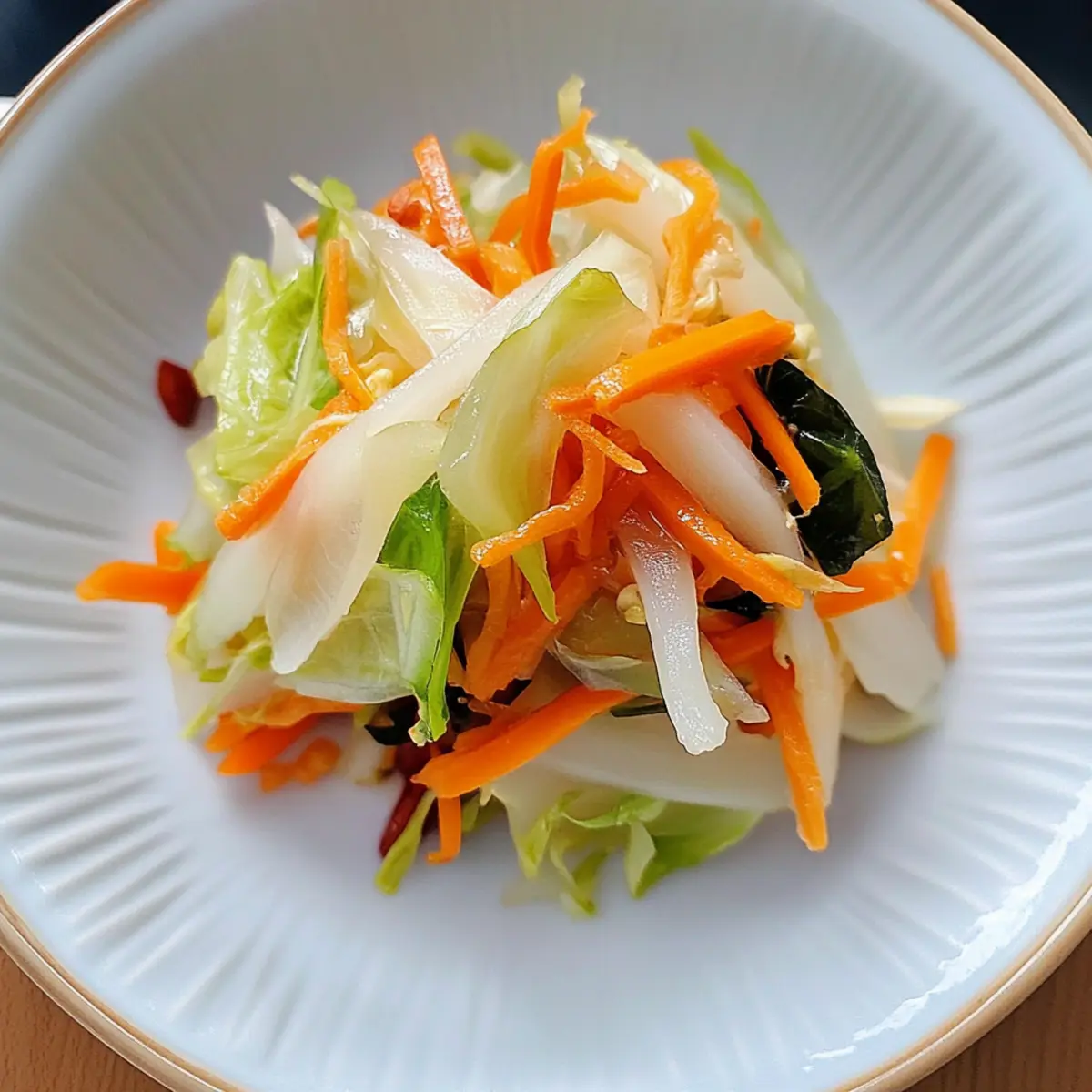
After the pickling period is complete, drain any excess brine from the bag. Carefully transfer the vibrant pickles into an airtight container for storage. Your homemade Asazuke (Japanese Pickled Cabbage) is best enjoyed fresh, ideally within 2-3 days, as it will retain its crispness and delightful flavor for your meals.
Expert Tips for Asazuke (Japanese Pickled Cabbage)
• Measure Ingredients: Accurate measurements ensure proper pickling; always maintain the 3% salt ratio based on total vegetable weight.
• Pressing Matters: Using weights effectively expedites the pickling process and ensures even flavor distribution, enhancing your Asazuke’s taste.
• Flavor Checks: When allowing for lacto-fermentation, periodically taste your pickles; this helps you achieve the desired level of tanginess without overpowering flavors.
• Use Fresh Veggies: Choose the freshest napa cabbage and carrots available; quality ingredients lead to the best and crispiest results in your pickles.
• Experiment with Varieties: Feel free to mix in different crunchy vegetables or herbs to create unique flavor profiles in your Asazuke, keeping things exciting at the table!
Make Ahead Options
Making Asazuke (Japanese Pickled Cabbage) is a wonderful time-saver for busy home cooks! You can prep the vegetables—napa cabbage, carrots, scallions, and ginger—up to 24 hours in advance. Just chop and mix them with salt in a zip-top bag, then seal and refrigerate. This way, the flavors meld beautifully while you go about your day. When you’re ready to serve, simply remove the bag, allow it to pickle at room temperature for a few hours (or refrigerate overnight for deeper flavor), and then drain the excess brine before transferring to an airtight container. Your pickles will maintain their delightful crunch and taste as fresh as ever, perfect for busy weeknights!
Storage Tips for Asazuke (Japanese Pickled Cabbage)
Fridge: Transfer your Asazuke into an airtight container and store it in the refrigerator to maintain its crispness; best consumed within 2-3 days for optimal flavor.
Freezer: While not ideal for freezing, if you must, store it in a freezer-safe container; however, be aware the texture may be compromised, and use within 1 month.
Reheating: Asazuke is best enjoyed cold, so there’s no need to reheat; simply serve it straight from the fridge for a refreshing bite.
Airtight Storage: Always ensure your container is tightly sealed to prevent air exposure, which can lead to loss of flavor and crispness over time.
Asazuke (Japanese Pickled Cabbage) Variations & Substitutions
Customize your Asazuke for different tastes and dietary needs with these delightful twists!
- Daikon Radish: Replace napa cabbage with daikon radish for a firmer, crunchier bite. The radish’s distinct flavor adds an exciting dimension!
- Japanese Cucumbers: These provide a refreshing crunch and a complementary flavor, making your Asazuke even more invigorating. Ideal for summer meals!
- Green Shiso Leaves: Incorporate finely chopped shiso leaves for a burst of herbaceous flavor that transforms the pickle into a fragrant delight, reminiscent of traditional Japanese cooking.
- Sesame Seeds: Add toasted sesame seeds for a nutty crunch and visual appeal. They bring rich, layered flavor to your pickles, making them a gourmet side.
- Vinegar Swap: For a tangier twist, mix in rice vinegar with the salt to create a bright, zesty pickled taste. This enhances the acidity and brings balance to the dish.
- Spicy Variation: Add more dried chili peppers or use fresh sliced ones to elevate the heat level. This works wonders for those who crave a fiery kick in their pickles!
- Honey or Maple Syrup (for sweetness): Drizzle a bit of honey or maple syrup to soften the saltiness and add a touch of natural sweetness, perfect for those who love a sweet-savory balance.
- Garlic Infusion: Toss in minced garlic for an aromatic bite that deepens the complexity of flavors, pairing wonderfully with rich main dishes. It’s a game-changer for garlic lovers!
With these variations and substitutions at your fingertips, your journey with Asazuke can be as boundless as your imagination! For more ways to explore Japanese flavors, check out our guides to fermented vegetables and quick pickling tips. Enjoy experimenting!
What to Serve with Quick and Easy Asazuke (Japanese Pickled Cabbage)
Dive into a vibrant culinary adventure as you explore perfect pairings for this refreshing side dish.
-
Grilled Salmon: The rich, savory flavors of grilled salmon balance the crispness of Asazuke, creating a delightful contrast in textures and tastes.
-
Steamed Rice: Fluffy white rice serves as the perfect neutral background, allowing the Asazuke to shine bright with every tangy bite.
-
Tempura Vegetables: The light, crispy batter of tempura complements the crunchy pickles, presenting a light and enjoyable platter.
-
Miso Soup: A warm, soothing bowl of miso soup adds depth to your meal, harmonizing wonderfully with the acidity of the pickled cabbage.
-
Teriyaki Chicken: Sweet and savory teriyaki chicken pairs beautifully, enhancing each mouthful of Asazuke with its rich, umami flavors.
-
Japanese Beer or Sake: Sip a chilled glass to enhance your meal experience, as the lightness of the beverage refreshes your palate between bites.
-
Sesame Noodles: Cold sesame noodles provide a nutty warmth that contrasts nicely with the zingy crunch of the Asazuke, creating a balanced combination.
-
Chilled Tofu: Simple and refreshing, chilled tofu adds a silky texture that offsets the crispiness of the pickled cabbage, making for a satisfying pairing.
Asazuke (Japanese Pickled Cabbage) Recipe FAQs
What kind of napa cabbage should I use?
Absolutely! For the best Asazuke, choose fresh napa cabbage with vibrant green leaves and no dark spots. Look for heads that feel heavy for their size and are free from blemishes. The crunchier the cabbage, the better your pickles will be!
How should I store my Asazuke?
To keep your Asazuke at its best, transfer it to an airtight container and store it in the refrigerator. It’s best enjoyed within 2-3 days, as this maintains the crispness and flavor. If you notice the vegetables beginning to lose their texture, it’s time to say goodbye!
Can I freeze Asazuke?
While it’s not ideal, you can freeze Asazuke to extend its shelf life. To do this, place it in an airtight freezer-safe container, taking care to eliminate as much air as possible. However, be aware that freezing may alter its crunchiness and flavor; it’s best used within 1 month if frozen.
What should I do if my Asazuke tastes too salty?
Very! If your Asazuke turns out too salty for your liking, you can rinse the pickles under cold water to reduce the saltiness. Additionally, consider adding fresh vegetables to the mix to balance the flavor. It’s all about adjusting to your taste preferences!
Is Asazuke safe for my dog?
Asazuke is not recommended for dogs because it contains salt and additional ingredients that may not be suitable for their diet. Always consult your veterinarian if you’re unsure about giving any human food to your pets and prioritize their health!
Can I customize my Asazuke with other vegetables?
Of course! One of the beauties of Asazuke is its versatility. Feel free to mix in sliced cucumbers, shredded radish, or even some herbs like shiso leaves for extra flavor. The more, the merrier in this refreshing pickle party!
Quick & Crunchy Asazuke (Japanese Pickled Cabbage) Recipe
Ingredients
Equipment
Method
- Begin by prepping the vegetables for your Asazuke. Cut the napa cabbage into 2-inch pieces. Julienne the carrots and finely chop the scallions. Mince the ginger.
- In a large zip-top bag, combine the napa cabbage, carrots, scallions, minced ginger, and salt. Add the dried chili peppers and konbu strips. Mix well.
- Seal the zip-top bag, removing as much air as possible. Place it on a tray to catch drips, and weigh it down with a smaller tray or heavy objects.
- Allow the bag to rest at room temperature for about 2 to 4 hours, or refrigerate overnight for deeper flavors.
- After pickling, drain excess brine and transfer the pickles into an airtight container. Enjoy fresh within 2-3 days.