Advertisement
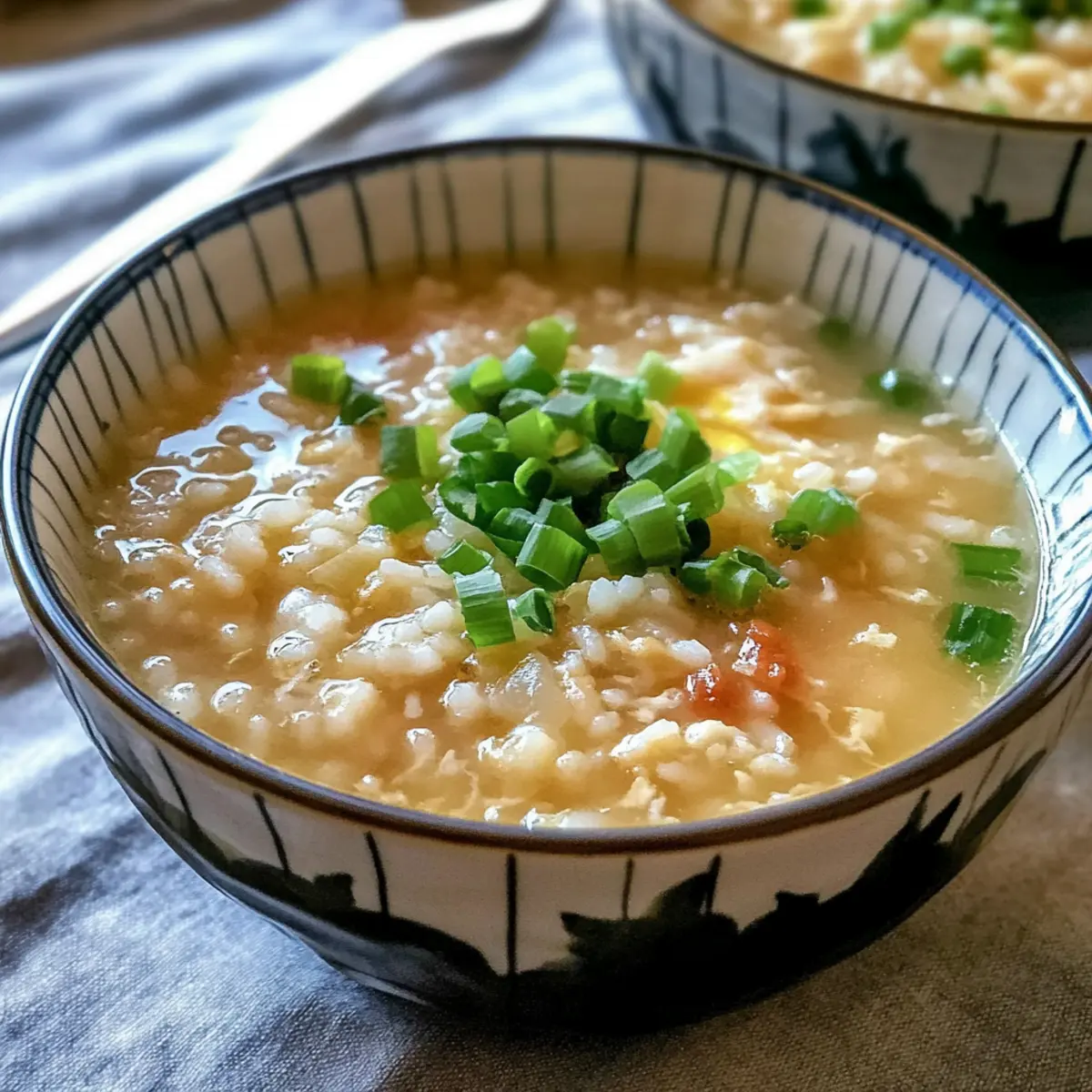
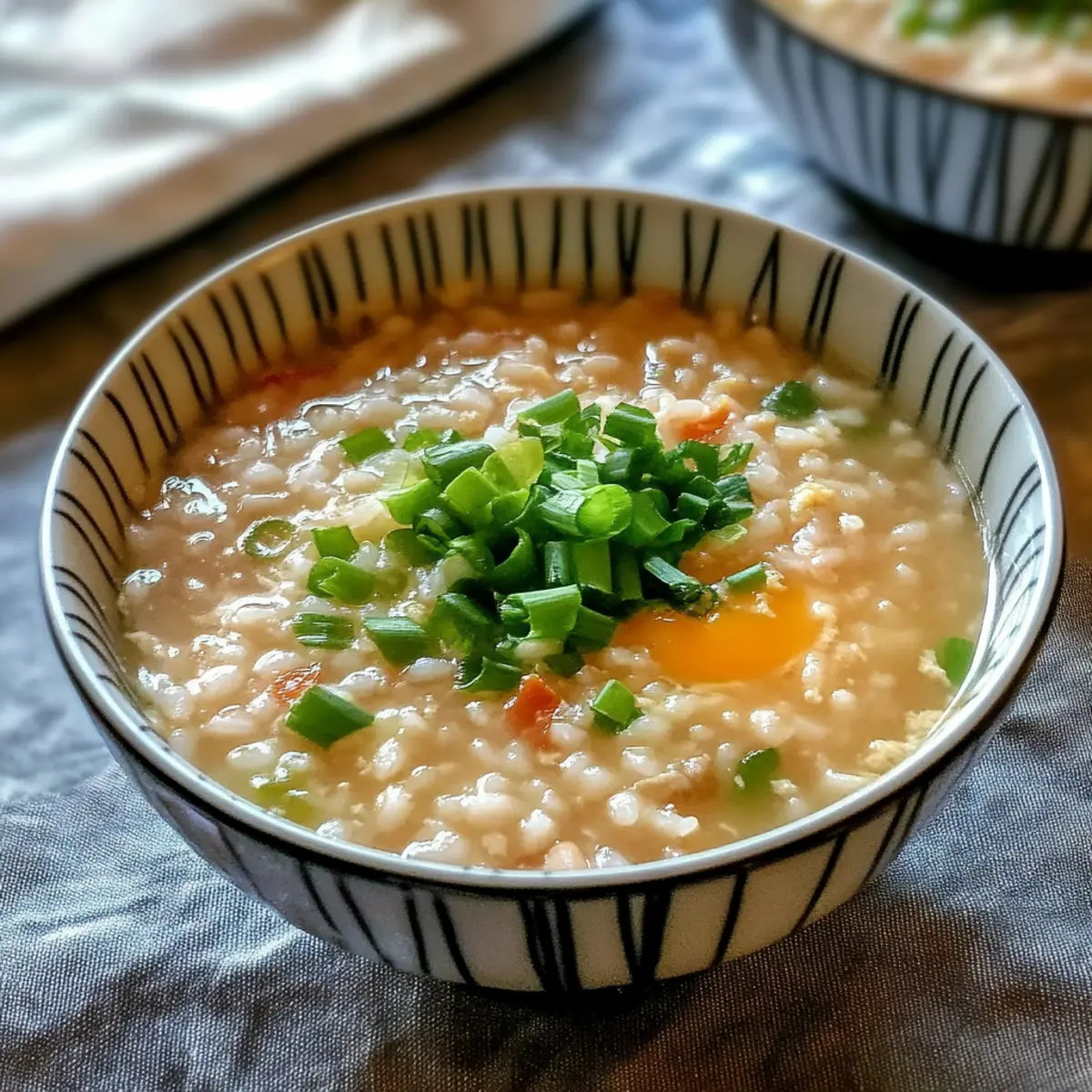
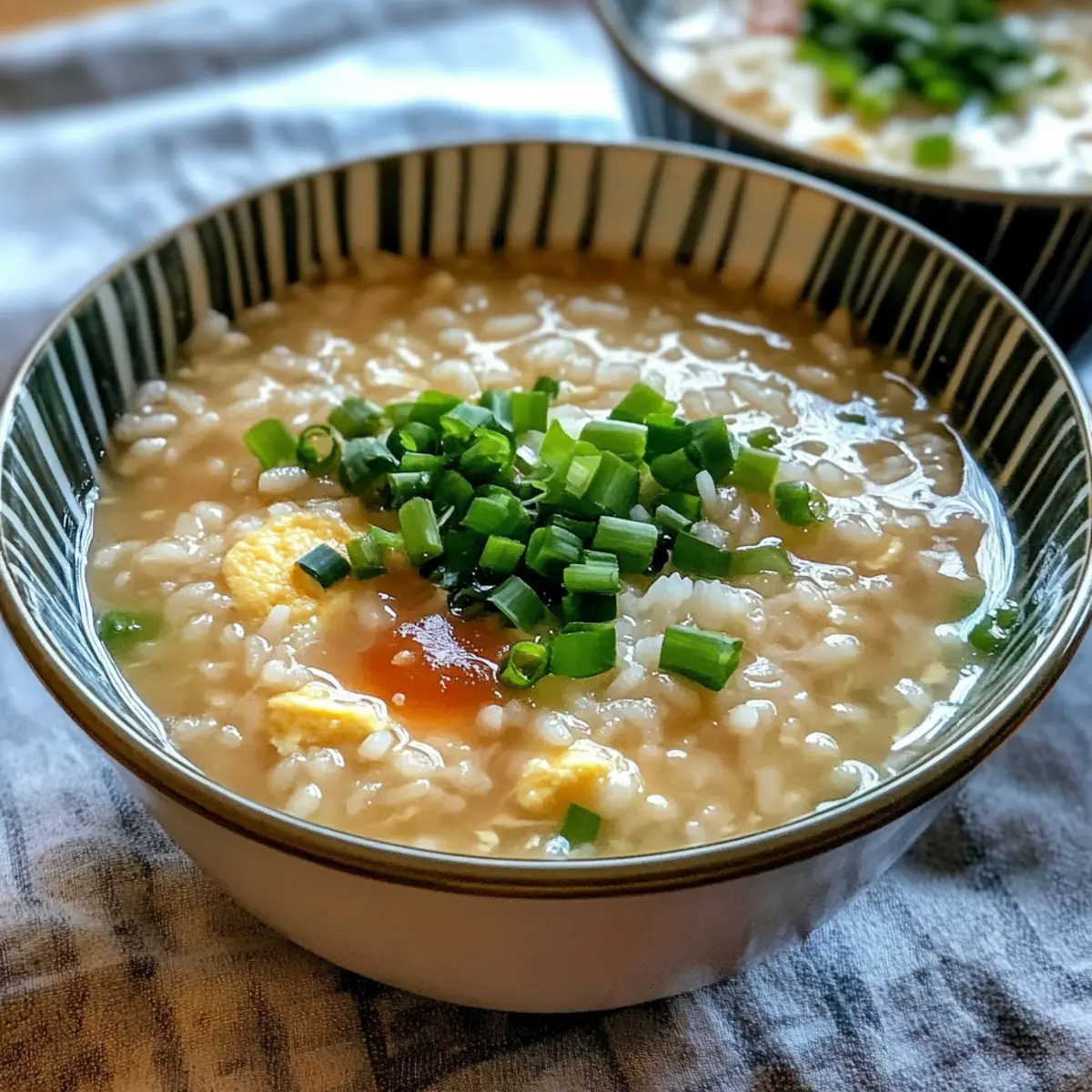
With chilly evenings drawing in, I find myself gravitating towards dishes that wrap me in a hug, and nothing says comfort quite like a bowl of 10-Minute Zosui, a delightful Japanese rice soup. This recipe is a true lifesaver for those busy nights when you crave a nourishing meal but don’t want to spend hours in the kitchen. In just ten minutes, you can savor a soothing blend of savory broth, fluffy rice, and tender egg ribbons, all elegantly elevated by fragrant ginger. Even better, this dish is customizable to your heart’s desire, making it a fantastic option for feeding the family or just yourself. Whether you prefer a gluten-free twist or want to throw in your favorite veggies, this Zosui adapts perfectly. What comforting additions will you stir into your bowl today?

Why is Zosui the Ultimate Comfort Food?
Unmatched Simplicity: This recipe is perfect for busy evenings, ready in just ten minutes.
Customizable Goodness: Feel free to personalize your Zosui with favorite veggies or proteins, ensuring everyone gets what they love.
Advertisement
Nurturing Nutrition: With low calories and a nourishing broth, it’s the perfect guilt-free option.
A Culinary Hug: Savor the warmth and soothing flavors that make this Japanese rice soup a family favorite.
Feel free to explore more quick recipes or add your twist with optional ingredients!
Japanese Rice Soup Ingredients
• Perfect for your quick meal cravings!
For the Soup Base
- Cooked Rice – The essential foundation for a comforting Japanese rice soup; leftover rice makes it even better!
- Low-Sodium Chicken Broth or Vegetable Broth – A flavorful base that brings depth and warmth to the dish.
For the Egg Ribbons
- Egg (whisked) – Adds richness and a silky texture, transforming the soup into a cozy embrace.
For Flavor Enhancements
- Low-Sodium Soy Sauce or Tamari – Introduces umami flavor and saltiness; opt for tamari for a gluten-free twist.
- Fresh Ginger (grated) – Infuses warmth and a bit of spice, elevating the entire soup experience.
For Freshness and Color
- Green Onions (sliced) – Brightens the dish with freshness and a lovely pop of color.
For Seasoning
- Salt & Pepper – Essential for enhancing the flavors; adjust to your taste for the perfect finish.
Optional Add-Ins
- Cooked Chicken, Tofu, Spinach, Peas, Carrots, or Mushrooms – Customize your Japanese rice soup to your liking for added nutrition and flavor.
Step‑by‑Step Instructions for Japanese Rice Soup
Step 1: Heat the Broth
In a medium pot, pour in your low-sodium chicken or vegetable broth and set over medium heat. Bring the broth to a gentle simmer, stirring occasionally. You’ll know it’s ready when small bubbles start to escape the surface and steam wafts into the air. This warming base will soon cradle your delicious Japanese rice soup flavors.
Step 2: Add Ginger and Soy Sauce
Once the broth is simmering, add the grated ginger and low-sodium soy sauce or tamari to the pot. Stir well, allowing the ingredients to infuse for about 1 minute. The savory aroma will fill your kitchen, announcing that the comforting flavors of your Japanese rice soup are coming together beautifully.
Step 3: Incorporate Cooked Rice
Add your cooked rice to the pot, ensuring it’s well distributed in the broth. Let it simmer for 2–3 minutes, stirring occasionally to warm the rice through. You’ll notice the rice becomes tender as it absorbs the surrounding flavors, creating a delightful texture in your Japanese rice soup.
Step 4: Drizzle in the Egg
Reduce the heat to low and slowly drizzle in the whisked egg, stirring continuously with a fork or chopsticks. This will create delicate ribbons of eggs in your soup. Cook for about 1 minute until the egg is fully integrated and appears silky and light in your Japanese rice soup.
Step 5: Add Green Onions and Optional Ingredients
Incorporate the sliced green onions and any optional add-ins you prefer, such as cooked chicken, tofu, or vegetables. Stir gently to combine everything while allowing the flavors to meld for another minute. You’ll see the vibrant colors pop, enhancing the visual appeal and nutrition of your Japanese rice soup.
Step 6: Season and Rest
Taste the soup, adjusting with salt and pepper to your liking. Let the Japanese rice soup rest for about 2 minutes off the heat, allowing all the flavors to mingle. This brief pause infuses the soup with richness and warmth, creating a comforting bowl that’s ready to serve.
Japanese Rice Soup Variations
Feel free to make this Japanese rice soup your own with these delightful twists and substitutions!
-
Brown Rice: Swap white rice for brown rice for a nuttier flavor and added fiber. Just note that the texture will be a bit firmer.
-
Egg-Free: Omit the whisked egg for a light, vegan version that still packs nourishing goodness and flavor.
-
Veggie Boost: Add in frozen peas, spinach, or sliced carrots for a burst of color and nutrition; they blend seamlessly with the broth.
-
Protein Power: Toss in some cooked chicken or tofu for extra protein. It transforms the soup into a more hearty meal perfect for any time of the day.
-
Flavor Explosion: Elevate flavor by adding a dash of sesame oil or a sprinkle of toasted sesame seeds before serving for a delightful nutty aroma.
-
Spicy Kick: If you’re craving some heat, toss in a pinch of chili flakes or a small drizzle of chili oil to awaken your taste buds!
-
Miso Magic: Stir in a spoonful of miso paste for a savory depth that complements the broth beautifully, enhancing the umami experience.
-
Herb Infusion: Fresh herbs like cilantro or basil can be added right before serving for an aromatic burst of freshness that brightens the dish.
Don’t forget to explore additional quick recipes or customize your dish according to what you have on hand!
What to Serve with 10 Minute Zosui
Transform your simple Japanese rice soup into a delightful feast with these complementary dishes that evoke warmth and satisfaction.
-
Crispy Tempura Vegetables: The light crunch of tempura adds a delightful contrast to the smoothness of Zosui, creating a balanced meal.
-
Steamed Edamame: These tender soybeans offer a fresh, nutty flavor that enhances the comforting quality of the soup. Simply sprinkle with sea salt for simplicity.
-
Ginger-Sesame Salad: A refreshing salad with crisp veggies and sesame dressing brightens the meal while matching the ginger notes in the soup.
-
Teriyaki Chicken Skewers: Juicy, glazed chicken skewers bring a savory element, enhancing the umami flavor profile of the rice soup for a heartier experience.
-
Pickled Vegetables: Adding tangy pickles provides a zesty contrast, enhancing the overall flavor balance and adding a pop of color to your table.
-
Green Tea: A soothing beverage to serve alongside Zosui, green tea complements the savory broth while promoting relaxation.
-
Mochi Dessert: A sweet treat to finish the meal, mochi adds a chewy texture and can be filled with sweet red bean paste or ice cream for delightful contrast.
How to Store and Freeze Japanese Rice Soup
Fridge: Store your Japanese rice soup in an airtight container for up to 3 days. Allow it to cool completely before sealing to maintain its flavor.
Freezer: If you want to freeze the soup, portion it into freezer-safe containers and keep it for up to 3 months. The rice may alter in texture after freezing, but the flavors remain delightful.
Reheating: When you’re ready to enjoy your Zosui, reheat it gently on the stovetop over low heat, adding a splash of water to revive the broth’s consistency.
Customization Note: If you added delicate ingredients like spinach or egg, consider adding them fresh while reheating for the best texture in your creamy Japanese rice soup.
Make Ahead Options
These 10 Minute Zosui bowls are perfect for meal prep enthusiasts! You can prepare the broth and ginger mixture up to 3 days in advance, allowing the flavors to meld beautifully. Simply refrigerate the broth after cooking and keep the cooked rice in a separate container to maintain the ideal texture. When you’re ready to enjoy your Japanese rice soup, reheat the broth gently on the stove, then stir in the rice and egg as you bring it back to a simmer. This way, you’ll have a warm, comforting meal just as delicious as if you made it fresh!
Expert Tips for Japanese Rice Soup
-
Rinse the Rice: Rinsing your cooked rice helps prevent gumminess, ensuring a delightful texture in your Japanese rice soup.
-
Ginger Power: Use fresh ginger instead of powdered for stronger flavor and aroma. Adjust the amount to your taste, but don’t skip this key ingredient!
-
Easy Add-Ins: For variety, consider adding pre-cooked chicken or tofu for protein, and stir in veggies like spinach or peas for extra nutrients.
-
Gentle Heat: When adding the egg, ensure your soup isn’t boiling. A gentle simmer allows for silky ribbons rather than scrambled bits in your Japanese rice soup.
-
Store Wisely: If you have leftovers, cool completely before refrigerating. Reheat gently on the stove, adding a splash of water if needed to restore creaminess.
10-Minute Zosui (Simple, Healing Japanese Rice Soup) Recipe FAQs
What type of rice works best for Zosui?
Using leftover cooked rice is ideal for Zosui! The texture is already softened, making it perfect for a comforting soup. However, if you’re cooking fresh rice, opt for short-grain rice for the best results as it tends to be stickier and adds to the soup’s delightful consistency.
How should I store leftover Zosui?
Store your Zosui in an airtight container in the fridge for up to 3 days. Make sure to let the soup cool completely before sealing. On reheating, just warm it gently on the stove, adding a splash of water to help restore its original silky texture.
Can I freeze Japanese rice soup?
Absolutely! To freeze, portion the Zosui into freezer-safe containers. It will keep well for up to 3 months. When you’re ready to enjoy it, thaw it in the refrigerator overnight and reheat it gently on the stove, adding a touch of water as needed.
What if my Zosui turns out too thick?
If your Zosui is thicker than you’d like after cooking, no worries! Simply add a little more broth or water and stir it well while heating on low. This will help loosen it up without compromising the flavor.
Are there any dietary considerations for Zosui?
Yes! Zosui can be made gluten-free by using tamari instead of soy sauce. If you’re considering dietary restrictions for loved ones, ensure that any optional proteins or vegetables you use are suitable for their needs, especially for allergies like eggs or soy.
What are some tasty add-ins I can include?
The more the merrier! You can enhance your Zosui with add-ins like cooked chicken, tofu, or fresh vegetables such as spinach or peas. For a comforting twist, try adding mushrooms or carrots—just adjust cooking times accordingly to ensure everything melds beautifully together.
Healing Japanese Rice Soup for Cozy Nights at Home
Ingredients
Equipment
Method
- In a medium pot, pour in your low-sodium chicken or vegetable broth and set over medium heat to simmer.
- Once simmering, add grated ginger and soy sauce or tamari and stir for about 1 minute.
- Add cooked rice, distribute well, and let simmer for 2-3 minutes, stirring occasionally.
- Reduce heat to low and slowly drizzle in the whisked egg, stirring continuously for about 1 minute.
- Incorporate sliced green onions and any optional add-ins, stirring gently for another minute.
- Taste and adjust seasoning with salt and pepper, then let the soup rest for about 2 minutes.