
Advertisement
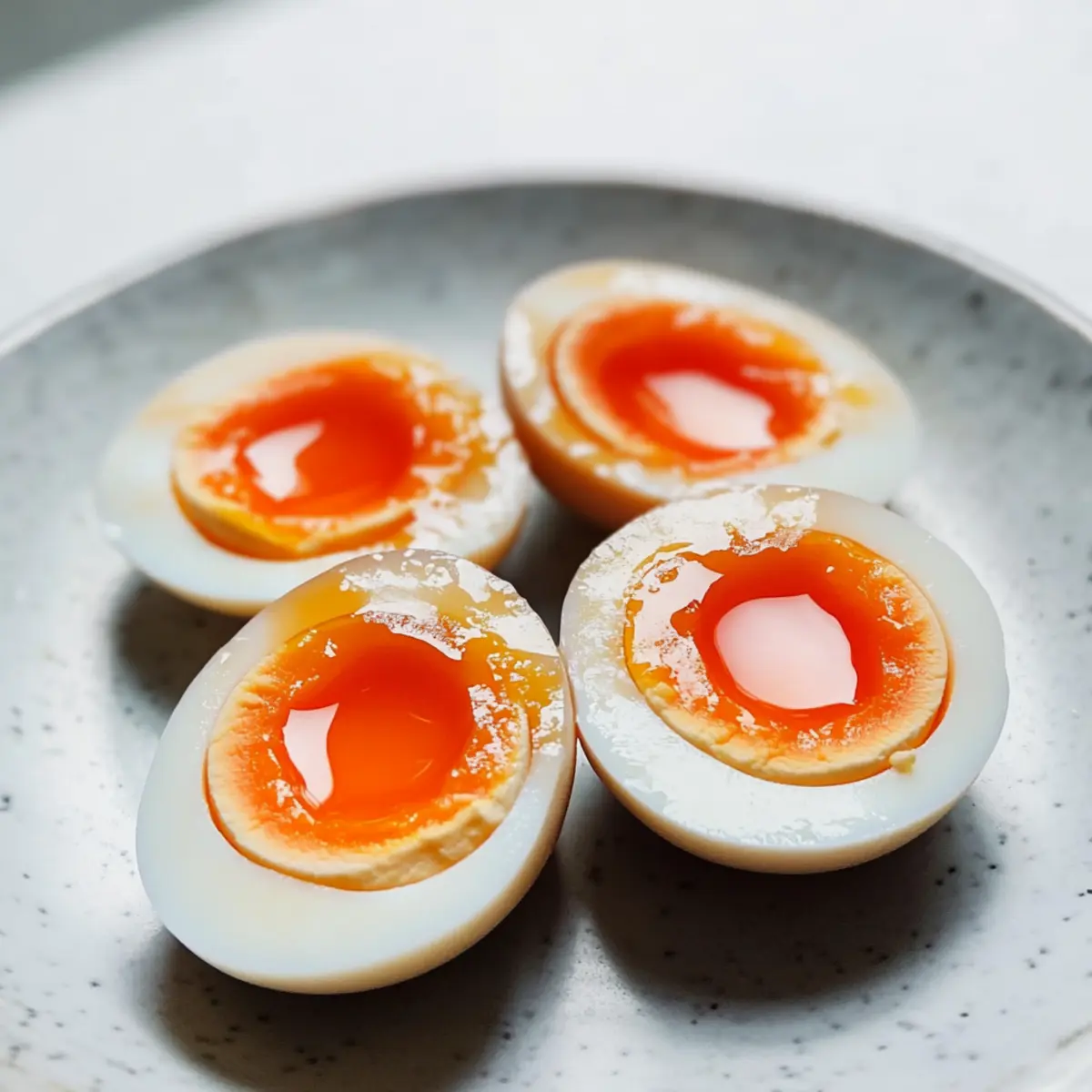
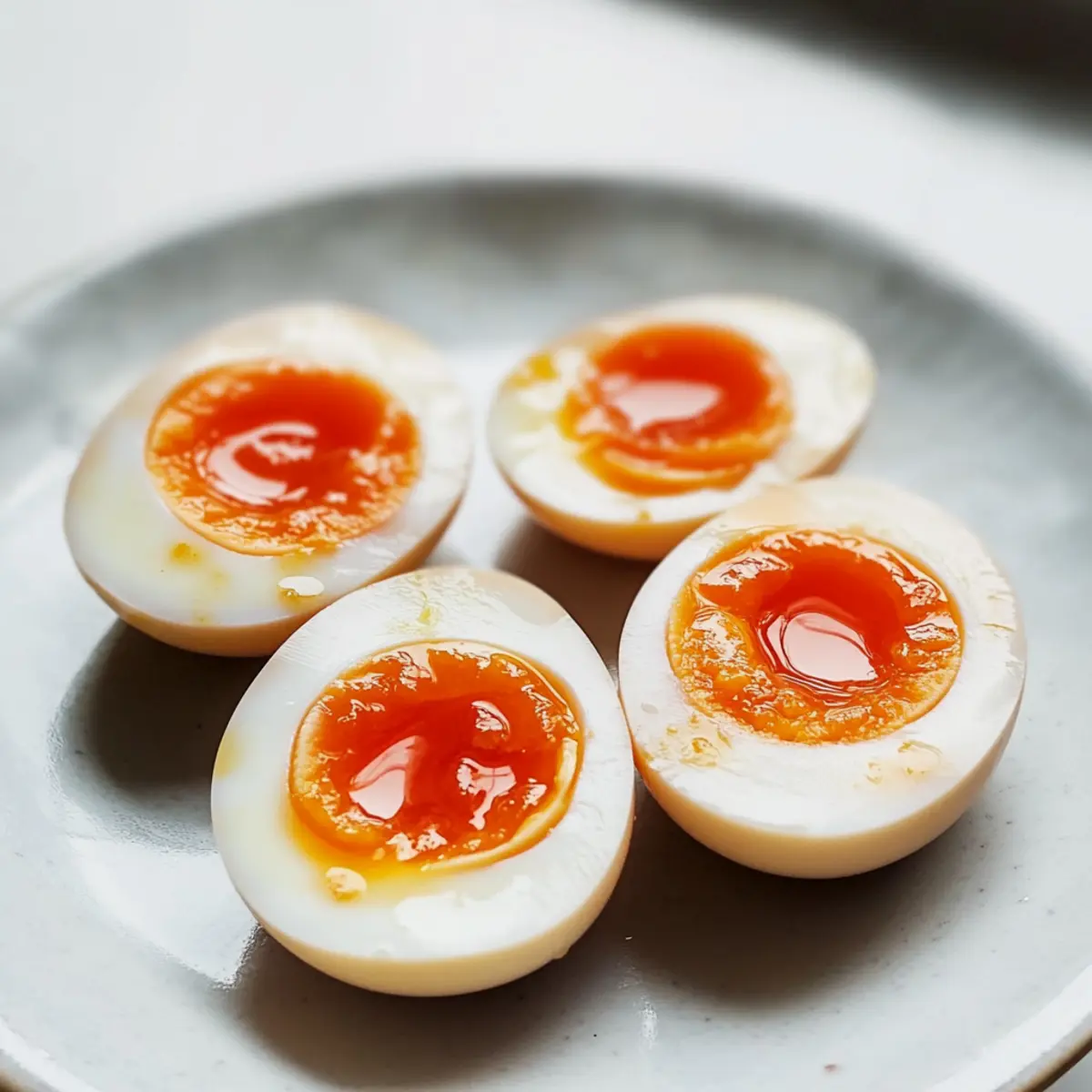
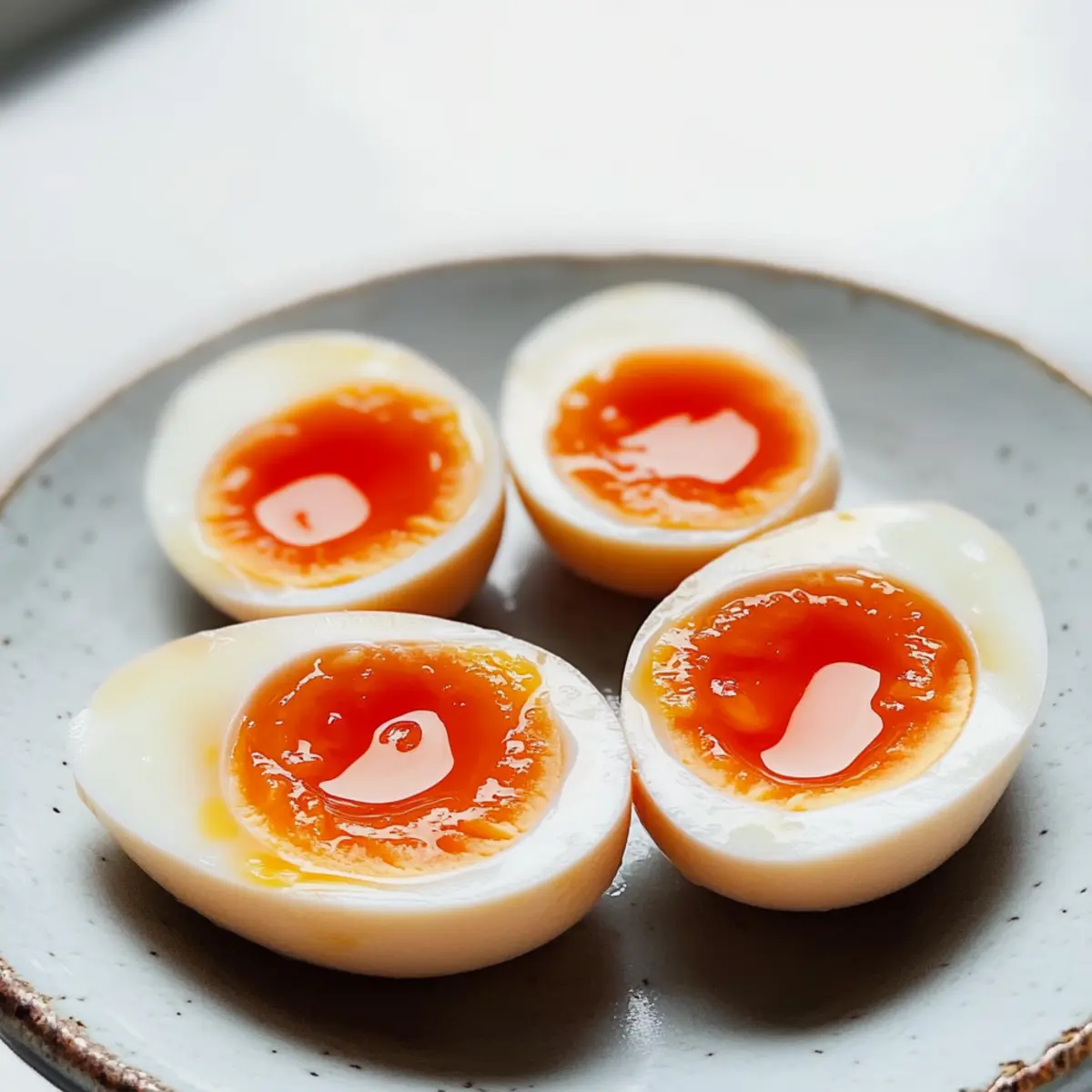
As the comforting aroma of simmering broth wafts through my kitchen, I can’t help but think about the perfect accompaniments that make a steaming bowl of ramen truly unforgettable. Enter the delightful Ramen Egg, or Ajitama, a Japanese staple that transforms any ordinary meal into a culinary masterpiece. These soft-boiled eggs, with their rich, jammy yolks and umami-infused whites, not only offer a quick prep solution for busy weeknights but also serve as an adaptable topping for everything from ramen to salads. Trust me, once you learn how to make these easy, flavorful gems, you’ll be adding them to your home-cooked delights in no time. Ready to elevate your dishes with a touch of authentic Japanese cuisine? Let’s dive in!

Why Are Ramen Eggs So Amazing?
Umami-Packed Perfection: These Ramen Eggs are a flavor revelation, with each bite bursting with rich umami thanks to the savory marinade.
Quick & Simple: With just a few straightforward steps, you’ll achieve perfectly jammy yolks that impress everyone at your table.
Versatile Delight: Use them to elevate not just ramen, but salads, sandwiches, or even enjoy them solo as a nutritious snack.
Time-Saving Meal Prep: Make a batch ahead and enjoy them throughout the week for easy, gourmet meals without the hassle.
Culinary Adventure: Experience the joy of authentic Japanese cuisine right from your kitchen, creating a deliciously unique culinary experience! For more convenient breakfast ideas, don’t miss out on these Bacon Egg Hashbrown or Breakfast Egg Muffins recipes!
Ramen Egg Ingredients
• Create these soft-boiled wonders with just a few simple ingredients that deliver authentic flavor!
Advertisement
For the Marinade
- Low Sodium Chicken Stock – Provides a savory base for the marinade; shiitake mushroom stock is a great vegetarian substitute.
- Soy Sauce – Adds depth of flavor and umami; use tamari for a gluten-free alternative.
- Sake – Offers subtle sweetness and complexity; mirin or a mix of water with a touch of vinegar works well for non-alcoholic options.
- Evaporated Cane Sugar – Balances the saltiness of the soy sauce; brown sugar can enhance the flavor profile.
- Ginger – Infuses the marinade with warmth and spice; fresh ginger delivers the best taste, but powdered can be convenient.
For the Eggs
- Large Eggs – The star of the dish providing creamy texture; ensure they are fresh for optimal results.
Embrace the joy of cooking and indulge in these delicious Ramen Eggs, ideal for adding that special umami flair to your meals!
Step‑by‑Step Instructions for Ramen Egg
Step 1: Prepare Marinade
In a small saucepan, combine low sodium chicken stock, soy sauce, sake, evaporated cane sugar, and ginger. Bring the mixture to a gentle boil over medium heat and let it simmer for about 2 minutes. This will help dissolve the sugar and meld the flavors together beautifully. Once boiled, remove it from the heat and allow it to cool completely while you focus on the eggs.
Step 2: Prepare Eggs
Using the back of a spoon, carefully crack a small divot in the bottom of each large egg; this helps with peeling later. Place the eggs into a pot and cover them with about 2 inches of cold water. Rest assured, this gentle start is key to perfect ramen eggs. You’re setting the stage for that ideal soft-boiled goodness!
Step 3: Boil Eggs
Bring the pot of water to a rolling boil over high heat. Once boiling, turn off the heat completely and cover the pot with a lid. Set a timer for 5 to 6 minutes, depending on your preference for yolk doneness—5 minutes for the perfect jammy yolk. Now, keep the lid on and let the residual heat work its magic on your ramen egg.
Step 4: Cool Eggs
After your timer goes off, carefully drain the hot water. Immediately transfer the eggs to a bowl filled with ice water. Let them cool for at least 20 minutes to halt the cooking process and make peeling easier. This cold shock not only stops cooking but also ensures you get that stunning texture and vibrant yolk in your Ramen Eggs.
Step 5: Peel Eggs
Once cooled, crack the shells gently under the cold water, starting from the bottom where you made the divot. The cold water will help remove the shells without damaging the delicate egg whites. Take your time and remove the membrane carefully; you want the surface to be smooth for a well-marinated Ramen Egg.
Step 6: Marinate Eggs
Place the peeled eggs into a resealable zipper bag. Remove the pieces of ginger from your marinade and pour the cooled mixture over the eggs in the bag. Seal the bag tightly, ensuring the eggs are well coated in the marinade. Refrigerate for 8 to 12 hours, turning the bag occasionally to evenly distribute the flavors among each Ramen Egg.
Step 7: Store
After marinating, remove the eggs from the bag and gently pat them dry. Store the Ramen Eggs in an airtight container in the fridge. These delicious eggs will keep well for up to three days, enhancing the flavors as they sit. Now they’re ready to slice and serve over some steaming ramen or on their own as a savory treat.
Ramen Egg Variations & Substitutions
Explore the delightful possibilities for tailoring your Ramen Eggs to suit your taste and dietary preferences!
-
Vegetarian: Replace chicken stock with shiitake mushroom stock for a rich, meat-free alternative. The umami depth will still shine beautifully.
-
Gluten-Free: Use tamari instead of soy sauce for those sensitive to gluten. You won’t sacrifice flavor for dietary needs here!
-
Non-Alcoholic: Swap sake for mirin or a combination of water and a splash of vinegar. This will maintain the sweetness and complexity you crave without the alcohol.
-
Flavor Burst: Mix in chili flakes or a dash of sesame oil to the marinade for a fire-kissed twist. These additions will elevate the profile of your Ramen Eggs!
-
Sweetness Upgrade: Opt for brown sugar instead of evaporated cane sugar to deepen the sweet notes in the marinade, making each bite more indulgent.
-
Vegan Delight: For a complete plant-based experience, use aquafaba (chickpea brine) instead of eggs and marinate with your choice of vegan-friendly ingredients—now that’s creativity in the kitchen!
-
Joy of Herbs: Infuse the marinade with fresh herbs such as cilantro or basil for a refreshing twist that lifts the traditional flavors into something special.
Enjoy your cooking adventure and don’t hesitate to play around with these variations, just as you might when following a great recipe for Cheesecake Egg Rolls. The world of flavors is yours to explore!
Make Ahead Options
These Ramen Eggs are perfect for meal prep enthusiasts! You can prepare the marinade and boil the eggs up to 24 hours in advance, allowing you to simply marinate the peeled eggs when you’re ready to enjoy them. After peeling, place the eggs in a resealable bag, cover them with the cooled marinade, and refrigerate for 8 to 12 hours to develop rich flavor. For even better taste, avoid skipping the marshmallowing time, as it ensures they remain wonderfully jammy. Store marinated Ramen Eggs in an airtight container in the fridge for up to 3 days before serving. Just remember to slice them just before plating to maintain their delightful texture!
Storage Tips for Ramen Eggs
Fridge: Store marinated Ramen Eggs in an airtight container in the refrigerator for up to 3 days to maintain optimal flavor and freshness.
Reusing Marinade: The marinade can be reused up to three times for additional batches of Ramen Eggs; just be sure to strain it to remove any solids.
Freezer: For longer storage, freeze peeled Ramen Eggs in a single layer on a baking sheet, then transfer to an airtight container. They can last up to 3 months, although the texture may slightly change upon thawing.
Thawing: When ready to use, thaw eggs in the refrigerator overnight for the best results, and avoid refreezing after thawing to preserve their taste and texture.
What to Serve with Authentic Japanese Ramen Eggs?
Elevate your meals with delightful pairings that complement the rich, umami flavors of these creamy Ramen Eggs.
-
Steaming Ramen Noodles: These eggs are the perfect accompaniment to your favorite ramen noodles, adding richness and authenticity to every bowl. The contrast of hot noodles against the creamy egg is a match made in heaven.
-
Fresh Sliced Green Onions: Lightly sprinkle chopped green onions for a refreshing crunch that balances the richness of the eggs. The vibrant green also adds a pop of color to your bowl.
-
Tender Bok Choy: Quickly sautéed bok choy brings a satisfying crunch and a hint of bitterness, enhancing the overall flavor profile. Its mildness allows the eggs to shine while adding a nutritious element.
-
Miso Soup: A comforting bowl of miso soup provides a warm, savory backdrop to enjoy alongside your ramen eggs. The umami flavors resonate beautifully, offering a classic Japanese dining experience.
-
Spicy Chili Oil: For those who enjoy heat, a drizzle of chili oil brings a fiery kick to your ramen, complementing the creaminess of the eggs. It’s an exciting fusion of flavors that will tantalize your taste buds.
-
Sushi Rolls: Pair your Ramen Eggs with some fresh sushi rolls, like a spicy tuna or avocado roll. The contrast between soft and chewy textures enhances the meal’s appeal.
-
Light Salad with Sesame Dressing: A crisp side salad topped with sesame dressing introduces a fresh, tangy element that lightens up the meal. This refreshing crunch will harmonize with the richness of the eggs.
-
Chilled Sake: Enjoy a glass of chilled sake for a sophisticated pairing. The smoothness of sake beautifully complements the savory essence of your ramen eggs while enhancing the entire dining experience.
Expert Tips for Perfect Ramen Eggs
-
Timing Matters: Keep a close eye on the timer! Adjust cooking time between 5-6 minutes for a jammy yolk, or up to 12 minutes for hard-boiled eggs.
-
Fresh Eggs Rule: Use the freshest eggs you can find. They peel more easily, ensuring your Ramen Eggs look as good as they taste.
-
Cool Down Quick: Don’t skip the ice water bath! It halts the cooking process and contributes to a perfectly creamy texture in your Ramen Eggs.
-
Marinate Wisely: Flip the bag occasionally while marinating. This ensures every egg is evenly coated and absorbs that delicious umami flavor.
-
Peel Under Water: Crack eggs gently under running cold water to make peeling easier and avoid shell damage. A smooth surface helps the marinade cling better.
Ramen Egg Recipe FAQs
How do I choose the best eggs for Ramen Eggs?
Absolutely! For the best Ramen Eggs, always choose the freshest large eggs you can find. Fresh eggs have firmer whites and yolks, making them easier to peel after boiling. A good visual cue to check for freshness is to look at the shell; it should be smooth and unblemished. Dark spots or cracks can indicate age or poor quality.
What is the best way to store Ramen Eggs?
To maximize freshness, store marinated Ramen Eggs in an airtight container in the refrigerator for up to 3 days. This keeps them flavorful and delicious. If you’ve made extra, the marinade can be reused up to three times for additional batches, just strain it to remove any solid bits.
Can I freeze Ramen Eggs?
Yes, you can! For longer storage, freeze peeled Ramen Eggs in a single layer on a baking sheet until solid, then transfer them to an airtight container. This way, they can last up to 3 months. When you’re ready to use, simply thaw them in the refrigerator overnight, taking care not to refreeze once thawed to maintain their delicious texture.
What should I do if my Ramen Eggs are hard-boiled instead of soft?
No worries! If your Ramen Eggs turned out hard-boiled, it might have been due to boiling for too long. For future batches, stick to a cooking time of 5-6 minutes for a jammy yolk, and remember to turn off the heat immediately after boiling. If you’re uncertain, you can always check one egg first to perfect your timing!
Are Ramen Eggs safe for those with allergies?
Very! However, be cautious if you or someone you’re serving has allergies. The main ingredients are eggs, soy sauce, and sake, which can contain allergens like gluten. For gluten-sensitive diets, use tamari instead of soy sauce. To make it allergy-friendly, consider adjusting the marinade by using alternative ingredients based on your needs.
Mouthwatering Ramen Egg Recipe for Ultimate Umami Bliss
Ingredients
Equipment
Method
- In a small saucepan, combine low sodium chicken stock, soy sauce, sake, evaporated cane sugar, and ginger. Bring to a gentle boil, then simmer for 2 minutes. Remove from heat and let cool.
- Crack a small divot in the bottom of each large egg. Place the eggs in a pot covered with 2 inches of cold water.
- Bring the pot to a rolling boil over high heat, then turn off heat and cover with a lid. Set a timer for 5 to 6 minutes.
- After the timer, drain hot water and transfer eggs to a bowl of ice water for at least 20 minutes.
- Crack the cooled eggs gently under cold water, starting from the divot, to peel easily.
- Place peeled eggs in a resealable bag. Pour cooled marinade over eggs, seal bag tightly, and refrigerate for 8 to 12 hours.
- After marinating, remove eggs, pat dry, and store in an airtight container for up to 3 days.