Advertisement
On a bustling weeknight, when the clock is ticking and hunger pangs are setting in, there’s something magical about whipping up a comforting bowl of Korean Egg Rice, or Gyeran Bap. This dish captures the heart of home-cooked meals with its fluffy rice and creamy eggs, all kissed by the umami goodness of soy sauce and a hint of nutty sesame oil. Not only is it quick to prepare, making it perfect for busy schedules, but it’s also incredibly customizable, allowing you to add your favorite toppings or proteins. Imagine settling down with a bowl that warms you from the inside out—what could be better? So grab your ingredients and let’s explore this versatile comfort food that’s bound to become a cherished staple in your kitchen!
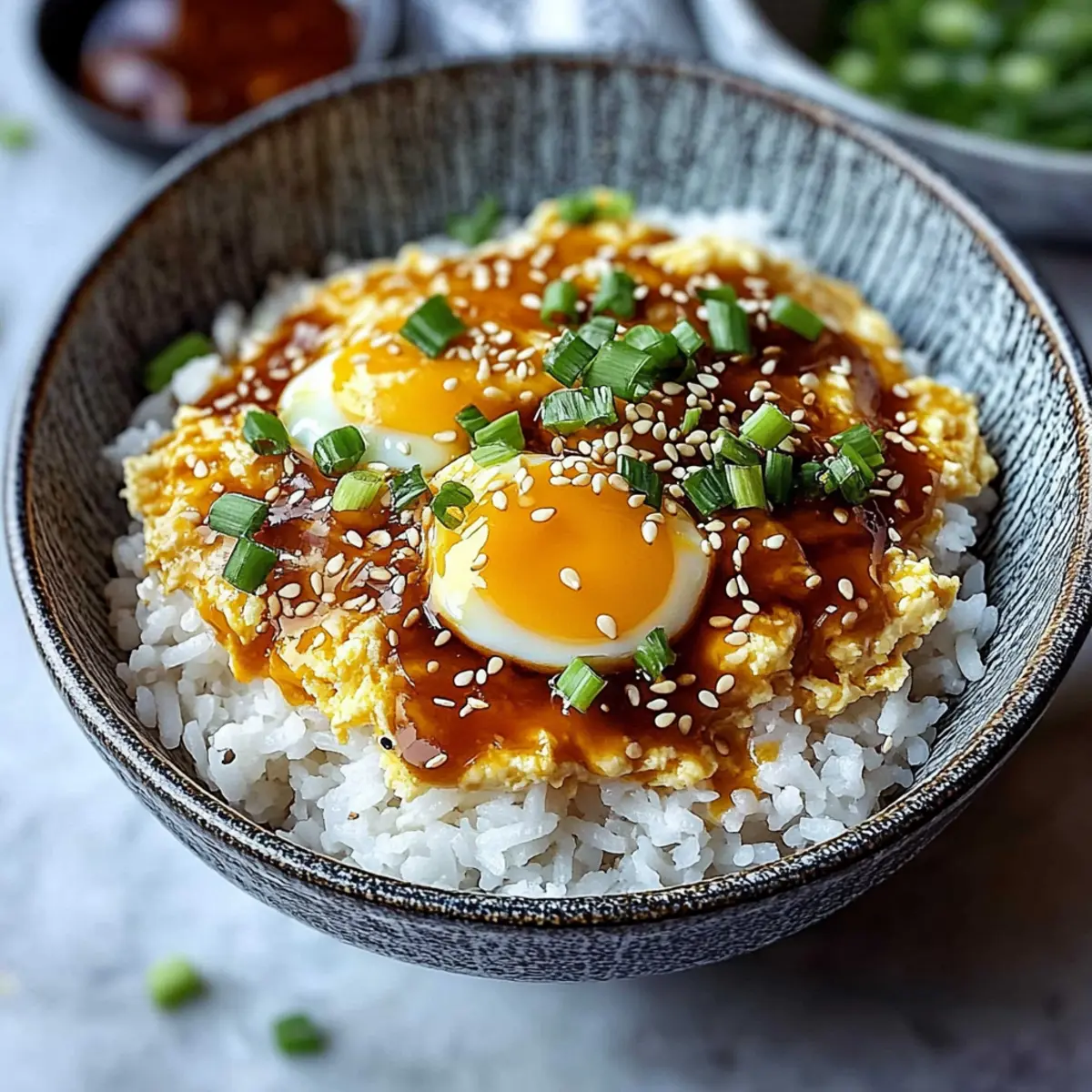
Why is Korean Egg Rice a must-try?
Quick and Easy: This recipe comes together in just 15 minutes, making it ideal for those late-night cravings or rushed weeknights.
Customizable Delight: Whether you prefer spicy mayo or fresh vegetables as toppings, you can tailor it to fit your taste preferences!
Advertisement
Comforting Flavors: The combination of creamy eggs, nutty sesame oil, and savory soy sauce creates a warm hug in a bowl, reminiscent of childhood memories.
Perfect for Meal Prep: Batch-cook the rice and eggs, then store for easy lunches throughout the week; it’s a great way to avoid fast food!
Family-Friendly: Everyone in the family will love this dish, and it’s a fantastic way to introduce kids to new flavors—pair it with Bacon Egg Hashbrown for a delightful breakfast twist!
Dive into this delicious Korean Egg Rice experience today—you won’t regret it!
Korean Egg Rice Ingredients
For the Rice
- Cooked Short-Grain Rice – Use day-old rice for the best texture and flavor absorption.
- Sesame Oil – Adds a nutty aroma; substitute with olive oil if needed.
- Salt – Enhances the overall flavor of the rice mixture.
- Ground White Pepper (optional) – Adds a mild heat; skip if you prefer no spice.
For the Eggs
- Large Eggs – Provide creaminess and richness to your Korean Egg Rice.
- Milk or Water – Whisked into the eggs for fluffiness and lightness.
- Vegetable Oil – Necessary for cooking the eggs; prevents sticking.
For the Sauce
- Soy Sauce – The primary seasoning that brings essential umami depth.
- Rice Vinegar – Balances flavors with a touch of acidity; lemon juice works as a substitute.
- Sugar – A touch of sweetness to balance savory notes; agave or honey can be used instead.
- Gochugaru (Korean Chili Flakes) – Provides spice and warmth; adjust according to taste.
- Minced Garlic – Boosts the aromatic quality of the sauce.
- Sesame Seeds – A crunchy garnish that enhances the nutty flavor.
For the Toppings
- Toppings (Kimchi, Roasted Seaweed, Green Onions) – Customize for added flavor and texture.
- Fried Egg (additional) – An optional protein boost for extra richness.
- Spicy Mayonnaise (Gochujang Mayo) – Perfect for those who love a spicy kick!
Korean Egg Rice is not just a meal; it’s a canvas for you to explore flavors that resonate with your culinary preferences!
Step‑by‑Step Instructions for Korean Egg Rice
Step 1: Prepare the Rice
Start by fluffing your cooked short-grain rice with a fork in a large bowl. Drizzle in a tablespoon of sesame oil, followed by a pinch of salt and ground white pepper to taste, mixing well to combine all flavors. Cover the bowl with a lid or a clean kitchen towel to keep the rice warm while you prepare the rest of your Korean Egg Rice.
Step 2: Make the Egg Mixture
In a medium bowl, crack in your large eggs and add a splash of milk or water for fluffiness. Whisk together until the mixture is well-combined and slightly frothy, incorporating a pinch of salt and white pepper. The egg mixture should have a homogenous texture, ready to be cooked to create creamy scrambled eggs for your Korean Egg Rice.
Step 3: Cook the Eggs
Heat a non-stick skillet over medium heat and add a teaspoon of vegetable oil, swirling it to coat the pan. Pour in the egg mixture and let it sit for a moment before gently stirring with a spatula. Push the cooked parts towards the center, allowing the uncooked mixture to flow to the edges. Cook until the eggs are mostly set but still slightly runny, about 2-3 minutes, ensuring they stay soft and fluffy.
Step 4: Remove from Heat
Once the eggs are cooked to your desired consistency, remove the skillet from heat. Using the spatula, break the scrambled eggs into bite-sized pieces while they’re still warm. This will enhance the creamy texture as you mix them into the fluffy rice, creating a perfect balance in your Korean Egg Rice.
Step 5: Prepare the Sauce
In a small bowl, combine soy sauce, sesame oil, rice vinegar, sugar, gochugaru, and minced garlic. Whisk together until smooth and the sugar is dissolved, tasting to adjust the flavors to your liking. This savory sauce will add depth to your Korean Egg Rice, enhancing the overall comfort and flavor of the dish.
Step 6: Assemble
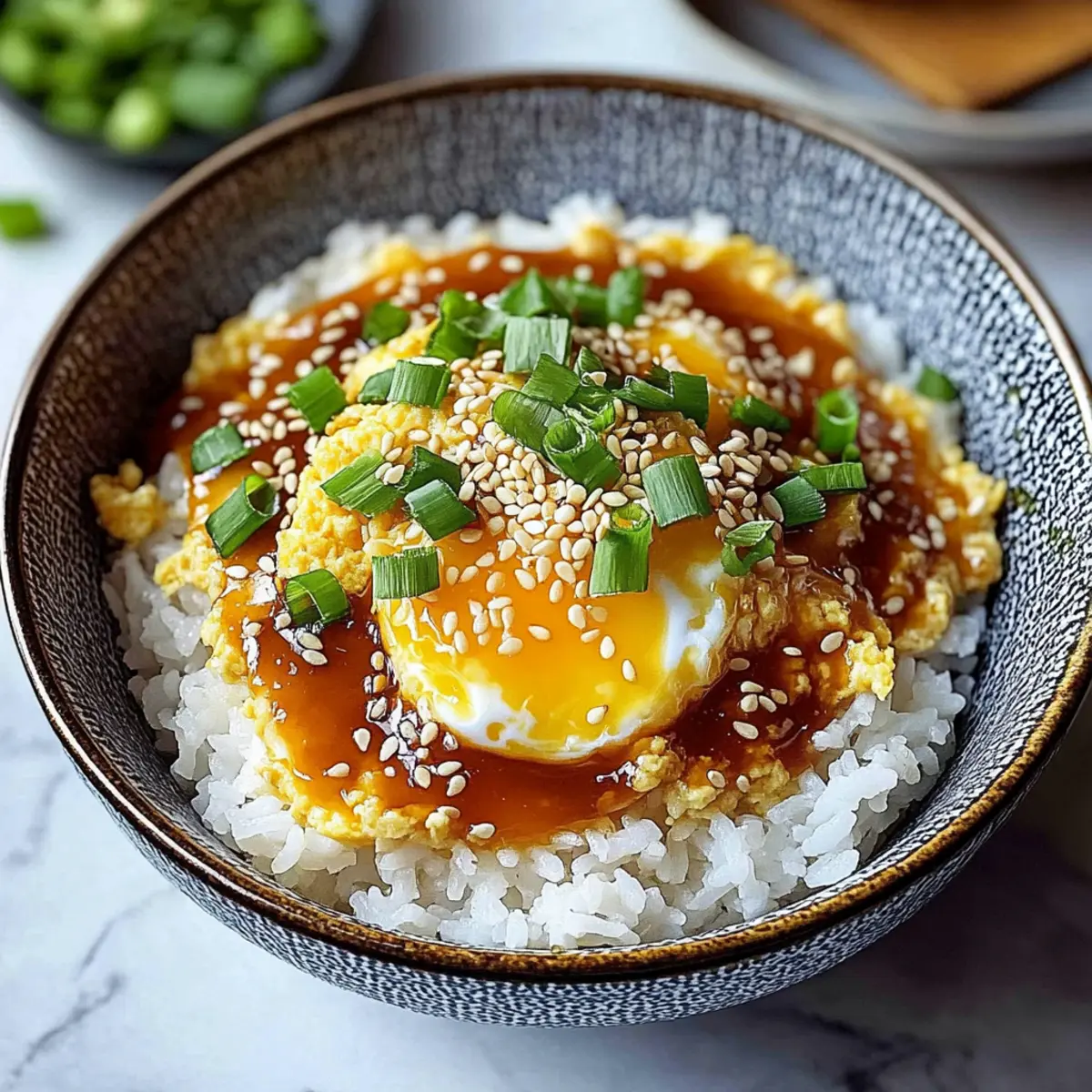
Divide the warm, seasoned rice into bowls, creating a cozy base for your dish. Top generously with the scrambled eggs, allowing them to nestle into the rice. Drizzle your freshly prepared sauce over the top, ensuring the rich flavors are evenly distributed.
Step 7: Serve
Finish off your beautiful bowls of Korean Egg Rice with your choice of toppings, such as sliced green onions, kimchi, or roasted seaweed, to add crunch and color. Serve immediately while warm, and relish in the delightful combination of flavors and textures, creating a heartwarming meal to cherish.
How to Store and Freeze Korean Egg Rice
Fridge: Store leftover Korean Egg Rice in an airtight container for up to 2 days. To keep the rice and eggs moist, separate them if possible before refrigerating.
Freezer: Freeze Korean Egg Rice for up to 1 month. Cool completely, then portion into airtight freezer bags, removing excess air to prevent freezer burn.
Reheating: Reheat in the microwave, covered, for about 1-2 minutes or until heated through. Add a splash of water to moisten if the rice seems dry.
Serving: Enjoy the stored Korean Egg Rice warm, and feel free to revamp it with fresh toppings or a drizzle of soy sauce after reheating!
Expert Tips for Korean Egg Rice
-
Use Day-Old Rice: The ideal texture for Korean Egg Rice comes from day-old rice; it’s dryer and absorbs flavors better than freshly cooked rice.
-
Perfect Egg Cooking: Avoid overcooking the eggs; they should be fluffy and slightly runny to maintain creaminess and not dry out.
-
Flavor Adjustments: Don’t hesitate to tweak the soy sauce and gochugaru levels to suit your taste; a little goes a long way in enhancing the essence of the Korean Egg Rice.
-
Experiment with Toppings: Get creative with toppings! Kimchi, fresh veggies, or even a drizzle of gochujang mayo can elevate your dish.
-
Keep it Warm: Cover your rice while preparing to keep it warm, allowing it to stay fluffy and delicious when combined with the creamy eggs.
-
Batch Cooking: Make a larger batch to enjoy leftovers; this makes busy weekdays easier and helps you avoid fast food temptations.
Korean Egg Rice Variations & Substitutions
Feel free to get creative with your Korean Egg Rice—it’s as customizable as your imagination!
-
Dairy-Free: Use almond milk or oat milk to whisk your eggs for a delightful dairy-free option.
-
Protein Boost: Add diced tofu or cooked chicken for an extra protein kick; both pair beautifully with the flavors of the dish.
-
Veggie Lovers: Toss in chopped spinach, bell peppers, or even shredded carrots for a vibrant, veggie-packed twist that adds color and nutrition.
-
Flavor Explosion: Mix in a teaspoon of gochujang (Korean chili paste) to the sauce for a spicy kick that elevates your meal to a new level.
-
Quinoa Swap: Swap short-grain rice for quinoa for a nutritious, gluten-free alternative that still absorbs the delicious flavors.
-
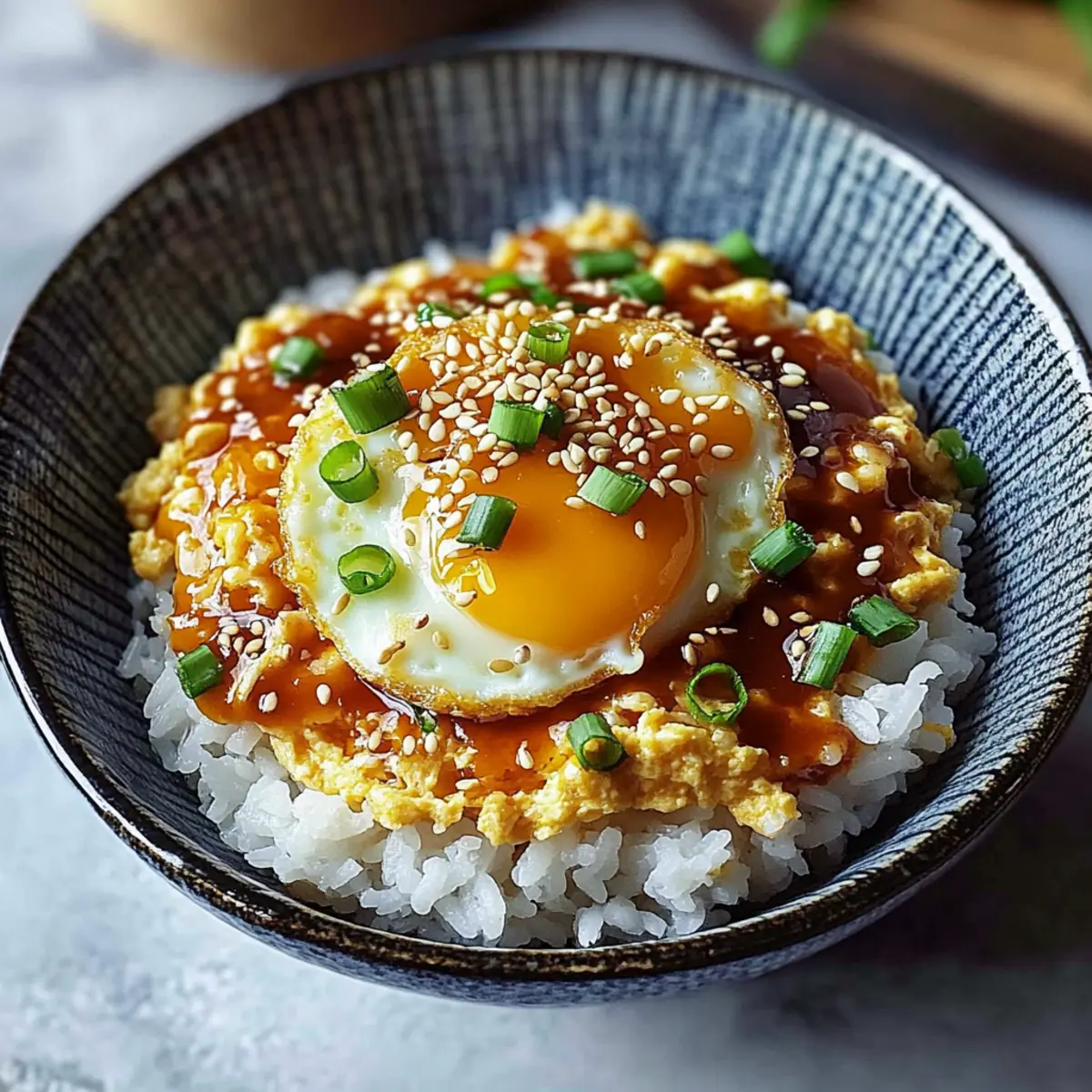
Rich Topping: Top your rice with a crispy fried egg for a luxurious addition that enhances creaminess and enjoyment.
-
Herbaceous Twist: Fresh herbs like cilantro or scallions can be sprinkled on top for a burst of freshness that lifts the whole dish.
-
Umami Elevation: Drizzle with a touch of fish sauce along with the soy sauce for an extra umami layer of flavor.
If you’re in the mood for more options, check out Breakfast Egg Muffins for a fun breakfast idea, or try making delicious Cheesecake Egg Rolls for dessert!
What to Serve with Korean Egg Rice?
Imagine the comforting aroma of Korean Egg Rice filling your kitchen as you pair it with delightful complements that elevate your meal to new heights.
- Crispy Kimchi: The tangy and spicy notes of kimchi add a refreshing burst of flavor, enhancing the umami in the egg rice.
- Cucumber Salad: Light and crunchy, a cool cucumber salad brings a delightful contrast to the rich, warm rice and eggs. It’s simple to prepare and adds vibrancy to your plate.
- Steamed Bok Choy: The slight bitterness of steamed bok choy balances the creamy egg rice beautifully. It’s a nutritious choice that can be seasoned with a drizzle of sesame oil.
- Sweet Potato Fries: These crispy, sweet morsels provide a crunchy texture that pairs well with the soft rice and eggs. Their natural sweetness rounds out the meal perfectly.
- Japanese Pickled Radish: These crunchy, tangy bites cleanse the palate and add a pop of color, making every bite more exciting and layered.
- Chilled Tofu Salad: Silken tofu dressed in soy sauce and sesame oil offers a creamy texture that complements the egg rice. It’s a refreshing and protein-packed addition!
- Ginger Green Tea: A warm cup of ginger green tea makes for a comforting drink that aids digestion, perfectly pairing with the savory flavors of the dish.
Get ready to create a memorable dining experience with these vibrant additions!
Make Ahead Options
Korean Egg Rice is a fantastic meal prep option that saves time during busy weeknights! You can prepare the rice and egg mixture up to 24 hours in advance; simply store them separately in airtight containers in the refrigerator to maintain flavor and texture. For the rice, allow it to cool completely before refrigerating; this prevents excess moisture buildup. The eggs can be whisked and stored ready to cook when you need them. When it’s time to serve, simply reheat the rice in a microwave or skillet, cook the egg mixture, and assemble your Korean Egg Rice with your preferred toppings. This way, you’ll enjoy a warm, delicious meal in a fraction of the time!
Korean Egg Rice Recipe FAQs
What type of rice is best for Korean Egg Rice?
I recommend using cooked short-grain rice, ideally day-old rice, as it provides the perfect texture and absorbs flavors beautifully. Freshly cooked rice tends to be too moist and can make the dish sticky rather than fluffy.
How long can I store leftover Korean Egg Rice?
You can store leftover Korean Egg Rice in an airtight container in the refrigerator for up to 2 days. To maintain freshness, try to separate the rice and eggs before refrigerating if possible.
Can I freeze Korean Egg Rice?
Absolutely! To freeze, allow the Korean Egg Rice to cool completely, then portion it into airtight freezer bags. Remove as much air as possible to prevent freezer burn. It can be stored in the freezer for up to 1 month.
How do I reheat frozen Korean Egg Rice?
When you’re ready to enjoy your frozen Korean Egg Rice, remove it from the freezer and thaw it in the refrigerator overnight. Reheat it in the microwave, covered, for about 1-2 minutes until heated through. Adding a splash of water helps keep it moist!
Can I customize the ingredients for dietary restrictions?
Very! If you have dietary restrictions, you can swap in alternatives. For a vegan version, use a plant-based egg substitute and ensure that the sauces are vegan-friendly. Also, be mindful of any allergens like soy or sesame, which are common in standard recipes.
What should I do if my eggs turn out too dry?
If your scrambled eggs become dry, it may be due to overcooking. To prevent this, cook the eggs on medium-low heat and remove them from the skillet when they’re still slightly runny. Remember, they’ll continue to cook off the heat!
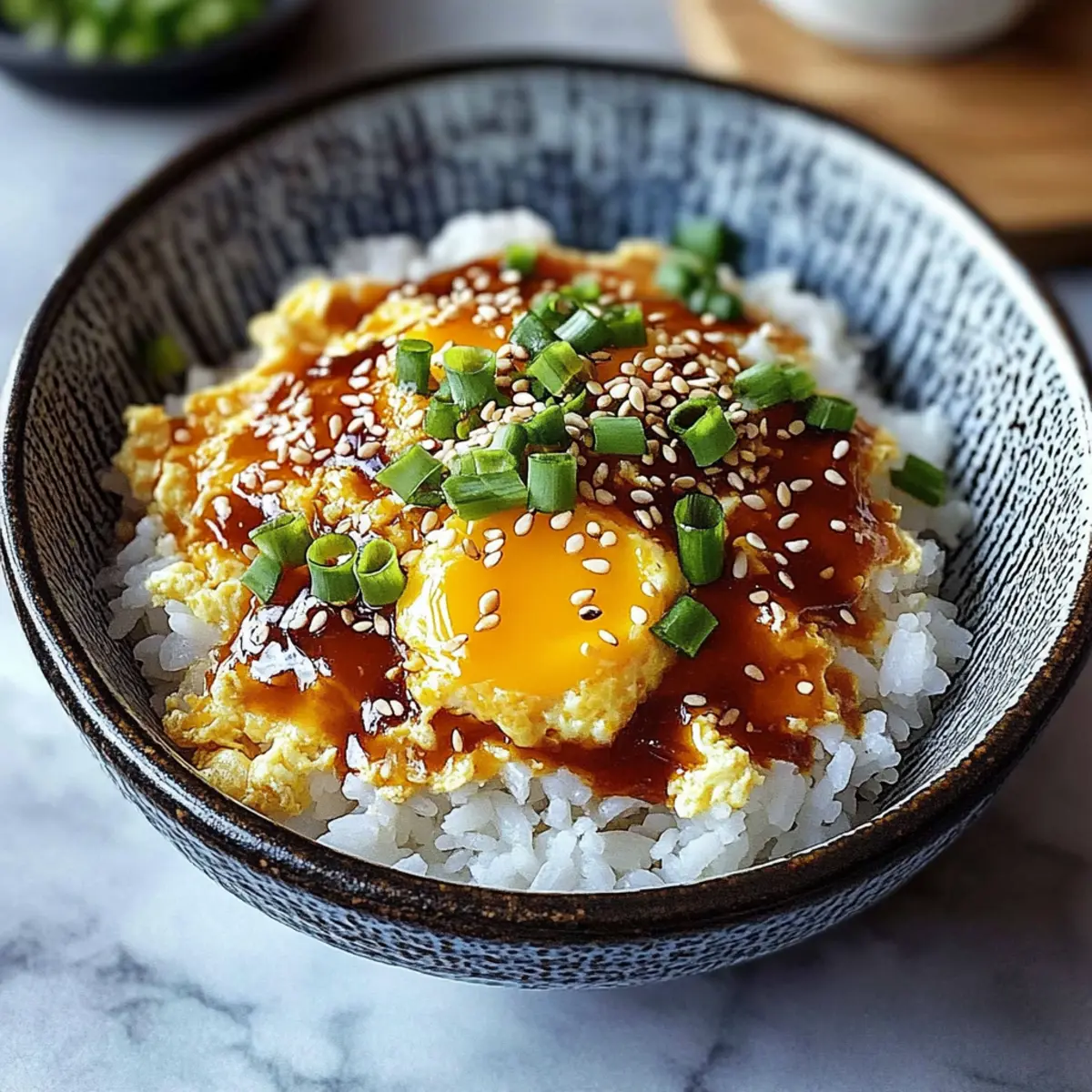
Korean Egg Rice: Your Go-To Comfort Food in 15 Minutes
Ingredients
Equipment
Method
- Fluff the cooked rice in a bowl, drizzle sesame oil, and season with salt and pepper. Cover to keep warm.
- Whisk together eggs, milk or water, salt, and white pepper until frothy.
- Heat vegetable oil in a skillet, add egg mixture and stir slowly until cooked but still soft.
- Remove from heat and break eggs into pieces while warm.
- Combine soy sauce, sesame oil, rice vinegar, sugar, gochugaru, and garlic in a bowl; whisk until smooth.
- Divide rice into bowls, top with eggs, and drizzle sauce. Add your choice of toppings.
- Serve warm and enjoy!