Advertisement
There I stood, staring at a lonely eggplant on my counter, wondering what to do with this vibrant vegetable. That’s when inspiration struck—Miso Glazed Eggplant began to take shape in my mind. This Japanese-inspired side dish is not only incredibly easy to prepare but also brings a delightful mix of savory and sweet flavors that will elevate your dinner table. The best part? It’s a vegetarian masterpiece that pairs beautifully with grilled fish or chicken, or can simply stand on its own over a warm bed of rice. Trust me, once you taste that glossy, caramelized miso glaze coating tender eggplant, you’ll be dreaming up new occasions to make it. Are you ready to embark on this flavor journey? Let’s dive in!
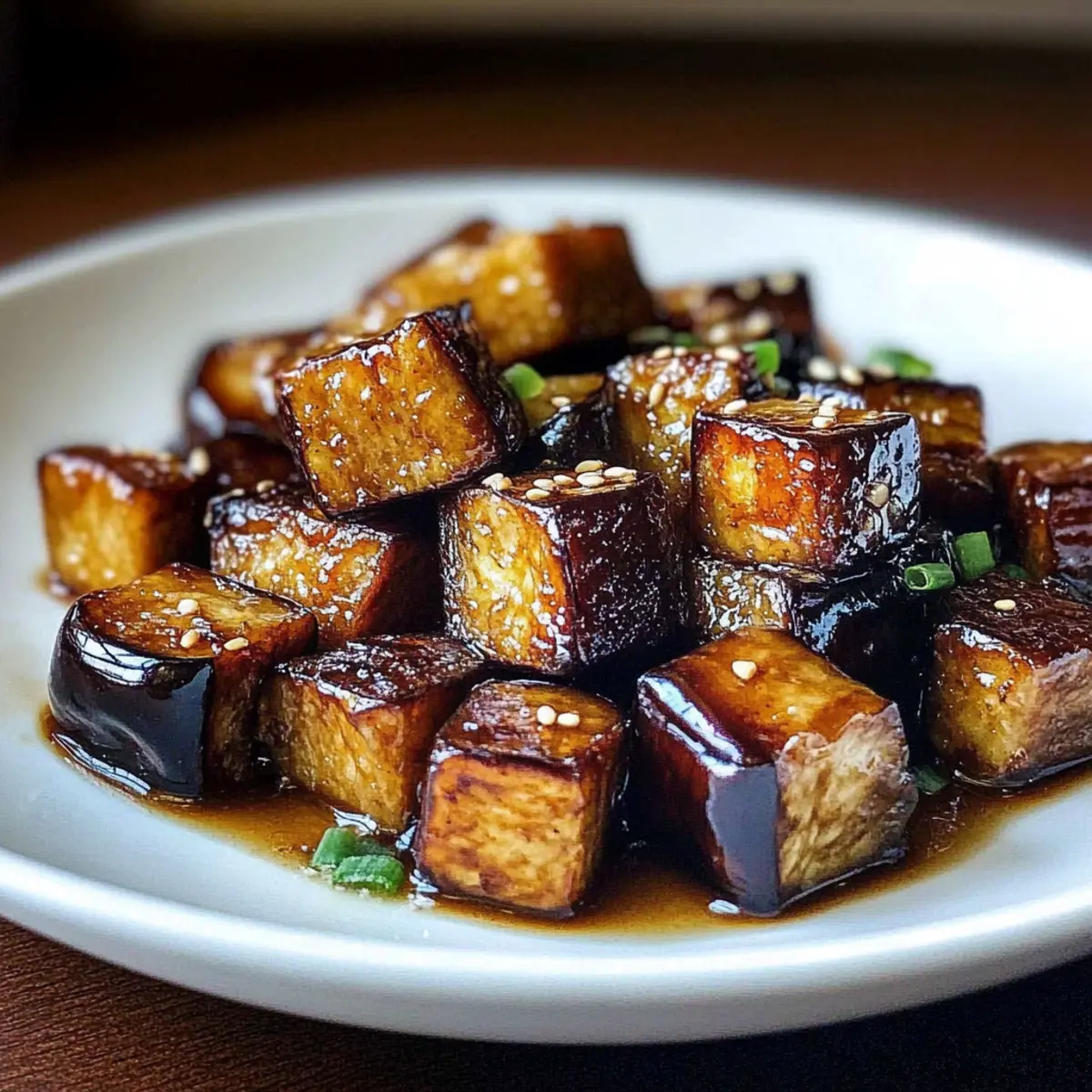
Why is Miso Glazed Eggplant a must-try?
Simplicity meets flavor in this dish—perfect for busy days!
Savory-sweet perfection defines the rich miso glaze, making every bite unforgettable.
Versatile serving options allow you to pair it with grilled meats or enjoy it on its own with rice.
Crowd-pleasing goodness ensures it’s a hit at any dinner table, satisfying both vegetarians and meat lovers alike!
Explore more Japanese-inspired dishes like our Soy Glazed Brussels Sprouts for a full-flavored meal!
Miso Glazed Eggplant Ingredients
• Get ready to savor this delightful dish!
Advertisement
For the Eggplant
- Eggplant – Use one large eggplant, cut into 1-inch cubes for the perfect roasting texture.
- Olive Oil – About 2 tablespoons will help the eggplant brown beautifully.
- Salt and Pepper – Essential seasonings to bring out the eggplant’s natural flavor.
For the Miso Glaze
- White Miso Paste – Use ¼ cup for a mild and sweet glaze; red miso is a stronger alternative.
- Mirin – 2 tablespoons add a lovely sweetness; if unavailable, mix 1 tablespoon rice vinegar with 1 teaspoon sugar as a substitute.
- Soy Sauce – 1 tablespoon contributes depth to the glaze’s flavor profile.
- Honey – 1 tablespoon not only sweetens but helps achieve gorgeous caramelization; feel free to swap in maple syrup or agave nectar.
- Fresh Ginger – 1 teaspoon finely grated offers a refreshing zing; you can use ½ teaspoon ground ginger if needed.
- Garlic – One clove minced enhances the overall flavor and aroma immensely.
Optional Garnishes
- Sesame Seeds – Sprinkle for added crunch and style.
- Chopped Green Onions – These provide a fresh finishing touch to elevate presentation.
Now that you have all your ingredients ready, a delicious journey awaits you with this Miso Glazed Eggplant!
Step‑by‑Step Instructions for Miso Glazed Eggplant
Step 1: Preheat the Oven
First, preheat your oven to 400°F (200°C). This step is crucial to achieving the perfect caramelization on the eggplant. While the oven heats up, gather your baking sheet and line it with parchment paper for easy clean-up and to prevent sticking during the roasting process.
Step 2: Prepare the Eggplant
Next, cut one large eggplant into 1-inch cubes and place them in a mixing bowl. Drizzle about 2 tablespoons of olive oil over the cubes, ensuring each piece is evenly coated. Season them generously with salt and pepper to enhance the natural flavors, tossing well to combine all ingredients thoroughly.
Step 3: Roast the Eggplant
Spread the seasoned eggplant cubes in a single layer on the prepared baking sheet. Roast them in the oven for 20–25 minutes, flipping halfway through to ensure even browning. Look for the eggplant to be tender and slightly browned when they’re done, which will set the stage for the flavorful miso glaze.
Step 4: Make the Miso Glaze
While the eggplant roasts, prepare the glaze by whisking together ¼ cup of white miso paste, 2 tablespoons of mirin, 1 tablespoon of soy sauce, 1 tablespoon of honey, 1 teaspoon of finely grated ginger, and 1 minced garlic clove in a small bowl. Ensure the mixture is smooth, creating a harmonious blend of sweet and savory flavors perfect for the Miso Glazed Eggplant.
Step 5: Glaze and Finish Roasting
Once the eggplant is roasted, remove it from the oven and generously brush the miso glaze over the cubes. Return the glazed eggplant to the oven and roast for an additional 5-7 minutes. You’ll know it’s ready when the glaze bubbles and turns glossy, creating a deliciously sticky coating.
Step 6: Garnish and Serve
Finally, remove your Miso Glazed Eggplant from the oven and allow it to cool slightly. For a beautiful presentation, garnish with sesame seeds and chopped green onions. Serve warm as a delightful side dish, perfect alongside grilled meats or over a bed of rice. Enjoy this savory-sweet culinary creation!
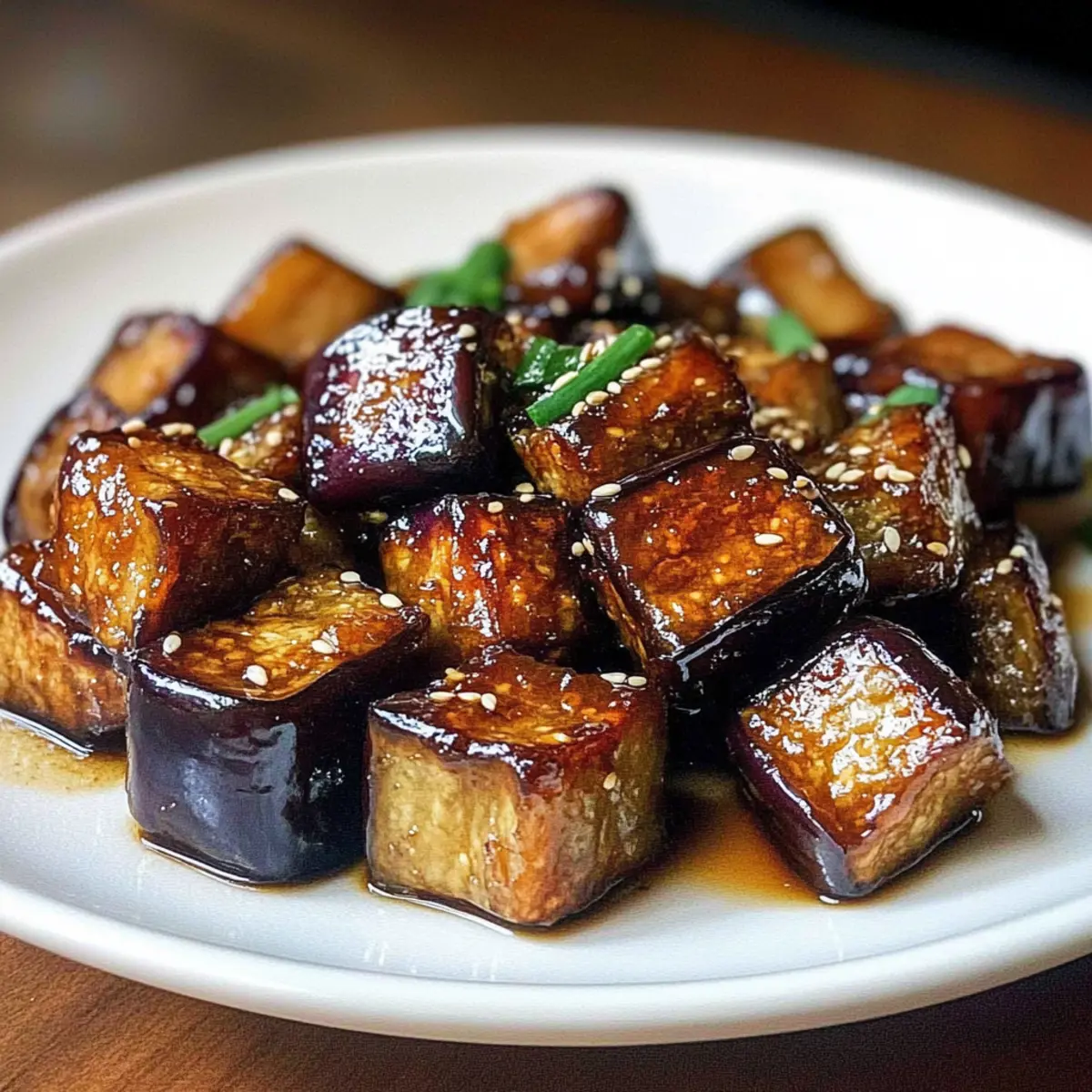
Miso Glazed Eggplant Variations
Explore delightful twists on this Miso Glazed Eggplant and make it uniquely yours!
- Spicy Kick: Add 1 teaspoon of chili flakes to the glaze for a warm, spicy finish. This variation elevates every bite with bold flavor.
- Creamy Vegan Alternative: Swap honey for maple syrup, and use agave for a fully vegan glaze that maintains the sweet profile. You’ll love its richness without compromising taste.
- Herb Infusion: Stir in fresh herbs like basil or cilantro into the miso glaze before applying for a fresh, aromatic touch that elevates your eggplant.
- Asian Twist: Include a splash of rice vinegar and a dash of sesame oil in the glaze for an extra burst of flavor. This enhances the umami and pairs beautifully with the eggplant.
- Roasted Garlic: Mix in roasted garlic cloves into the glaze for a deeper, mellow garlic flavor that complements the miso beautifully. It creates an irresistible depth with each bite!
- Smoke Infusion: For a smoky flavor, add a few drops of liquid smoke to the glaze or grill the eggplant instead of roasting. It adds complexity that’s perfect for barbecue lovers.
- Fruit Fusion: Incorporate pureed fresh mango or peach into the glaze for a fruity sweetness that balances the savory notes beautifully. It adds an exciting new layer of flavor!
- Nutty Flavor: Top the glazed eggplant with crushed peanuts or toasted sesame seeds before serving to add a delightful crunch and nutty flavor element.
For even more ideas, check out our Soy Glazed Brussels Sprouts to complement your meal with another delightful side!
Expert Tips for Miso Glazed Eggplant
- Choosing Eggplant: Opt for firm, glossy eggplants with no blemishes; they will have the best flavor and texture in your dish.
- Perfect Glaze Consistency: If the miso glaze is too thick, add a splash of mirin or water; this ensures smooth brushing over the eggplant.
- Watch the Oven: Keep an eye on the eggplant during the final roasting phase; if it starts to darken too quickly, tent with foil to prevent burning.
- Avoid Steaming: Arrange the eggplant in a single layer on the baking sheet for optimal roasting; overcrowding can lead to steaming instead of browning.
- Enhance Flavor: Experiment by adding a dash of chili flakes or sesame oil to the glaze for a unique twist to your Miso Glazed Eggplant.
What to Serve with Miso Glazed Eggplant
Looking to create a beautiful and harmonious dinner spread? Let’s explore perfect pairings that will elevate your Miso Glazed Eggplant experience!
- Steamed Jasmine Rice: The fluffy texture of jasmine rice perfectly soaks up the savory-sweet miso glaze, making each bite a delight.
- Grilled Teriyaki Chicken: This adds a smoky sweetness that complements the miso glaze beautifully; together, they create a symphony of flavors.
- Crispy Tempura Vegetables: The light crunch of tempura pairs well with the tender eggplant, adding textural contrast to your plate.
- Miso Soup: A warm, comforting bowl of miso soup brings an authentic Japanese element to your meal, enhancing the overall experience.
- Sesame Sautéed Spinach: The nutty flavor of sesame sautéed spinach brightens the dish, balancing the rich miso with fresh greens.
- Pickled Japanese Cucumbers: These tangy, refreshing pickles provide a delightful contrast, cutting through the richness of the eggplant glaze.
Incorporating these pairings will not only create a visually stunning meal but also an unforgettable taste journey!
How to Store and Freeze Miso Glazed Eggplant
Fridge: Store leftover Miso Glazed Eggplant in an airtight container for up to 3 days. Reheat gently in the microwave or a skillet to maintain that delightful glaze.
Freezer: For longer storage, freeze the unglazed cooked eggplant in a freezer-safe container for up to 2 months. To enjoy, thaw in the fridge overnight before glazing and reheating.
Reheating: When reheating, add a bit of water or extra mirin to the skillet to revive the glaze’s texture, preventing it from becoming too thick.
Serving Fresh: Miso Glazed Eggplant is best served fresh, so consider preparing the glaze in advance and roasting the eggplant just before serving for optimal flavor.
Make Ahead Options
Preparing Miso Glazed Eggplant ahead of time is a fantastic way to streamline your meal prep! You can cut the eggplant into cubes and toss them in olive oil, salt, and pepper up to 24 hours in advance; simply refrigerate them in an airtight container. Additionally, the miso glaze can be made ahead and stored in the fridge for up to 3 days—just give it a good stir before using. When it’s time to enjoy your dish, roast the prepped eggplant and then brush on the glaze, finishing in the oven for about 5-7 minutes until bubbly. This allows your Miso Glazed Eggplant to shine just as brightly with minimal effort, ideal for busy weeknights!
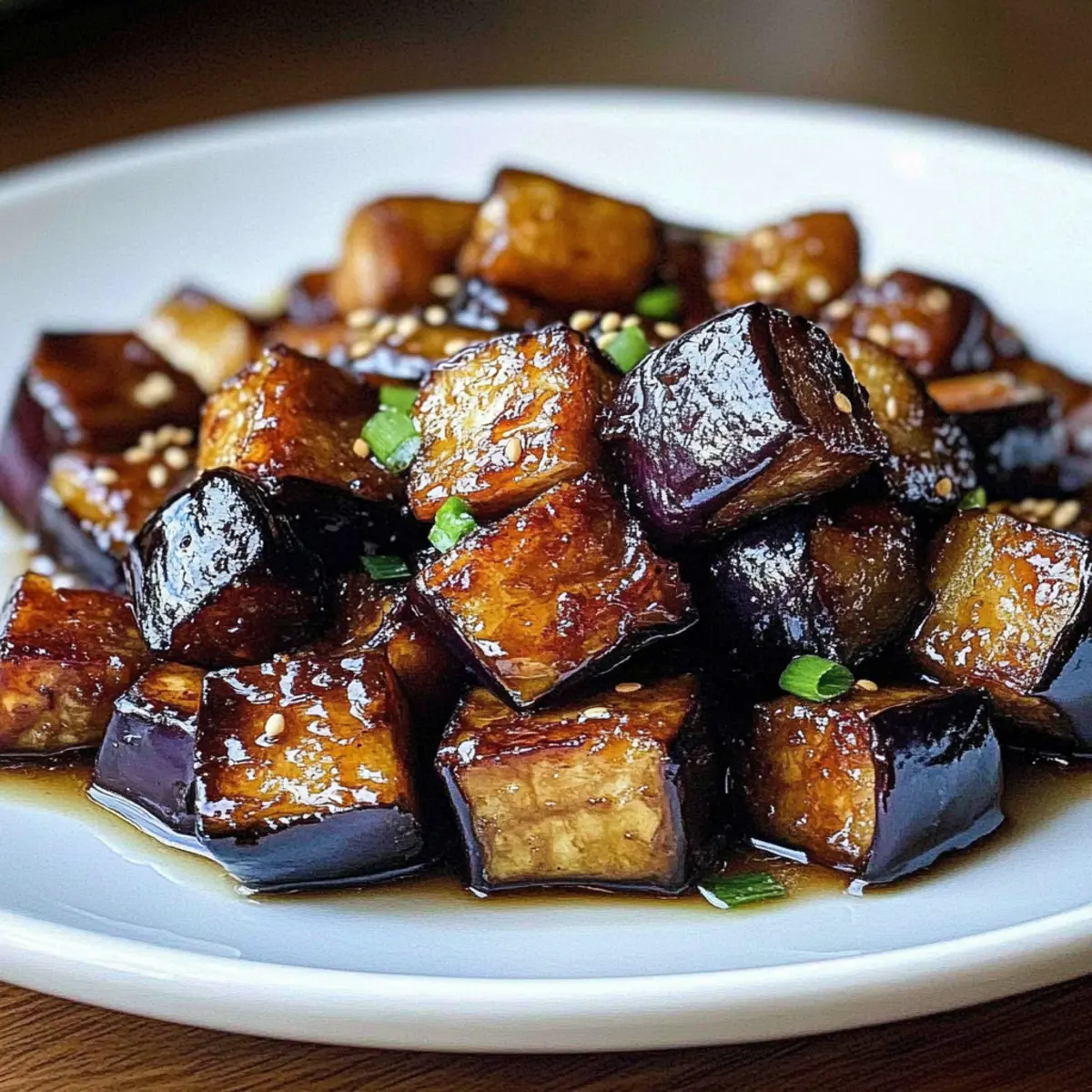
Miso Glazed Eggplant Recipe FAQs
How do I choose the best eggplant for this recipe?
Absolutely! Look for eggplants that are firm and heavy for their size, with shiny, unblemished skin. If the skin has dark spots all over or feels soft, it’s best to choose another eggplant. A medium to large eggplant weighing about 1 pound is ideal for achieving the perfect tender texture once roasted.
Can I store leftover Miso Glazed Eggplant, and how long will it last?
Yes! Store any leftovers in an airtight container in the refrigerator for up to 3 days. When reheating, do so gently in a skillet with a splash of water or mirin, as this helps to restore the glaze’s texture and prevent it from becoming thick.
Is it possible to freeze Miso Glazed Eggplant?
Yes, you can! To freeze, first cook the eggplant without the glaze and allow it to cool completely. Place it in a freezer-safe container and freeze for up to 2 months. When you’re ready to eat, simply thaw overnight in the refrigerator, brush with the miso glaze, and reheat in the oven for the perfect finish.
What should I do if the Miso glaze is too thick?
If your miso glaze turns out too thick, don’t worry—just whisk in a splash of water or a little extra mirin until you reach the desired consistency. This allows for easier brushing onto the roasted eggplant and ensures an even coating of flavor.
Are there any dietary considerations I should keep in mind for this recipe?
Yes, absolutely! This Miso Glazed Eggplant is gluten-free if you use tamari instead of regular soy sauce. It’s also vegan-friendly; just ensure your honey is sourced responsibly or substitute with maple syrup or agave nectar if needed. Keep in mind that miso paste contains soy, so check for any soy allergies if you’re serving this dish to guests.
What type of eggplant can I use in this recipe?
While the recipe calls for the classic large eggplant, you can certainly experiment with Japanese eggplant or Italian eggplant for a slightly different flavor and texture. Just remember that smaller varieties may require less roasting time, so keep an eye on them!
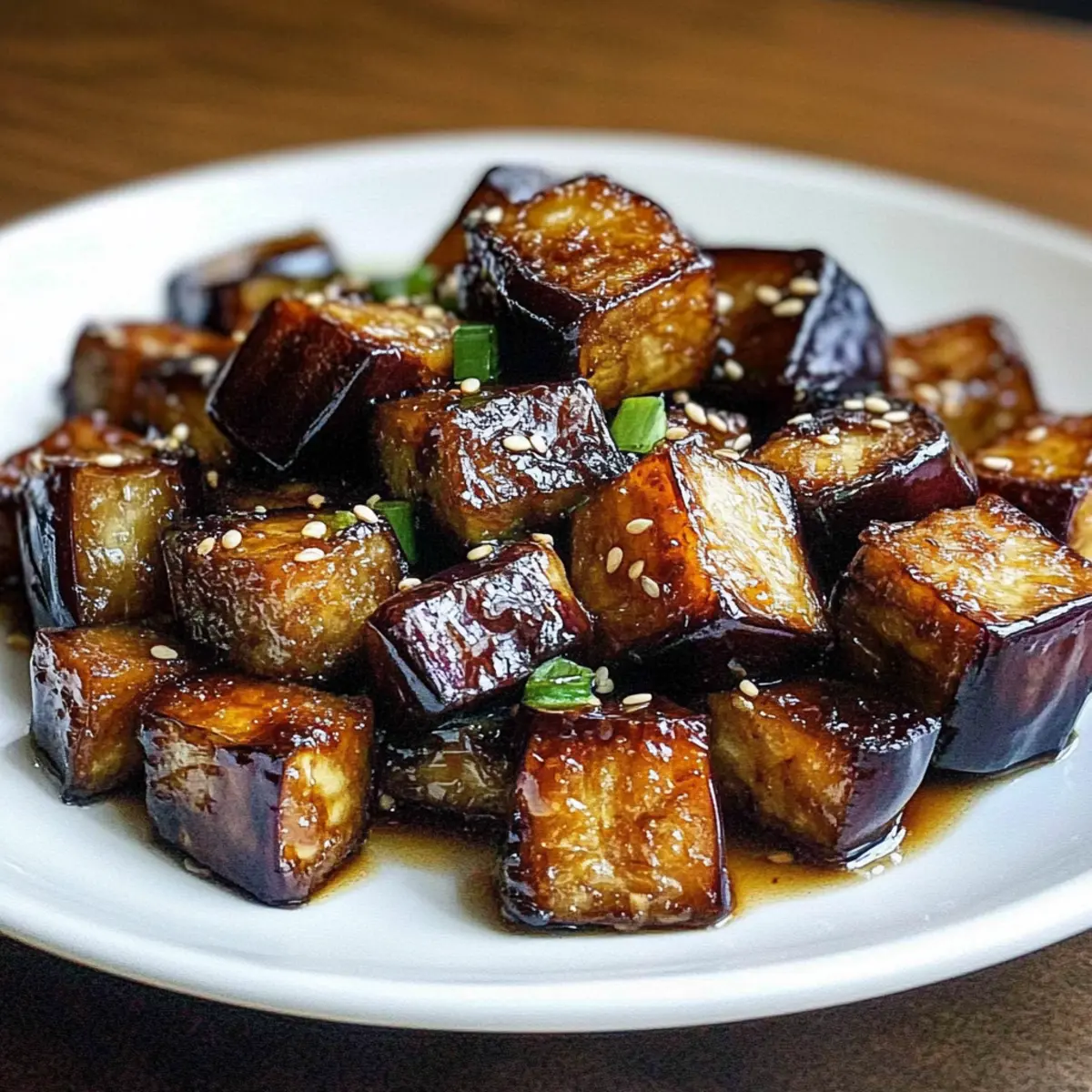
Miso Glazed Eggplant: A Sweet Savory Bite You’ll Love
Ingredients
Equipment
Method
- Preheat your oven to 400°F (200°C) and line a baking sheet with parchment paper.
- Cut the eggplant into 1-inch cubes, drizzle with olive oil, and season with salt and pepper.
- Spread the eggplant cubes on the prepared baking sheet and roast for 20–25 minutes, flipping halfway through.
- In a bowl, whisk together the miso paste, mirin, soy sauce, honey, ginger, and garlic.
- Brush the miso glaze over the roasted eggplant and return to the oven for an additional 5-7 minutes.
- Garnish with sesame seeds and chopped green onions before serving warm.