Advertisement
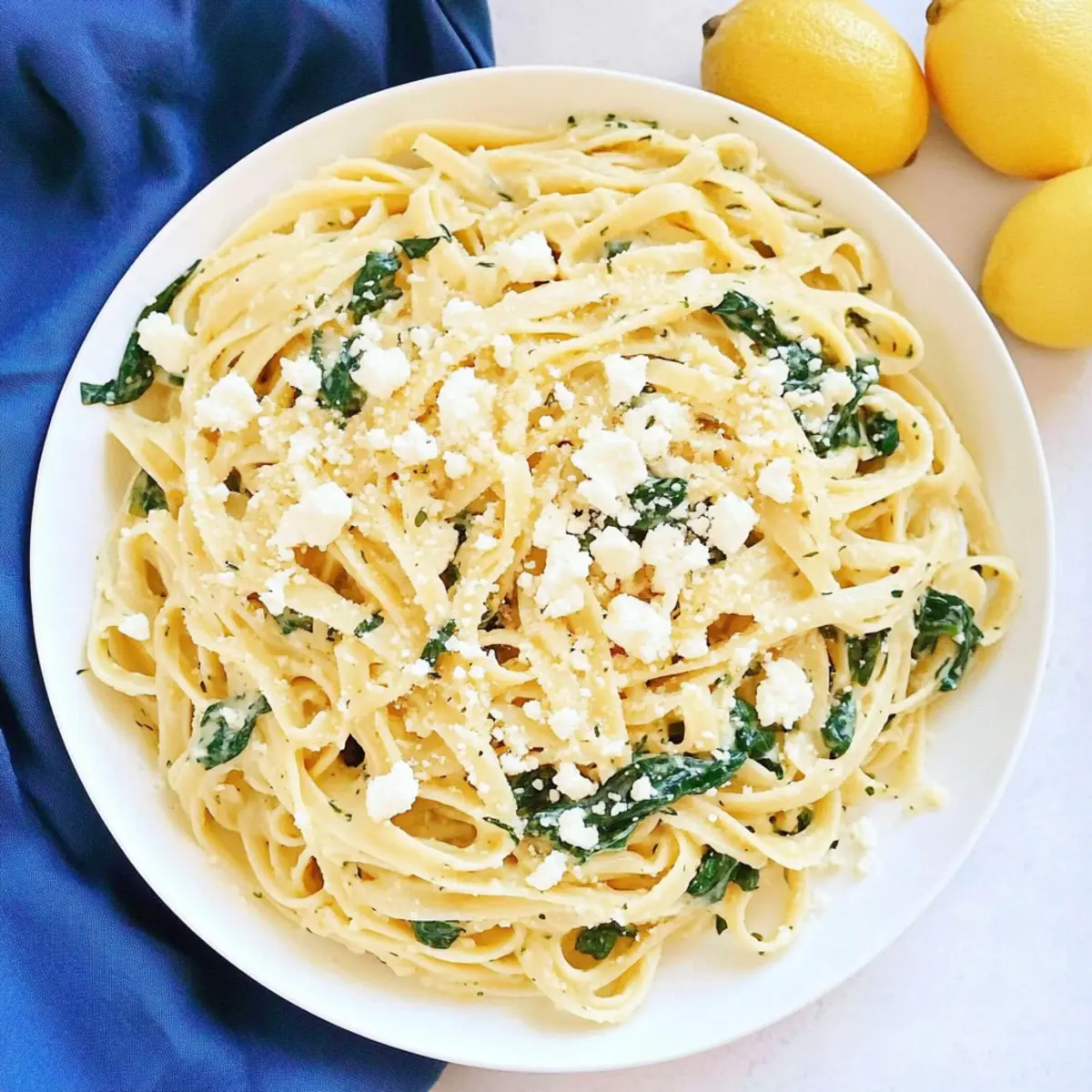
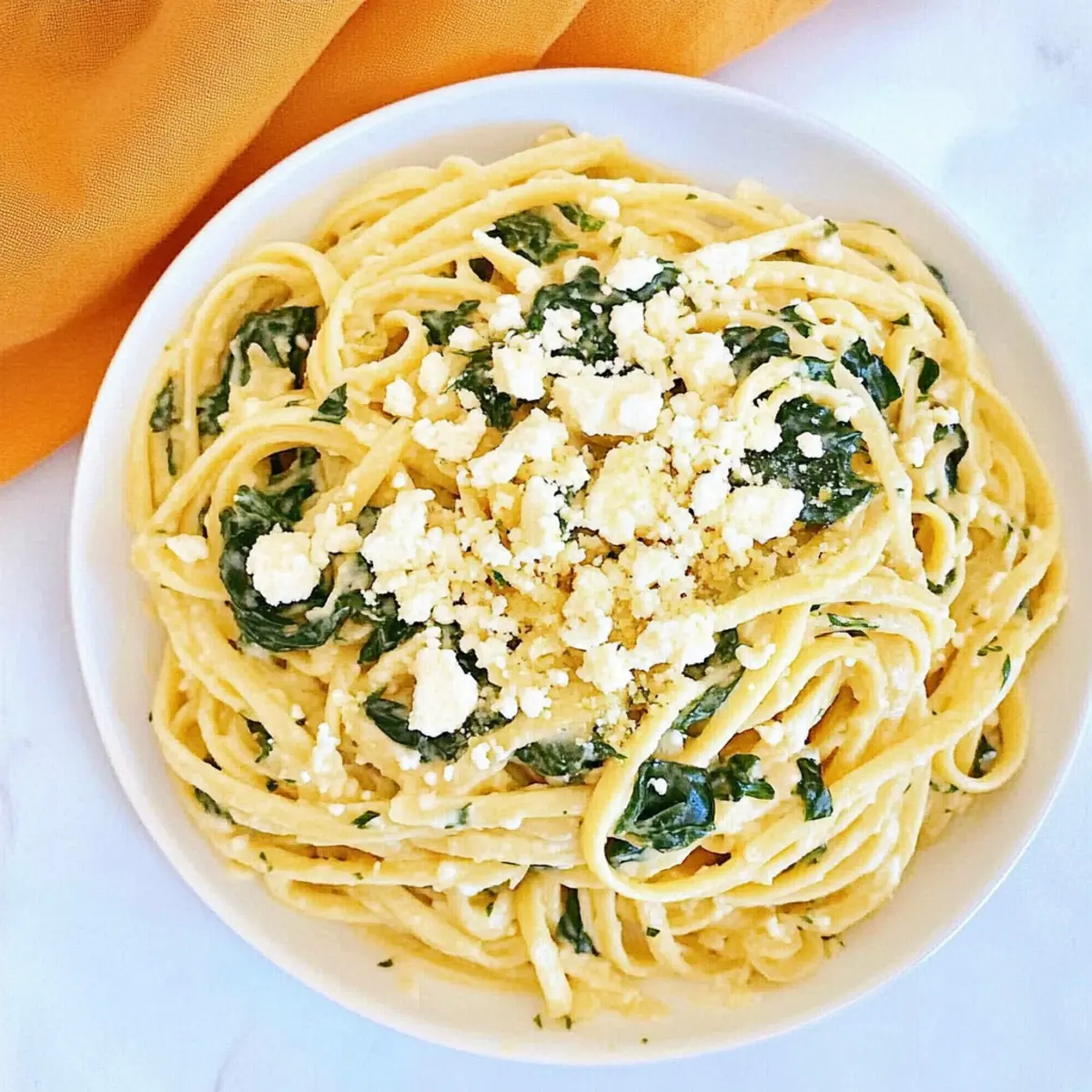
As I stirred the pot, the vibrant aroma of sautéed garlic and onions wafted through my kitchen, whisking me back to sunny Mediterranean shores. Today, I’m excited to share my take on a beloved classic with a twist: Vegan Spanakopita Pasta. This dish brings all the comforting, bold flavors we adore—think fresh spinach, zesty lemon, and creamy plant-based feta—all cooked in one pot and ready in just 20 minutes! It’s perfect for those busy weeknights when you need a nutritious meal without the fuss. With its satisfying texture and vibrant presentation, this easy pasta is not only a crowd-pleaser but also a fantastic way to embrace healthy, plant-based eating. Curious to dive into this Mediterranean delight? Let’s get cooking!
Why Choose Vegan Spanakopita Pasta?
Simplicity at Its Best: This recipe is incredibly easy to whip up, taking only 20 minutes from start to finish, making it ideal for busy weeknights.
Bold, Savory Flavors: The combination of fresh spinach, zesty lemon, and creamy plant-based feta offers a delightful taste that mimics traditional spanakopita.
Advertisement
One-Pot Wonder: Cooking in just one pot means less cleanup and hassle, leaving you with more time to enjoy your meal or explore more recipes like Ground Beef Pasta.
Nutrient-Packed Goodness: With nutrient-rich spinach and the option for gluten-free pasta, this dish caters to various dietary preferences while still satisfying your cravings.
Crowd-Pleasing Comfort: Perfect for family dinners or gatherings, this Mediterranean-inspired pasta will impress both vegan and non-vegan guests alike!
Spanakopita Pasta Ingredients
Get ready for a delightful cooking experience with these must-have ingredients!
For the Pasta
- Spaghetti – The foundational carbohydrate that gives this dish its delightful texture; feel free to swap for gluten-free pasta for a lighter option.
- Butter – Adds rich flavor; for a vegan option, simply substitute with dairy-free butter.
For the Flavor Base
- Yellow Onion – Introduces a sweet, savory depth; shallots work well for a milder flavor.
- Garlic (minced) – Elevates aroma and taste; fresh garlic shines best, but garlic powder can save the day in a pinch.
For the Greens
- Baby Spinach Leaves – Brings freshness and nutrients to the dish; substitute with kale or Swiss chard for a changeup.
For the Zesty Touch
- Lemon Zest – Infuses a bright aroma; opt for fresh lemons over bottled zest for a more vivid flavor.
- Lemon Juice – Balances the dish with acidity; fresh juice is key for the best results.
For the Seasonings
- Dried Dill – Imparts a unique herbal note; fresh dill is a wonderful substitute for an enhanced taste.
- Ground Black Pepper – Adds warmth and depth; swap with white pepper for a milder flavor if needed.
For the Creaminess
- Feta Cheese (vegan optional) – Offers creaminess and tang; use traditional feta or vegan feta for a completely plant-based option.
Step‑by‑Step Instructions for Vegan Spanakopita Pasta
Step 1: Cook the Pasta
Begin by bringing a large pot of salted water to a boil. Add the spaghetti and cook according to package directions, typically around 8-10 minutes, until al dente. Reserve 3 cups of the starchy pasta water, then drain the spaghetti and set it aside, keeping it warm in the pot.
Step 2: Sauté Aromatics
In the same pot, melt 4 tablespoons of butter (or dairy-free butter for a vegan option) over medium heat. Once melted, add the chopped yellow onion and sauté for about 2 minutes until translucent. Stir in 2 cloves of minced garlic and cook for an additional minute, allowing the mixture to become fragrant and golden.
Step 3: Incorporate Spinach & Seasonings
Add the baby spinach leaves to the pot, cooking until they are wilted, which should take about 2 minutes. Then, stir in the lemon zest, dried dill, and ground black pepper. Pour in 1 cup of the reserved pasta water along with 1 cup of crumbled feta cheese, mixing everything well and cooking for an additional 3 minutes until the sauce thickens slightly.
Step 4: Finish the Sauce
Remove the pot from the heat and stir in the remaining 2 tablespoons of butter and the juice of half a lemon. This adds a lovely creaminess and bright acidity to the sauce, enhancing the flavors of your Vegan Spanakopita Pasta. Mix thoroughly until the butter is fully melted and incorporated.
Step 5: Serve
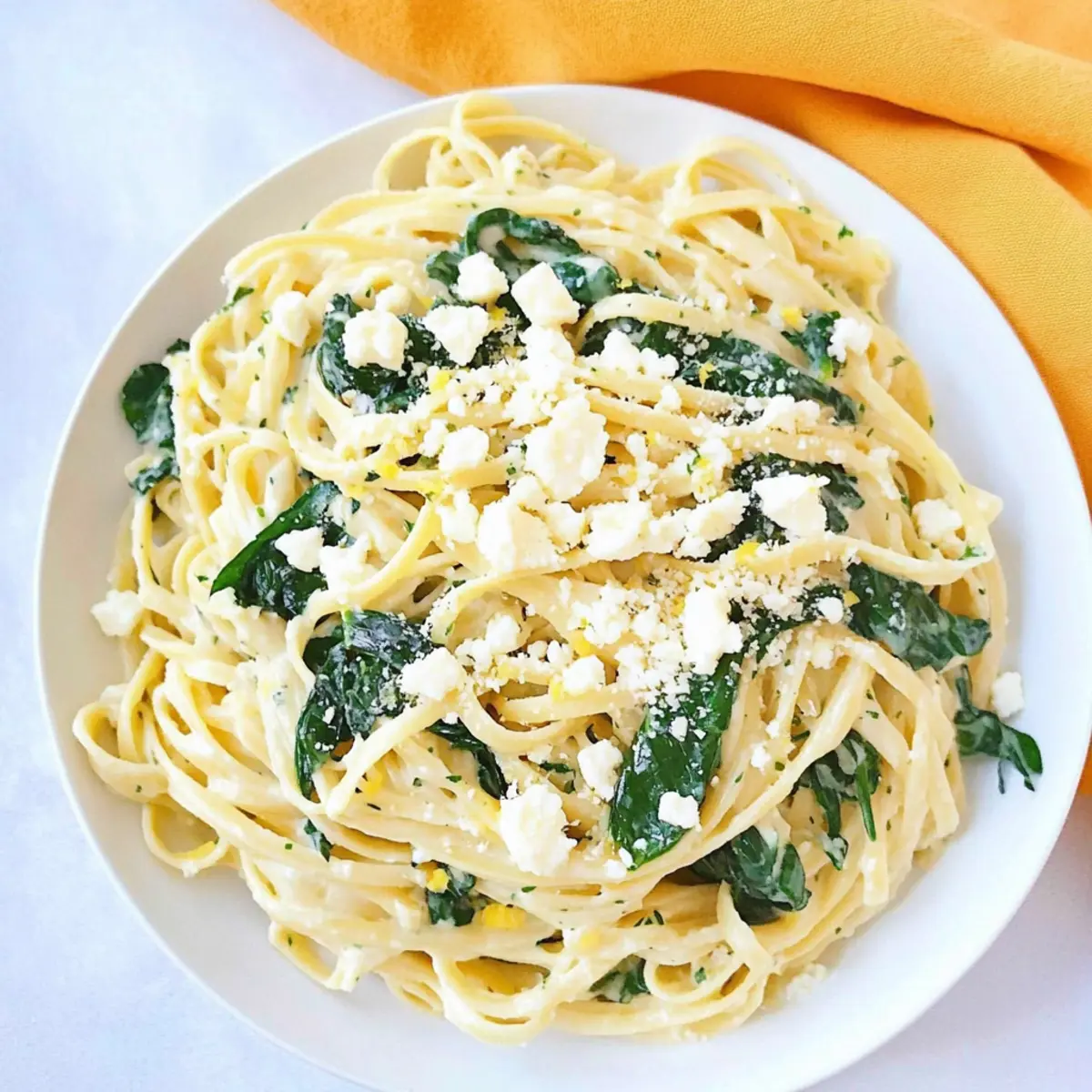
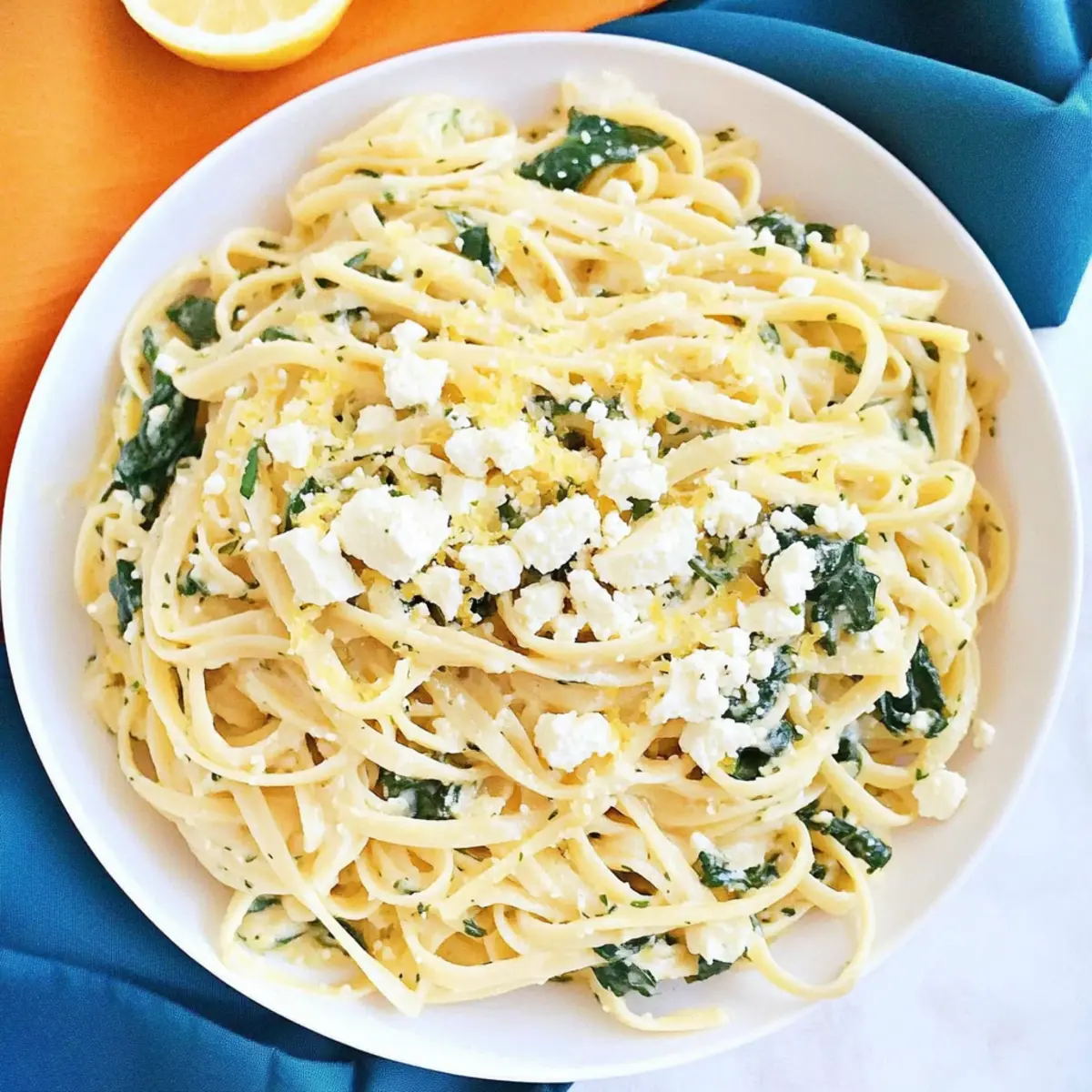
Finally, add the cooked spaghetti back into the pot with the sauce, tossing gently to combine. Top with the remaining feta and adjust seasoning with salt and pepper as needed. Serve hot, garnished with extra lemon zest or a sprinkle of fresh dill for an aromatic finish.
Storage Tips for Spanakopita Pasta
Fridge: Store leftovers in an airtight container and refrigerate for up to 3 days. This will help maintain freshness and prevent moisture loss.
Freezer: For longer storage, freeze portions in airtight containers or freezer bags for up to 2 months. Allow to cool completely before freezing to avoid ice crystals.
Reheating: Reheat gently on the stovetop over low to medium heat, adding a splash of reserved pasta water to revive the creaminess of your spanakopita pasta.
Room Temperature: Avoid leaving pasta out at room temperature for more than 2 hours to reduce the risk of spoilage and maintain food safety.
Expert Tips for Vegan Spanakopita Pasta
-
Cooking Pasta: Always salt your pasta water generously; this is crucial for flavor. Remember to stir pasta frequently to prevent it from sticking together.
-
Avoid Clumping: If your sauce gets too thick, gradually add reserved pasta water a little at a time until you reach your desired consistency. This is key for achieving that creamy feel in your spanakopita pasta.
-
Use Fresh Ingredients: Fresh garlic and lemons make a world of difference. While garlic powder can work, fresh garlic truly enhances the overall flavor of the dish.
-
Mixing Feta: For a creamier texture, try crumbling the feta directly into the hot pasta. This helps it melt slightly and distribute evenly without going mushy.
-
Herbs & Spices: If you’re a fan of herbs, feel free to add fresh parsley or basil to elevate the Mediterranean flair. Just remember to adjust the amount of dill accordingly to keep balance in flavors.
-
Storage Tips: Make sure to store leftover vegan spanakopita pasta in an airtight container in the fridge. Reheat on low, adding a splash of water to prevent drying out.
Spanakopita Pasta Variations & Substitutions
Feel free to let your culinary creativity shine by customizing this delightful dish with these easy swaps and twists!
- Gluten-Free: Use gluten-free pasta instead of spaghetti to keep the recipe friendly for those with dietary restrictions.
- Creamy & Rich: For extra creaminess, stir in a splash of coconut milk or cashew cream along with the butter for a richer texture.
- Extra Greens: Incorporate chopped kale or Swiss chard instead of spinach for a different flavor and more nutrients in each bite.
- Mediterranean Twist: Add diced sun-dried tomatoes or olives for a burst of Mediterranean goodness that brightens the whole dish.
- Spice It Up: Include crushed red pepper flakes to heat things up! Just a pinch can add a delightful kick without overpowering the delicate flavors.
- Cheesy Vegan Option: Swap traditional feta for a smoky or herbed vegan feta to deepen the savory profile, bringing new layers to every forkful.
- Nutty Flavor: Sprinkle toasted pine nuts or chopped walnuts on top just before serving for a delightful crunch and nutty flavor contrast.
- Herb Boost: Mix in freshly chopped basil or parsley for an aromatic finish that will elevate each bite and make it feel garden-fresh.
Any of these variations could make perfect accompaniments to paired recipes like my Ground Beef Pasta. Enjoy getting creative in the kitchen!
Make Ahead Options
These Vegan Spanakopita Pasta preparations are perfect for busy weeknights, allowing you to save time while still enjoying a homemade meal! You can cook the pasta and sauté the aromatics (onions and garlic) up to 24 hours in advance, then store them separately in airtight containers in the refrigerator. When you’re ready to serve, simply reheat the pasta and aromatics along with the fresh spinach, lemon zest, and seasonings for a quick finish. For optimal quality, add the feta cheese and lemon juice just before serving to ensure they remain fresh and vibrant. You’ll have a delightful, comforting dish that’s just as delicious as when freshly made!
What to Serve with Vegan Spanakopita Pasta?
Imagine gathering your loved ones around a table, sharing delicious bites and hearty laughter, all while savoring a Mediterranean feast.
-
Creamy Garlic Bread: Perfect for scooping up that luscious sauce, this warm, buttery, and garlicky bread adds a delightful crunch next to your vibrant pasta dish.
-
Roasted Cherry Tomatoes: Their sweetness and juiciness burst with flavor, making them a fresh and colorful counterpart to the savory notes of spanakopita pasta. A simple drizzle of balsamic glaze pulls it all together beautifully.
-
Greek Salad: A refreshing combination of cucumbers, tomatoes, olives, and feta complements the richness of the pasta, offering a crisp, tangy contrast that brightens your meal.
-
Lemon Herb Quinoa: This fluffy, herbed grain works wonderfully as a base for the pasta, absorbing those exquisite Mediterranean flavors while providing extra protein and texture.
-
Stuffed Grape Leaves: A traditional bite-sized option that echoes the flavors of Greece and adds a delightful twist to your meal. Serve these along with a side of tzatziki for dipping!
-
Chilled White Wine: A glass of crisp Sauvignon Blanc or a light Pinot Grigio enhances the zesty elements of your dish while refreshing your palate with each sip.
-
Baklava: End the meal on a sweet note. The honey-soaked layers of phyllo pastry and nuts provide a rich, indulgent dessert that echoes the Mediterranean theme perfectly.
Vegan Spanakopita Pasta Recipe FAQs
How do I choose the right spinach for my Vegan Spanakopita Pasta?
Absolutely! Opt for fresh baby spinach leaves, which are more tender and have a mild flavor. Look for vibrant, deep green leaves without any dark spots or wilting. If baby spinach isn’t available, you can also use mature spinach or even leafy greens like kale or Swiss chard, but be sure to chop them finely to ensure they cook down well.
What is the best way to store leftovers of Vegan Spanakopita Pasta?
After enjoying your delicious meal, let the leftovers cool completely before transferring to an airtight container. Store in the refrigerator for up to 3 days. If you want to keep it longer, you can freeze portions! Just remember to allow it to cool entirely, then freeze in airtight containers or freezer bags for up to 2 months.
Can I freeze Vegan Spanakopita Pasta? How?
Certainly! Freezing is a great option for preserving your Vegan Spanakopita Pasta. First, let the pasta cool completely at room temperature. Then, divide the pasta into single or family-sized servings, placing them in airtight containers or resealable freezer bags. Make sure to remove as much air as possible before sealing. Label the bags with the date and store them in the freezer for up to 2 months. When you’re ready to enjoy it again, simply thaw it overnight in the refrigerator and reheat gently on the stovetop!
What can I do if my sauce becomes too thick while cooking?
Very! If your sauce thickens more than you’d like, simply add a splash of the reserved pasta water, stirring until you reach your desired consistency. Start with just a couple of tablespoons and mix well; this water not only thins the sauce but also helps maintain its creaminess and adds flavor.
Is this Vegan Spanakopita Pasta suitable for those with allergies?
For sure! This recipe can be easily modified to suit various dietary needs. If you’re making it for someone with lactose intolerance or a dairy allergy, use dairy-free butter and vegan feta. Just check the labels of any products you buy to ensure they meet specific dietary requirements. Always be cautious if anyone has severe nut allergies, as some dairy-free products can contain tree nuts.
Can I customize the ingredients in my Vegan Spanakopita Pasta?
Of course! The more, the merrier! Feel free to play around with the ingredients. You can use gluten-free pasta instead of spaghetti to accommodate gluten sensitivities. Additionally, feel free to add other veggies like cherry tomatoes or bell peppers, or even toss in some sun-dried tomatoes or olives for an extra Mediterranean flair.
Savory Spanakopita Pasta: Quick Plant-Based Comfort Food
Ingredients
Equipment
Method
- Begin by bringing a large pot of salted water to a boil. Add the spaghetti and cook according to package directions, typically around 8-10 minutes, until al dente. Reserve 3 cups of the starchy pasta water, then drain the spaghetti and set it aside, keeping it warm in the pot.
- In the same pot, melt 4 tablespoons of butter (or dairy-free butter for a vegan option) over medium heat. Once melted, add the chopped yellow onion and sauté for about 2 minutes until translucent. Stir in 2 cloves of minced garlic and cook for an additional minute.
- Add the baby spinach leaves to the pot, cooking until they are wilted, about 2 minutes. Then, stir in the lemon zest, dried dill, and ground black pepper. Pour in 1 cup of the reserved pasta water along with 1 cup of crumbled feta cheese.
- Remove the pot from heat and stir in the remaining 2 tablespoons of butter and the juice of half a lemon. Mix thoroughly.
- Finally, add the cooked spaghetti back into the pot with the sauce, tossing gently to combine. Serve hot, garnished with extra lemon zest or a sprinkle of fresh dill.