
Advertisement
There’s a comforting ritual that unfolds every time I prepare a simmering pot of Classic Beef Stew. The aroma wafts through my kitchen, wrapping me in a warm embrace of savory seasoning and tender beef. This recipe not only delivers the rich flavors of hearty ingredients but also promotes a delightful sense of family togetherness, making it perfect for gatherings or cozy dinners at home. With simple preparation and the option to customize with leftover veggies, you can whip up this comforting classic any day of the week. So, are you ready to dive into a bowl of delicious nostalgia that warms both the heart and the belly? Let’s get started!
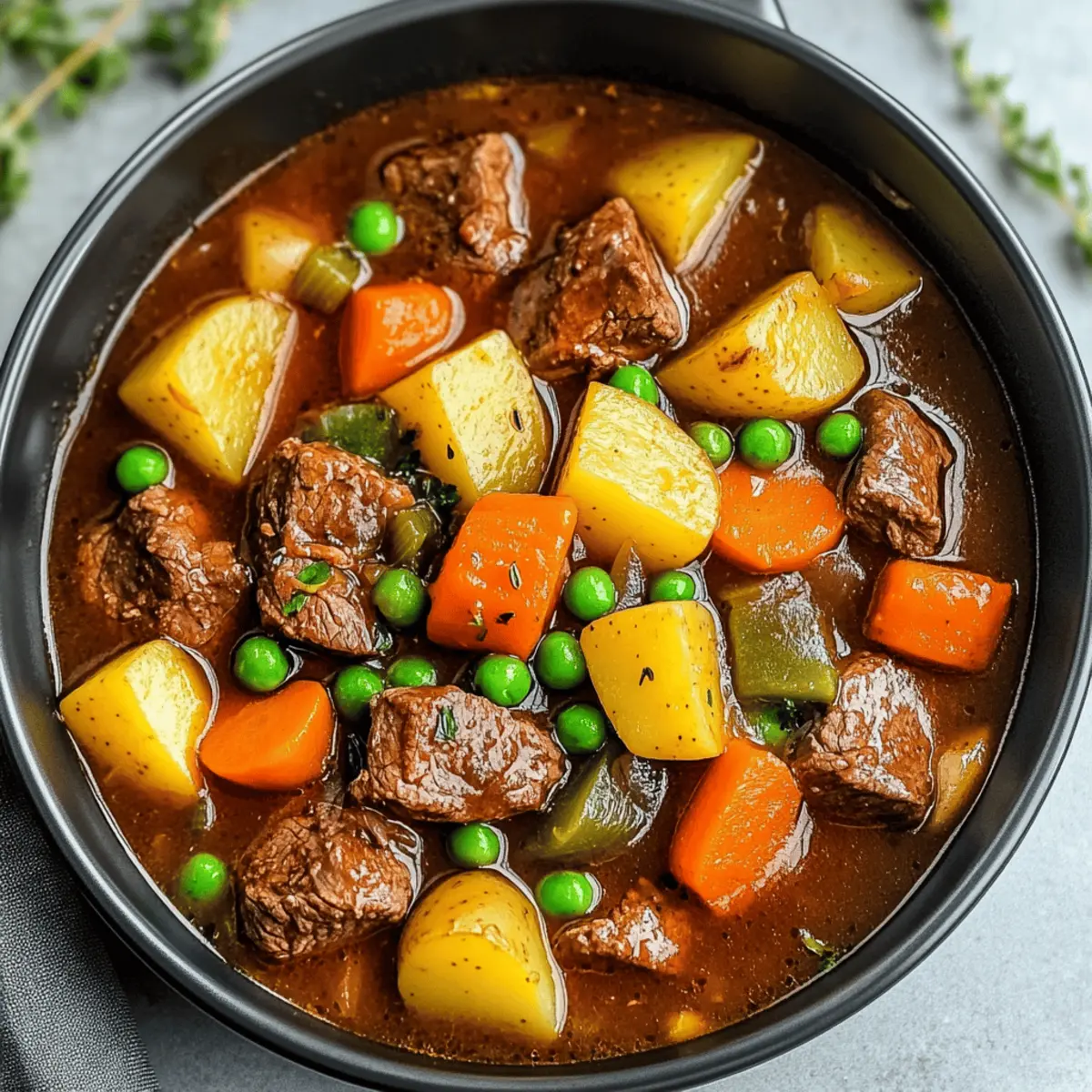
Why Is Beef Stew So Comforting?
Hearty and satisfying, beef stew is the ultimate comfort food that warms your soul on chilly nights. Rich, savory flavors develop as the beef simmers with aromatic herbs and fresh vegetables. Customizable to fit your family’s preferences, you can easily swap in leftover veggies or even different meats. Time-saving and ideal for batch cooking, this dish delivers delicious leftovers for busy days. Plus, it brings everyone together at the dinner table, making every meal a cozy gathering. Don’t forget to pair it with some crusty bread for the perfect finish!
Beef Stew Ingredients
• Essential components for a delicious stew!
Advertisement
For the Stew
- Stewing Beef – Use trimmed and cubed for tenderness and flavor.
- All-Purpose Flour – Dredges beef for enhanced texture when searing.
- Garlic Powder – Provides savory depth; substitute with fresh minced garlic for a punchy flavor.
- Salt & Black Pepper – Essential seasonings; adjust to taste with kosher salt for better control.
- Olive Oil – Perfect for browning the beef; vegetable oil can be used if desired.
- Onion – Adds sweetness and flavor; yellow onions work best for this hearty dish.
- Beef Broth – Forms the base of the stew, providing richness; consider low-sodium for less salt.
- Red Wine (optional) – Adds complexity; omit or replace with more broth if desired.
- Potatoes – Offers heartiness and natural thickening for the stew.
- Carrots & Celery – Contribute sweetness and a delightful crunch.
- Tomato Paste – Enhances richness and acidity; crushed tomatoes may be used in a pinch.
- Dried Rosemary – Imparts aromatic earthiness; use fresh for a burst of flavor.
- Cornstarch – Acts as a thickening agent; a slurry can help achieve your preferred consistency.
- Water – Mixed with cornstarch for thickening; adjust based on desired stew thickness.
- Peas – Stir in at the end for a pop of color and sweetness.
Now that you have all the ingredients ready, it’s time to start cooking your delicious beef stew that will warm everyone’s hearts and bellies!
Step‑by‑Step Instructions for Classic Hearty Beef Stew
Step 1: Prepare the Beef
In a mixing bowl, combine all-purpose flour, garlic powder, salt, and black pepper. Toss the cubes of stewing beef in the flour mixture until evenly coated. This helps to enhance the flavor and texture. Set aside while you heat the oil, as the flour will create a delicious crust on the beef once seared.
Step 2: Brown the Beef
Heat 2 tablespoons of olive oil in a Dutch oven over medium-high heat until shimmering. Add the beef in batches, ensuring not to overcrowd the pot, and brown it for 3-4 minutes on all sides until golden brown. This step builds the stew’s rich flavor. Once browned, remove the beef and set it aside in a bowl.
Step 3: Sauté the Onions
In the same pot, add the chopped onion and sauté for about 3 minutes or until it becomes soft and translucent. Stir frequently, allowing the onion to absorb the leftover flavors in the pan from the beef. This will add an extra depth to your Classic Beef Stew that you won’t want to miss.
Step 4: Deglaze the Pot
Once the onions are softened, pour in 2 cups of beef broth and the optional red wine. Use a wooden spoon to scrape any browned bits sticking to the bottom of the pot. This process adds incredible flavor to your stew. Bring the mixture to a gentle simmer, allowing the alcohol to evaporate and the broth to meld with the onions.
Step 5: Add Ingredients
Return the browned beef to the pot along with chopped potatoes, carrots, and celery. Stir in tomato paste, along with the dried rosemary. Cover the pot and let the stew simmer for 1 to 1.5 hours over low heat until the beef is tender and the vegetables are cooked through. Stir occasionally and enjoy the comforting aroma filling your kitchen.
Step 6: Thicken the Stew
To achieve your desired consistency, mix cornstarch with a little cold water to create a slurry. Gradually add this to the stew while stirring constantly. Allow the mixture to simmer for an additional 5-10 minutes until it thickens. This step ensures your Classic Beef Stew is luxuriously rich and satisfying.
Step 7: Add Final Touches
Stir in the frozen peas and cook for another 5 minutes, just until they are heated through and vibrant. Taste and adjust seasoning if needed, with more salt or pepper as preferred. This last step adds a pop of color and sweet flavor to your hearty stew, making it even more enjoyable.
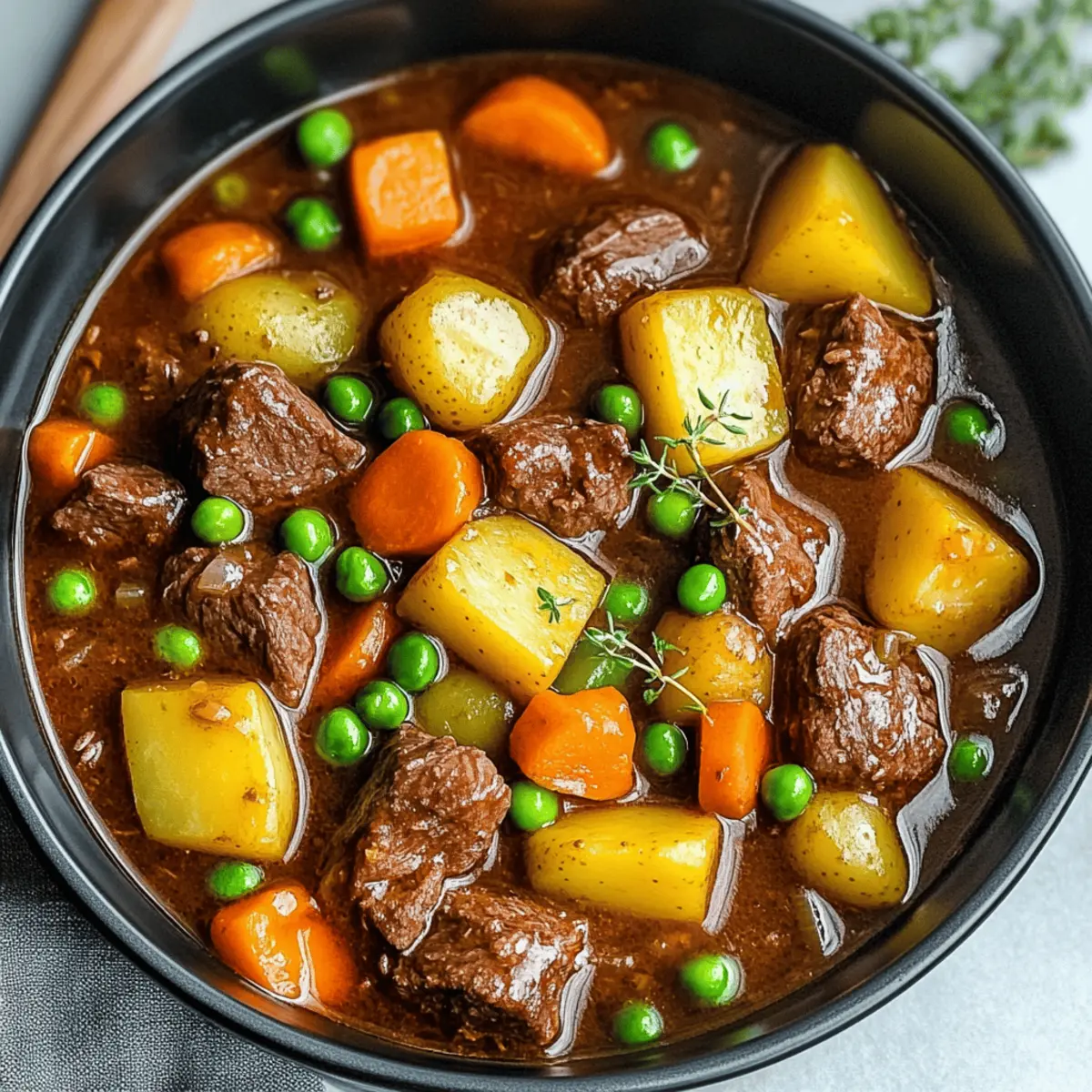
Beef Stew Variations & Substitutions
Customize your beef stew to suit your family’s tastes and dietary needs with these fun and easy variations!
-
Different Meat: Swap out the stewing beef for chuck roast or tender pork for a unique twist on flavor. Each meat offers its own deliciously rich taste that can elevate your stew.
-
Vegetable Medley: Feel free to toss in leftover vegetables such as parsnips, green beans, or even mushrooms. This is a great way to use up what you have in your fridge and make the dish even heartier.
-
Spicy Kick: For those who love a bit of heat, add a dash of cayenne pepper or red pepper flakes. You can also introduce fresh herbs like thyme or oregano for a fragrant twist that awakens the senses.
-
Dairy-Free: Substitute the beef broth with a homemade vegetable broth to create a dairy-free version that still packs a punch of flavor. Pair this with coconut milk for a creamy depth without the dairy.
-
Gluten-Free: Use cornstarch instead of all-purpose flour for dredging the beef. This keeps your stew gluten-free while maintaining that delightful thick consistency.
-
Herb Boost: Fresh rosemary can heighten the stew’s aroma and flavor. Consider tossing in fresh parsley at the end for a hint of freshness.
-
Tomato Alternatives: If you’re not a fan of tomato paste, crushed tomatoes can serve as a great substitute for similar richness. For an entirely different flavor profile, you might even try beer instead of tomato products.
-
Slow Cooker Option: For a hands-off approach, use your slow cooker! Set it on low for 6-8 hours after browning the beef and sautéing the onions. This method wonderfully melds all the flavors together.
Looking for more comforting flavors? Don’t forget to explore these cozy dishes, like my Fashioned Beef Stew or gather around with some Mongolian Beef Noodles for a delightful twist on a classic meal!
How to Store and Freeze Beef Stew
Fridge: Store beef stew in an airtight container for up to 3 days, ensuring it’s cooled completely before sealing. This keeps flavors intact and prevents spoilage.
Freezer: For long-term storage, freeze beef stew in single-serving portions using freezer-safe bags or containers. It can be kept for up to 3 months to enjoy later.
Reheating: Thaw in the refrigerator overnight for best results. Reheat in a saucepan over medium heat or in the microwave, stirring occasionally, until heated through.
Leftovers: Feel free to add any leftover vegetables to the stew before reheating, enhancing both flavor and nutrition.
What to Serve with Classic Hearty Beef Stew?
Serving a comforting meal around the dinner table can transform a simple evening into a cherished memory filled with warmth and laughter.
- Crusty Bread: Perfect for sopping up the rich broth, fresh bread adds a delightful crunch and texture that complements the stew beautifully.
- Garlic Mashed Potatoes: Creamy and buttery, these mashed potatoes bring a luxurious texture that pairs perfectly with the hearty stew.
- Green Salad: A crisp salad with fresh greens and a zesty vinaigrette provides a refreshing contrast to the warm, savory stew.
- Roasted Vegetables: Charred and caramelized, roasted seasonal veggies enhance the meal with deep, roasted flavors and vibrant colors.
- Homemade Biscuits: Flaky and buttery biscuits offer an irresistible option for soaking up every drop of the flavorful broth.
- Red Wine: A glass of full-bodied red wine complements the stew’s rich flavors, enhancing the overall dining experience.
- Steamed Green Beans: Tender and bright green, they add a lovely pop of color and slight crunch, balancing the tender textures of the stew.
- Fruit Crisp: Finish the meal on a sweet note with a warm fruit crisp, offering a cozy dessert that pairs well with a scoop of vanilla ice cream.
Make Ahead Options
These Classic Beef Stew ingredients are perfect for meal prep enthusiasts! You can prepare the beef and vegetable components (cubed beef, chopped potatoes, carrots, and celery) up to 24 hours in advance; simply store them in an airtight container in the refrigerator to maintain their freshness. Season the beef and toss in flour right before browning to prevent moisture loss. When you’re ready to serve the stew, simply follow the cooking steps from browning to simmering—this allows the flavors to meld beautifully, ensuring your beef stew is just as delicious as when made fresh. So embrace the ease of meal prep and enjoy a cozy bowl of wonderful beef stew with minimal effort on busy nights!
Tips for the Best Beef Stew
-
Sear the Beef: Ensure your beef is browned well for depth of flavor; avoid overcrowding the pot during this crucial step.
-
Simmer Gently: Allow the beef to simmer low and slow; if it’s not tender after an hour, continue cooking to reach that perfect texture.
-
Thickening Agent: Whisk cornstarch well with water before adding it to the stew; also let it boil for a few minutes to eliminate any starchy taste.
-
Adjust Seasoning: Always taste and adjust salt and pepper before serving your beef stew; everyone’s palate is different!
-
Add Veggies Creatively: Experiment with different vegetables based on what’s in season or leftovers you have; it enhances the stew’s flavor and makes it even more family-friendly.
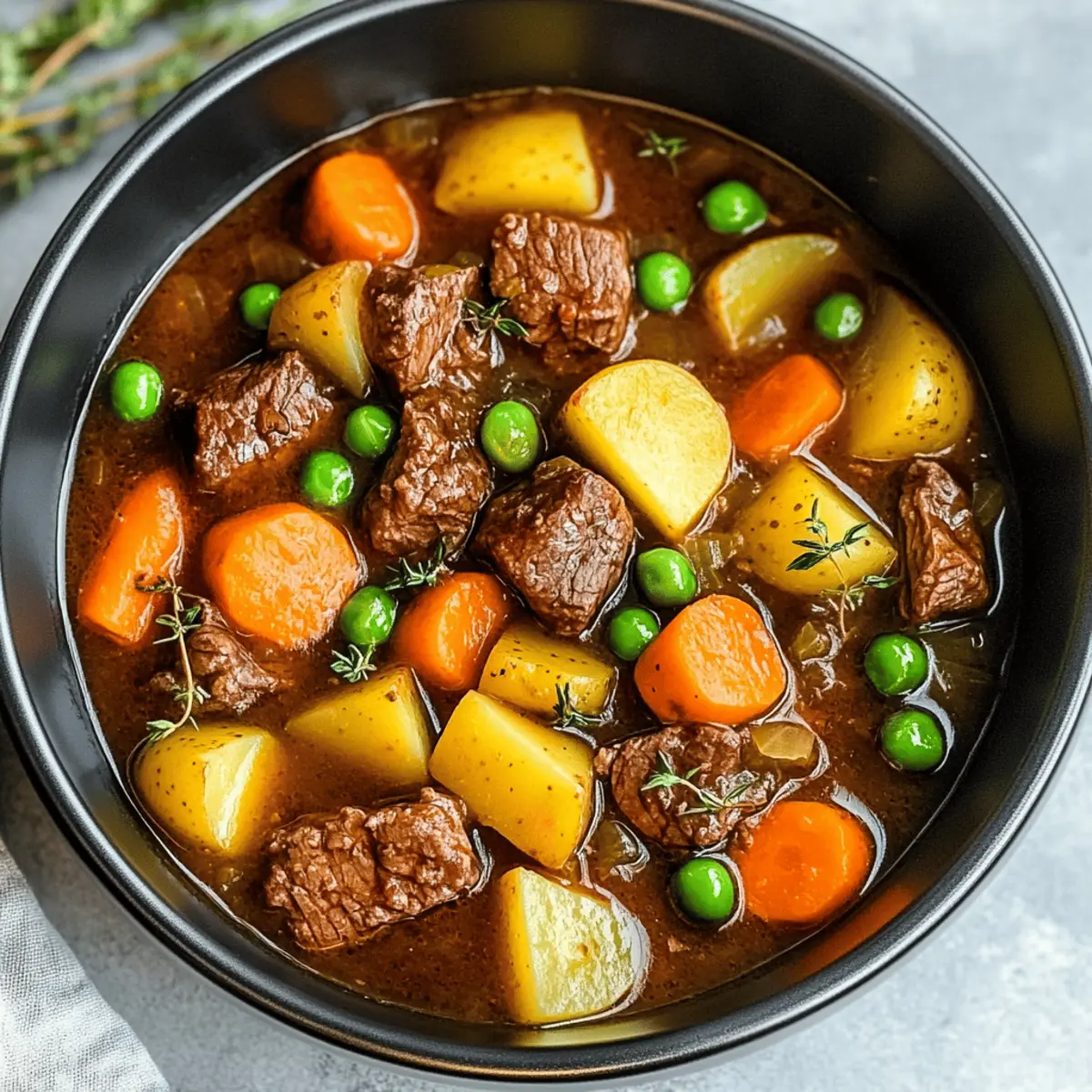
Classic Hearty Beef Stew Recipe FAQs
How do I choose the best stewing beef?
Absolutely! When selecting stewing beef, look for cuts like chuck roast or round that have some marbling. This fat content ensures tenderness when slow-cooked. The meat should be deep red and firm to the touch—avoid any pieces with dark spots or excessive liquid, as these can indicate spoilage.
How should I store leftover beef stew?
For sure! Store leftover beef stew in an airtight container in the refrigerator for up to 3 days. Ensure that it’s completely cooled before sealing. If you want to keep it longer, you can freeze it. Just pour the stew into freezer-safe containers, leaving some space at the top for expansion, and it will last for up to 3 months.
Can I freeze beef stew, and if so, how?
Very much so! To freeze beef stew, let it cool completely, then transfer it into freezer-safe bags or containers. For easier thawing, portion out servings in individual bags. Seal carefully, removing as much air as possible to prevent freezer burn. When you’re ready to enjoy it, thaw overnight in the fridge, and reheat on the stove or in the microwave until warmed through.
What should I do if my beef is tough after cooking?
Don’t worry! If your beef isn’t tender after the recommended cooking time, simply continue to simmer it on low heat. Check every 15 minutes or so until it reaches your desired tenderness. Sometimes, especially with larger cuts, it may need a bit more time to break down the fibers. Adding a splash more broth or water can help create steam and speed up the tenderizing process.
Are there any allergy considerations with beef stew?
Absolutely important! If you’re cooking for someone with allergies, be cautious with ingredients. The classic beef stew contains gluten from flour, so you might want to use gluten-free flour or a cornstarch slurry instead. Also, check your beef broth for allergens and opt for options that cater to dietary restrictions, like low-sodium versions or those marked gluten-free if necessary.
Is beef stew a dog-friendly meal?
Very much so! If you want to share your beef stew with your furry friend, first ensure that it’s free from onions, garlic, and excessive seasoning. You can set aside some plain, cooked beef and vegetables before you season your stew. Always consult your vet to ensure it’s suitable for your dog’s diet.
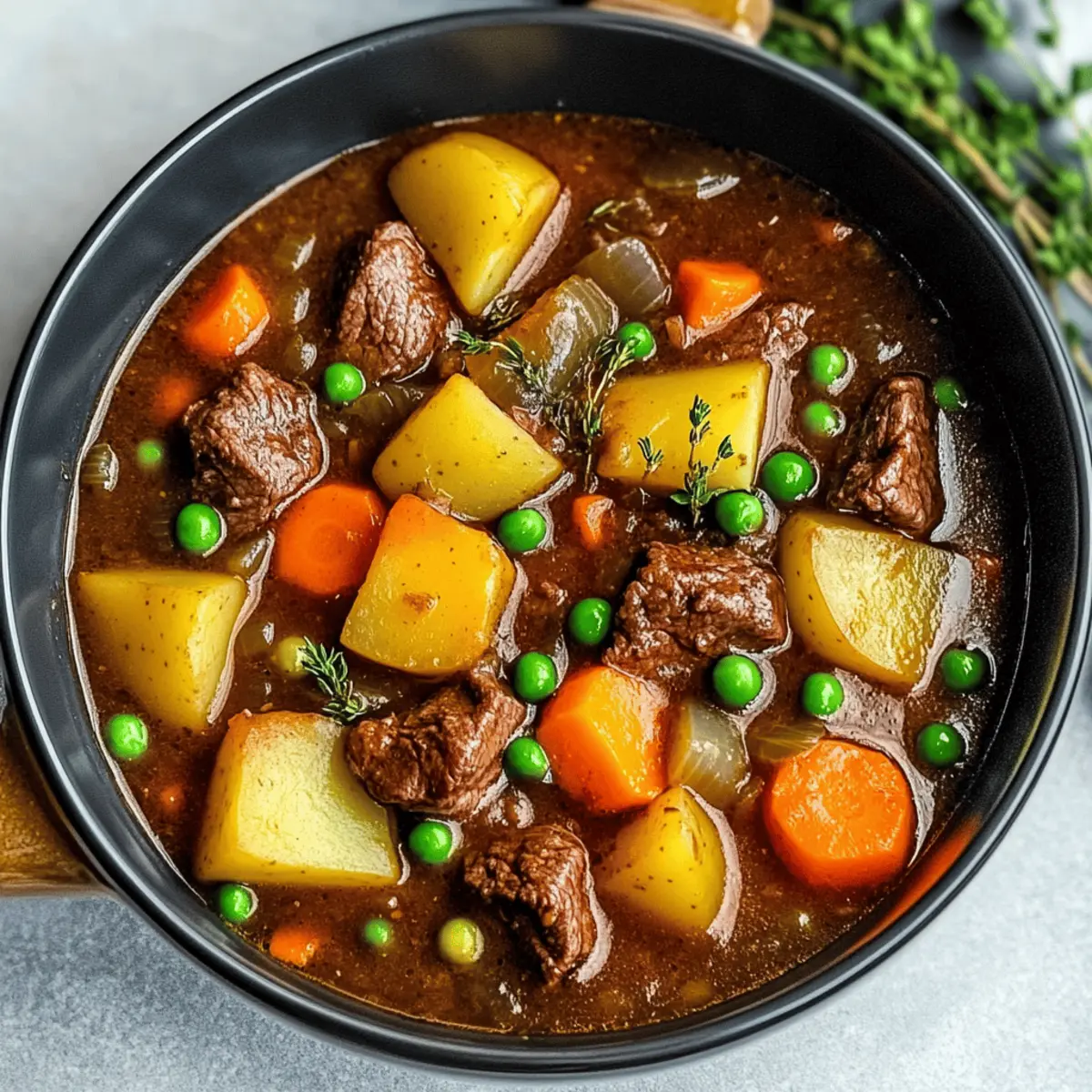
Savory Beef Stew That Warms Your Heart and Soul
Ingredients
Equipment
Method
- Combine all-purpose flour, garlic powder, salt, and black pepper in a mixing bowl. Toss stewing beef cubes in the mixture.
- Heat olive oil in a Dutch oven over medium-high heat. Brown the beef in batches for 3-4 minutes.
- Sauté chopped onion in the same pot for about 3 minutes until soft and translucent.
- Deglaze the pot with beef broth and optional red wine, scraping any browned bits.
- Return the browned beef, add chopped potatoes, carrots, celery, tomato paste, and dried rosemary. Cover and simmer for 1 to 1.5 hours.
- Mix cornstarch with cold water to create a slurry. Gradually add to the stew while stirring. Simmer until thickened for 5-10 minutes.
- Stir in frozen peas and cook for another 5 minutes until heated through. Adjust seasoning if necessary.